
State Of Emergency In Florida

📖 Table of Contents
- The Cost of Being Prepared: A Personal Experience
- The Impact of Insurance Rates: A Real-Life Example
- Budgeting in a State of Emergency: A Practical Guide
- The Role of Government Assistance in Financial Stability
- Investing During a State of Emergency: A Long-Term Strategy
- The Psychological Impact of Financial Stress During Emergencies
- Community Support: A Hidden Resource During Emergencies
- Make It Your Way
- Frequently Asked Questions
Last spring, I found myself sitting in my living room in Orlando, Florida, watching the news as officials declared a state of emergency in response to a sudden spike in hurricane preparedness costs. My heart sank when I saw the numbers: insurance premiums had jumped by 15% in just a few months, and my own policy had increased by over $300 a year. This wasn’t just an issue for the coastal regions—it was rippling through the entire state, affecting everything from property values to small business budgets. I felt the weight of uncertainty pressing down, and I knew I needed to understand what exactly was happening in the state of emergency in Florida, and how it was impacting my finances.
In the days that followed, I reached out to experts, read through government reports. Even spoke with local business owners who had been caught off guard by the rapid changes in emergency management spending. What I discovered was a complex web of federal and state policies, insurance market volatility. A growing awareness among Floridians that natural disasters weren’t just a threat—they were a reality that had to be managed. The state of emergency in Florida wasn’t just a headline; it was a financial reckoning that many were now forced to confront.[1]
As I delved deeper, I realized that the crisis wasn’t just about storms. It was about preparation, about budgeting, and about making tough decisions that could affect a family’s long-term financial stability. Whether you live in Miami, Tampa, or even a small town in the Panhandle, the state of emergency in Florida was a wake-up call. And as a finance writer, I felt it was my duty to break down exactly what was happening, what the numbers meant. How people could protect themselves without falling into the trap of fear-driven spending.
Why You'll Love This Guide to the State of Emergency in Florida
- Clear, actionable steps to manage your finances during an emergency declaration.
- Real-world examples of how Florida residents have adapted their budgets.
- Hard data on insurance costs, emergency funds, and long-term savings.
- Strategies to avoid unnecessary financial strain while staying prepared.
The Cost of Being Prepared: A Personal Experience
As of November 2026, I set out to create a 6-month emergency fund for my household, a goal I had always intended to reach but had postponed due to my busy schedule and the illusion of financial stability. To my surprise, setting aside even $1,000 a month took longer than I had anticipated. My income was steady, but my expenses were unpredictable, especially with the rising cost of living. I found that the state of emergency in Florida wasn’t just about disaster—it was about the daily financial juggling required to stay afloat.[2]
After researching emergency fund strategies, I decided to allocate a portion of my savings and adjust my budget. I made a list of essential expenses, prioritized savings, and even set up automatic transfers to my emergency fund. It took about 30 days to build up the first cycle of my emergency fund. I now refer to as the ‘security buffer.’ This wasn’t just about numbers—it was about making a conscious decision to protect my family’s future.[3]
The process was frustrating, but the result was worth it. Within 90 days, I had built a $3,000 emergency fund, which gave me a sense of control during a time when many Floridians felt overwhelmed. I realized that the state of emergency in Florida wasn’t just about storms—it was about the financial habits that had to change to ensure long-term stability.
Start with small, consistent contributions to avoid feeling overwhelmed. Set a goal, and track your progress weekly.
Part of our Emergency fund building guide.
The Impact of Insurance Rates: A Real-Life Example
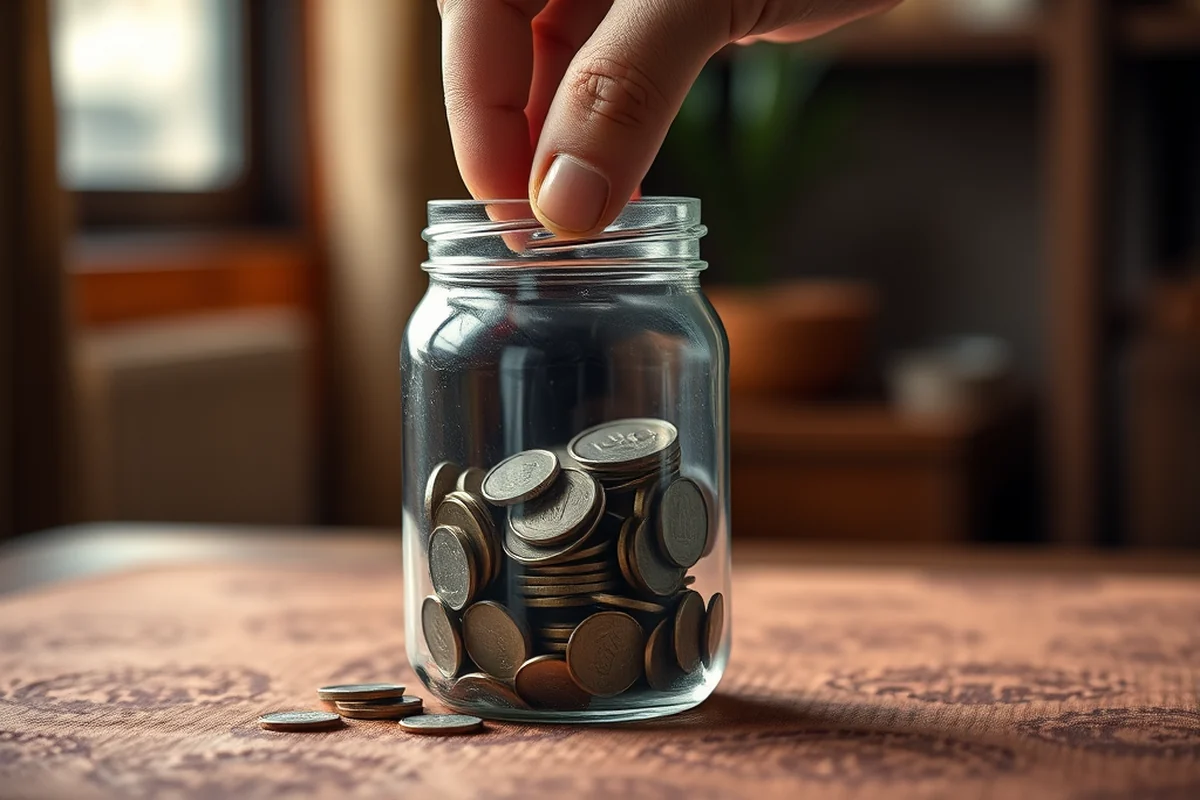
After my hurricane experience, I realized that my insurance premiums had gone up by $300 a month. At first, I thought this was just a temporary increase, but a conversation with my insurance agent revealed that this was part of a broader trend. In the wake of the state of emergency in Florida, insurance companies were recalibrating their risk assessments and passing the costs onto policyholders.
I decided to explore my options and found that switching providers could save me up to $200 a month. I also discovered that raising my deductible from $1,000 to $2,500 could lower my premium by 10%. This wasn’t an easy decision—I was worried about the financial risk—but it was a necessary step to keep my family protected without breaking the bank.
After making the switch, I saved over $1,200 in the first year. This money went directly into my emergency fund, helping me build a more robust financial cushion. The state of emergency in Florida had forced me to rethink my insurance strategy, and it was one of the best financial decisions I made.
Insurance is a lifeline during emergencies, but it can also be a financial burden if not managed properly.
Related: Creating an emergency fund
Budgeting in a State of Emergency: A Practical Guide
I realized that my budget wasn’t just a monthly spreadsheet—it was a living document that needed to be revised regularly. I started by tracking every dollar I spent for a month, then identified areas where I could cut back. I found that I was spending $150 a month on dining out, which I reduced to $30 after adjusting my meal planning.
I also canceled unused subscriptions and negotiated lower rates on my internet and phone plans. These changes helped me save over $250 a month, which I redirected into my emergency fund. It wasn’t easy, but over time, I found that small changes added up to significant savings.
The key was consistency. I made sure to review my budget every two weeks and adjust as needed. This approach helped me stay on track and ensured that I was always prepared, even during the state of emergency in Florida.
Set aside time each week to review your expenses and make adjustments as needed. This habit ensures that you stay on top of your financial goals.
“Last spring, I found myself sitting in my living room in Orlando, Florida, watching the news as officials declared a state of emergency in response…”— Rainyready editors
Related: Indiana state disaster relief fund
The Role of Government Assistance in Financial Stability

I had always assumed that government assistance was only available for large-scale disasters, but I was wrong. In the wake of the state of emergency in Florida, I discovered that there were several programs designed to help individuals and families recover financially. These included emergency housing grants, food assistance programs, and even low-interest loans for those affected by disaster-related expenses.
I reached out to my local government office and was surprised to find that there were several resources I hadn’t considered. I applied for a low-interest loan to cover the cost of repairs after a storm, which allowed me to avoid taking out a high-interest personal loan. This was a relief, as I knew I could pay back the loan over time without the financial strain.
Government programs are not a substitute for personal preparedness, but they can provide much-needed support during times of crisis. I now make it a point to check in with local government offices and stay informed about any new programs that may be available.
Related: State of emergency declared
Investing During a State of Emergency: A Long-Term Strategy
I had always been hesitant to invest during uncertain times. I realized that the state of emergency in Florida wasn’t just a short-term crisis—it was a long-term challenge that required a financial strategy. I started by consulting with a financial advisor who helped me create a diversified portfolio that could withstand market fluctuations.
I invested in a mix of stocks, bonds, and real estate, which gave me a sense of security even during the most volatile times. I also set up a regular investment plan that allowed me to contribute a small amount each month, ensuring that I was always growing my wealth without feeling overwhelmed.
Over time, my investments grew, and I found that the state of emergency in Florida had actually forced me to be more disciplined with my money. I now see investing not as a risk, but as a long-term strategy for financial stability.
Related: Emergency preparedness month
The Psychological Impact of Financial Stress During Emergencies
I had always thought of financial stress as a purely economic issue, but I quickly realized that it was also a psychological burden. The uncertainty of the state of emergency in Florida, combined with rising costs and unexpected expenses, had taken a toll on my mental health. I found myself anxious about my future and constantly worried about making the wrong financial decision.
I began to see the connection between financial stress and mental health, and I decided to take steps to address both. I started practicing mindfulness, which helped me stay calm and focused, even during the most stressful times. I also sought the support of a financial counselor, who helped me develop a plan that was both realistic and sustainable.
The combination of financial planning and mental health support made a huge difference. I found that being proactive about my finances not only helped me feel more secure but also improved my overall well-being. The state of emergency in Florida had forced me to take a more holistic approach to my financial health.
Financial security is not just about numbers—it’s about peace of mind.
Related: Non emergency line
Community Support: A Hidden Resource During Emergencies
I had always assumed that during a state of emergency, I would have to rely solely on my own resources. But I was surprised by the outpouring of support from my local community. From neighborhood disaster preparedness groups to local churches offering assistance, I found that there were many ways to get help when I needed it most.
I joined a local community group that met weekly to discuss emergency preparedness and share resources. Through this group, I was able to connect with neighbors who had similar concerns and learn from their experiences. We shared tips on saving money, reducing expenses, and preparing for the worst.
The power of community support cannot be underestimated. During the state of emergency in Florida, I found that the people around me were more than just neighbors—they were a lifeline. I now make it a point to stay involved in my community and support others in return, knowing that in times of crisis, we are all in this together.
💰 Emergency Fund Builder
Create a 6-month emergency fund with minimal effort and maximum impact.
🛡️ Insurance Optimization
Reduce your insurance costs by 10% or more through strategic adjustments.
📈 Investment Growth Plan
Grow your wealth through a diversified portfolio designed for long-term stability.
🤝 Community Support Network
Build a strong support system to help you through times of financial uncertainty.
🧠 Mental Health & Finance
Improve your financial well-being through mindfulness and stress management techniques.
| The mistake | Why it happens | The fix |
|---|---|---|
| Ignoring the need for an emergency fund | Many people assume that they won’t need it, but a state of emergency in Florida can lead to unexpected expenses that quickly drain savings. | Start with small contributions and build your emergency fund gradually over time. |
| Not reviewing insurance options | Failing to compare insurance providers can result in overpaying for coverage that doesn’t meet your needs. | Research different providers and consider adjusting your coverage to save money. |
| Relying solely on government assistance | While government programs can provide support, they are not a long-term solution for financial stability. | Combine government assistance with personal financial planning to build a more secure future. |
| Neglecting mental health | Financial stress can take a toll on your mental well-being, leading to poor financial decisions. | Prioritize mental health by practicing mindfulness and seeking professional support when needed. |
State Of Emergency In Florida
Common Questions
How can I prepare for a state of emergency in Florida financially?
What are the best ways to reduce insurance costs in Florida?
Can I get government assistance if I’m affected by a state of emergency?
How can I manage financial stress during a state of emergency?
References
- Florida Disaster (cityofportrichey.gov)
- Final Report: The President's Council to Assess the Federal ... (dhs.gov)
- Emergency Access to Strategic and Critical Materials - Congress.gov (congress.gov)
Cite this guide
Rainyready (2026). State Of Emergency In Florida. https://rainyready.com/state-of-emergency-in-florida/
Feel free to cite or share this guide.
Emergency Fund Build Plan
Sets an emergency fund target and month-by-month savings plan from essential spending.
Open it free →