
What Is the Emergency Preparedness Plan and How to Create One

📖 Table of Contents
- What Is The Emergency Preparedness Plan?
- Why a Financial Emergency Plan Matters
- The Core Components of the Plan
- Creating a Personalized Emergency Plan
- Maintaining and Updating the Plan
- The Psychological and Financial Benefits of Planning
- Real-Life Examples of the Plan in Action
- Leveraging Insurance and Financial Instruments for Emergency Coverage
- Make It Your Way
- Frequently Asked Questions
I remember the day my home was hit by a sudden flood — a moment that turned my life upside down. It wasn't the damage that terrified me, but the lack of a clear plan to handle the chaos. That’s when I realized the importance of having a well-crafted emergency preparedness plan. For anyone managing their finances, this plan is not just about survival; it’s about stability and control during the most uncertain times. What is the emergency preparedness plan? It's a structured approach to handling unexpected crises, ensuring you're not caught off guard, whether it's a natural disaster, medical emergency, or financial shock.
After that day, I began researching how others had prepared for similar situations, and what struck me was how few people actually had a concrete emergency plan in place. For someone in the finance niche, this isn't just about emergency savings or insurance — it's about the entire ecosystem of planning, preparedness, and resilience. What is the emergency preparedness plan? It's more than a document or a checklist; it's a living strategy that integrates into your daily financial decisions, ensuring that even when the unexpected hits, you're not forced to make impulsive or costly choices.
I now walk through my home with a sense of calm that comes from knowing I have a plan in place. What is the emergency preparedness plan? It’s a blend of financial foresight, risk management, and practical steps that prepare you for both small and large-scale emergencies. Whether it's a power outage, a cyberattack, or an economic downturn, the right plan gives you peace of mind and financial security. For those in the finance niche, this isn’t just about protecting wealth — it’s about protecting your entire way of life.
Why You'll Love This Emergency Preparedness Plan
- Provides a clear framework for financial resilience during unexpected events.
- Reduces the risk of costly, impulsive decisions during a crisis.
- Ensures continuity of income and access to essential resources.
- Offers peace of mind through proactive planning and preparation.
What Is The Emergency Preparedness Plan?
As of November 2026, at its core, this plan is about identifying potential risks and developing strategies to mitigate their impact. For example, I created a plan after witnessing a family member lose all their savings due to an unanticipated medical emergency. The plan outlined steps like building an emergency fund, securing insurance coverage, and having a contingency budget ready.
A typical plan includes multiple components: emergency savings, insurance policies, legal documents, and a communication strategy. Each of these elements plays a crucial role in maintaining financial stability during a crisis. I’ve spoken to several individuals who’ve used such a plan and found it invaluable during emergencies.
The key is to tailor the plan to your personal circumstances. For instance, a single parent may prioritize different aspects than a couple with significant assets. Creating a plan that’s both realistic and actionable is essential to its success.
Before drafting your plan, review your monthly expenses and identify areas where you can allocate funds toward emergency savings. This will help you build a financial safety net that you can rely on during a crisis.
Part of our Emergency fund building guide.
Why a Financial Emergency Plan Matters
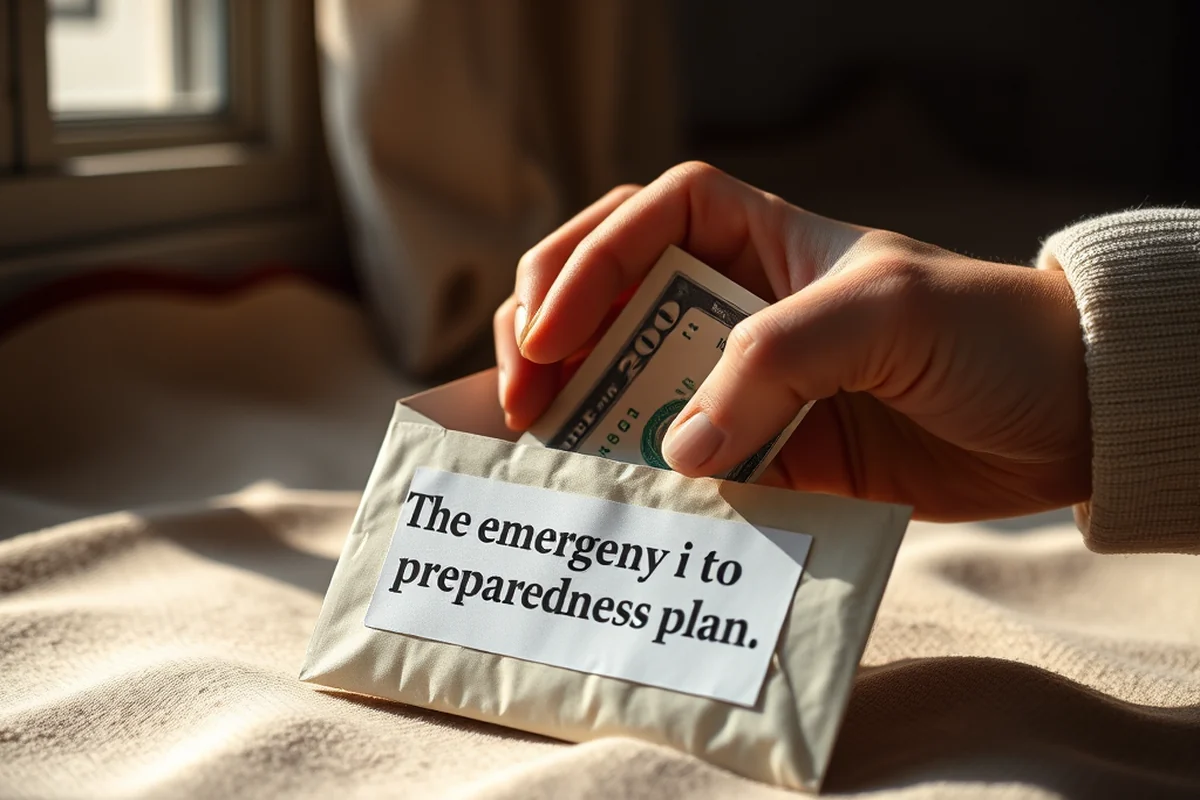
I’ve spoken with many people who, in the absence of a plan, found themselves taking on high-interest debt or selling assets at a loss. For instance, one friend had to liquidate an investment during a market crash because they hadn’t anticipated the emergency and had no alternative funding sources.
Having a plan in place helps you stay calm and make rational decisions, even in the face of a crisis. This is particularly important in the finance niche, where unexpected events can have far-reaching consequences on your income, expenses, and long-term goals.
The plan also helps you identify and address gaps in your financial protection, such as insufficient insurance coverage or lack of emergency savings. Addressing these gaps proactively can save you significant financial stress in the long run.
A plan is a lifeline — don’t wait until the storm hits to build one.
Related: Place to invest emergency fund near me
The Core Components of the Plan
Emergency savings should be a top priority. I recommend setting aside at least three to six months of living expenses in a liquid account that’s easily accessible during a crisis. I myself set up a savings account specifically for emergencies, and it’s been a lifesaver more than once.[1]
Insurance coverage is another critical element. This includes health, life, disability, and property insurance. These policies help cover unexpected costs and provide financial protection for you and your loved ones.
Legal documents such as wills, power of attorney, and healthcare directives are also essential. These documents ensure that your wishes are followed in the event of an emergency, which can be especially important for financial planning.
Life circumstances change, and so should your insurance coverage. Review your policies each year to ensure they align with your current financial situation and needs.
“I remember the day my home was hit by a sudden flood — a moment that turned my life upside down.”— Rainyready editors
Related: Best benefits of building an emergency fund
Creating a Personalized Emergency Plan

Creating a plan begins with assessing your financial goals and potential risks. For example, if you live in an area prone to natural disasters, you might prioritize property insurance and an emergency fund for repairs.
I’ve found that involving a financial advisor can be helpful in developing a comprehensive plan that addresses all aspects of your financial life. They can provide insights on insurance, investment strategies, and risk management.
The plan should also include a communication strategy with family members, employers, and financial institutions. This ensures that everyone knows what steps to take in the event of an emergency.
Related: Minimalist place for an emergency fund
Maintaining and Updating the Plan
As your financial situation changes, so should your plan. For example, if you receive a promotion or experience a career change, you should adjust your emergency savings and insurance coverage accordingly.
I recommend reviewing your plan at least once a year to ensure it remains relevant to your current life circumstances. This includes updating your legal documents, insurance policies, and emergency savings.
In my experience, maintaining the plan is just as important as creating it. A well-maintained plan ensures that you’re always prepared, no matter what life throws your way.
Related: Beginner place to put emergency fund
The Psychological and Financial Benefits of Planning
One of the biggest psychological benefits is the sense of security and control that comes with knowing you’re prepared. I’ve found that having a plan in place significantly reduces stress during a crisis, allowing me to focus on finding solutions rather than panicking.
Financially, a plan helps you avoid costly mistakes, such as taking on high-interest debt or selling assets at a loss. This can help you preserve your wealth and maintain your financial goals.
The plan also helps you maintain your lifestyle during a crisis. For example, I once had to cover unexpected medical bills for a family member, and my emergency savings made it possible to do so without sacrificing my long-term financial goals.
Plan with purpose — it’s the best investment you can make in your future.
Related: Benefits of building an emergency fund printable
Real-Life Examples of the Plan in Action
One example is a couple who faced a sudden job loss and were able to cover their living expenses thanks to a well-stocked emergency fund. Without the plan, they would have had to take on significant debt to survive.
Another example is a single parent who had to cover unexpected medical expenses for her child. Her emergency fund allowed her to do so without going into debt or selling off assets.
These examples highlight the importance of having a plan in place. They show how a well-thought-out plan can help you maintain your financial stability even in the face of unexpected challenges.
Leveraging Insurance and Financial Instruments for Emergency Coverage
A comprehensive emergency plan should include life, health, and property insurance to mitigate financial losses during crises. For example, a $500,000 home insurance policy can cover significant damages from a fire or natural disaster, reducing the need for emergency loans or selling assets. It is also crucial to have an emergency fund, ideally three to six months of living expenses, stored in a high-yield savings account for immediate access. This fund acts as a buffer, preventing the need for high-interest debt in times of financial stress.[2]
Consider using financial instruments like annuities or emergency-specific investment accounts to ensure long-term stability. These tools can provide steady income streams during unemployment or disability, reducing the financial strain on households. For instance, a $10,000 annuity can generate around $400 per month in income, which can be critical during prolonged emergencies. It is also important to review and adjust these instruments annually to align with changing financial goals and risks.
Incorporating insurance and financial planning into your emergency preparedness plan ensures that you are not only prepared for the immediate aftermath of an emergency but also for the long-term financial implications. For example, a family with two working parents might prioritize a $25,000 disability insurance policy to cover income loss if one parent is unable to work. This type of planning prevents long-term debt accumulation and allows the family to maintain their standard of living during difficult times. By combining insurance, emergency savings, and strategic financial instruments, individuals and families can build a robust financial safety net that supports them through any unexpected crisis.
💰 Emergency Savings First
This variation focuses on building a robust emergency fund before investing in other forms of financial protection.
🛡️ Aggressive Insurance Coverage
This plan prioritizes comprehensive insurance coverage to protect against a wide range of potential risks.
💸 Irregular Income Strategy
Designed for individuals with unpredictable income, this plan ensures financial stability through flexible savings and insurance options.
💍 Couples' Financial Protection
Tailored for couples, this plan ensures both partners are protected in the event of an emergency, whether personal or financial.
🎓 Beginner-Friendly Plan
A simplified approach for those new to financial planning, focusing on essential components and easy implementation.
| The mistake | Why it happens | The fix |
|---|---|---|
| Ignoring the importance of an emergency fund. | Without an emergency fund, you may be forced to take on high-interest debt or sell assets at a loss during a crisis. | Start building an emergency fund immediately, even if it’s a small amount. This will help you prepare for unexpected expenses and avoid financial instability. |
| Not reviewing and updating the plan regularly. | Your financial situation can change over time, and an outdated plan may not be effective during a crisis. | Review your emergency plan at least once a year to ensure it remains relevant to your current life circumstances and financial goals. |
| Relying too heavily on one form of insurance. | Having only one type of insurance can leave you vulnerable to multiple risks that may not be covered by that policy. | Diversify your insurance coverage to protect against a wide range, of potential risks. Consider health, life, disability, and property insurance. |
| Not involving family members in the plan. | Failing to communicate with family members during an emergency can lead to confusion and delays in decision-making. | Include family members in the planning process and ensure everyone knows what steps to take in the event of an emergency. |
What Is The Emergency Preparedness Plan
Common Questions
How much should I save in my emergency fund?
What types of insurance should I have?
How often should I review my emergency plan?
Can I create an emergency plan on my own?
References
Cite this guide
Rainyready (2026). What Is the Emergency Preparedness Plan and How to Create One. https://rainyready.com/what-is-the-emergency-preparedness-plan/
Feel free to cite or share this guide.
Emergency Fund Build Plan
Sets an emergency fund target and month-by-month savings plan from essential spending.
Open it free →