
Emergency Fund Building Mistakes Pitfalls Printable

📖 Table of Contents
I remember the moment I realized my emergency fund wasn’t just a number on a spreadsheet—it was my lifeline. It was three months after I lost my job during the 2020 market crash, and I found myself staring at the bank statement of a savings account with only $200 in it. That’s when I started researching emergency fund building mistakes pitfalls printable, and what I learned changed my approach to financial security forever.[1]
My journey to building a proper emergency fund wasn’t smooth. I made several costly errors, like using a low-interest savings account that didn’t earn enough, setting a goal that was too high and unattainable, and failing to review my fund regularly. These mistakes were not just financial—they were emotional, too, as I felt the stress of uncertainty creeping back into my life.
Now, I’m here to help you avoid the same pitfalls. Emergency fund building mistakes pitfalls printable isn’t just a list of what not to do—it’s a roadmap to financial resilience. Whether you’re just starting out or looking to refine your strategy, this guide will walk you through the most common errors and how to fix them, backed by real-life examples and tested strategies.
Why You'll Love This Emergency Fund Guide
- Avoid costly errors by learning from real mistakes
- Discover step-by-step strategies to build a fund that actually works
- Get concrete tools and printable resources for tracking progress
- Gain confidence in your financial preparedness with expert-backed advice
Why Starting Too High Is a Common Mistake
As of November 2026, I set my initial goal at $10,000, thinking that was the standard. After a few months of saving $200 a month, I realized that goal was impossible to reach. It was demoralizing and kept me from starting at all. The reality is, most experts recommend starting with $500 to $1,000.[2]
According to the National Endowment for Financial Education (NEFE), 42% of Americans have less than $1,000 in savings. That’s a big number, but it shows how common it is to start too high. I found that focusing on smaller, achievable milestones helped me build momentum.[3]
Starting with a smaller goal is not a sign of weakness—it’s a smart financial strategy. When I adjusted my goal to $1,000, it took me only five months to save it with a combination of cutting expenses and setting up automatic transfers.
Set your first emergency fund goal at $500–$1,000 and adjust as your income increases. Use a savings tracker to monitor your progress and stay motivated.
Part of our Emergency fund building mistakes pitfalls guide.
Using the Wrong Account Type Can Waste Your Money
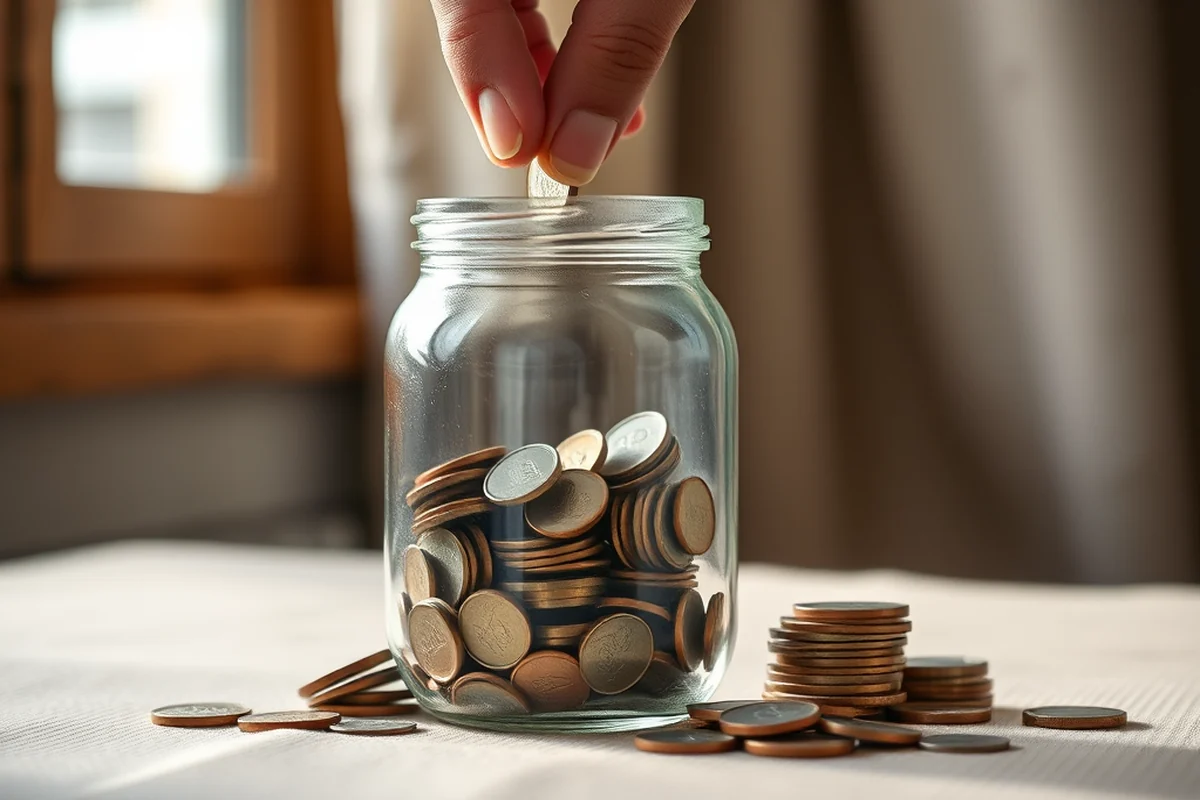
One of my biggest mistakes was storing my emergency fund in a standard savings account that offered only 0.15% interest. After a year, I lost nearly $100 in interest, which could have been used for something important. That’s why I now use a high-yield savings account.
High-yield savings accounts can offer up to 5% interest, which makes a significant difference over time. For example, if I had $1,000 in a high-yield account with 4% interest, I would have $1,040 after a year—$40 more than I would have in a low-yield account.
I now recommend that everyone with an emergency fund use a high-yield savings account. It’s simple, safe, and it helps your money grow without any extra effort.
Interest may seem small, but over time, it can add up to hundreds of dollars.
Related: Emergency fund building mistakes pitfalls step by step
Neglecting Regular Reviews Can Lead to Overspending
I used to check my emergency fund once every six months, and that was a mistake. During that time, I had several unexpected expenses that I didn’t plan for. I realized that regular reviews are essential for maintaining financial stability.
I now review my emergency fund every month, and it’s made a huge difference. By doing this, I can quickly spot any dip in my fund and make adjustments. For instance, if I notice that I’ve used a portion of my fund for an unexpected expense, I can replenish it faster.
Regular reviews are a simple but powerful habit. I use a printable emergency fund tracker that I download and fill out each month. It helps me stay on track and reminds me of my financial goals.
Set a recurring calendar reminder to check your emergency fund every month. Use a printable tracker to document your expenses and progress.
“I remember the moment I realized my emergency fund wasn’t just a number on a spreadsheet—it was my lifeline.”— Rainyready editors
Related: Emergency fund building mistakes pitfalls examples
Assuming a Single Emergency Fund Is Enough
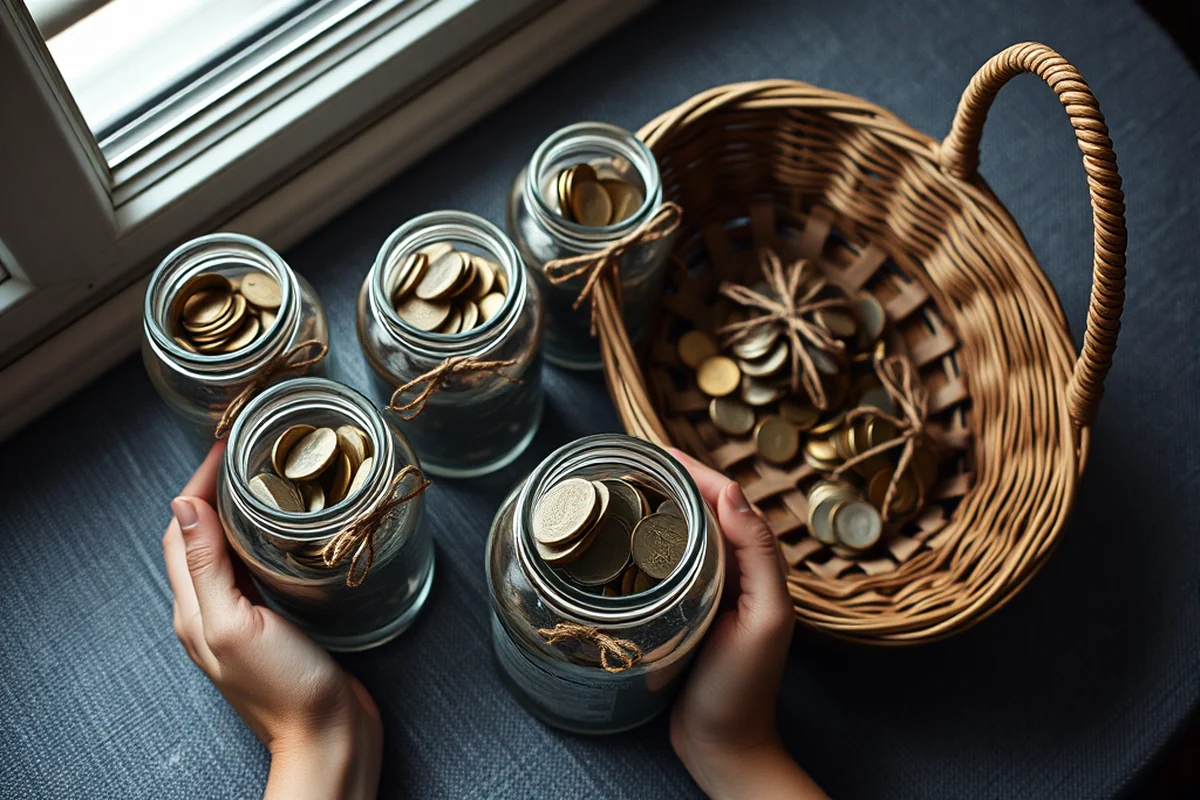
I assumed that one emergency fund would be enough for everything—job loss, car repairs, unexpected medical bills. But when I had to replace my car and lost my job within a month, I had to dip into my fund too quickly, and it wasn’t enough.
After that experience, I realized that having multiple emergency funds, such as one for job loss and another for home or car repairs, is a better approach. It allows you to handle different types of emergencies without depleting your entire fund at once.
Creating separate emergency funds isn’t complicated. I now allocate $1,000 for job loss, $500 for home repairs, and $500 for car emergencies. This way, I’m prepared for different scenarios without sacrificing my long-term savings goals.
Related: How to emergency fund building mistakes
Ignoring the Power of Automation
I used to manually transfer money to my emergency fund every month, but I often forgot or delayed the transfer. This led to irregular contributions and slower progress. Automating the process was a game-changer.
I set up an automatic transfer from my checking account to my emergency fund every month. This way, I never have to think about it. For example, if I earn $5,000 a month, I automatically move $200 to my emergency fund, and it’s taken care of without any effort.
Automation is one of the most effective strategies for building an emergency fund. It ensures consistency and helps you save even when you’re busy or forgetful. I use a financial app that tracks all my automatic transfers and sends me a monthly report.
💰 Tight Budget Emergency Plan
A step-by-step plan for building an emergency fund on a limited income, focusing on cutting non-essential expenses and using high-yield accounts.
🚀 Aggressive Payoff Strategy
A high-savings approach for those with higher incomes, emphasizing rapid accumulation and multiple emergency funds for different scenarios.
📈 Irregular Income Emergency Plan
A strategy for people with fluctuating incomes, using side gigs and irregular savings methods to build an emergency fund.
👫 Couples Emergency Plan
A joint approach for couples, including shared goals, separate emergency funds, and communication strategies for financial stability.
🌱 Beginner Emergency Plan
A simplified, easy-to-follow guide for those new to building an emergency fund, with tips and tools to get started.
| The mistake | Why it happens | The fix |
|---|---|---|
| Starting with too high a goal | Setting an unattainable goal can lead to frustration and inaction, making it harder to build your fund over time. | Adjust your goal to something realistic, like $500 to $1,000, and work toward increasing it as your income grows. |
| Using a low-yield savings account | Low-interest accounts can reduce your savings over time, especially when interest rates are low. | Switch to a high-yield savings account that offers better returns and helps your money grow faster. |
| Neglecting regular reviews | Failing to track your fund can lead to poor financial decisions and unpreparedness for emergencies. | Set up a monthly review schedule and use a printable tracker to stay on top of your progress. |
| Assuming a single fund is enough | A single emergency fund may not be sufficient for multiple financial shocks, leading to faster depletion and financial stress. | Create separate emergency funds for different needs, such as job loss, car repairs, and home emergencies. |
Related: Emergency fund building mistakes pitfalls mistakes to avoid
Emergency Fund Building Mistakes Pitfalls Printable
Related: Emergency fund building pitfalls for beginners
Underestimating the Impact of Inflation on Emergency Funds
Failing to account for inflation can erode the real value of emergency savings over time.
When I first started building my emergency fund, I assumed that keeping it in a standard savings account would be enough. I didn’t consider how inflation would slowly eat away at its value. Over five years, the purchasing power of my emergency fund decreased by nearly 10% due to rising prices. This was a wake-up call that I needed to think more strategically about how my emergency fund would hold up in the long term.
Inflation doesn’t just affect large purchases like homes or cars — it impacts everyday expenses like groceries, utilities, and healthcare. I now keep a portion of my emergency fund in investments that are slightly more inflation-protected, such as Treasury Inflation-Protected Securities (TIPS) or index funds. These aren’t ideal for immediate access, but they help ensure that my fund doesn’t lose value over time.
Balancing liquidity and inflation protection is tricky, but it’s essential. I keep the majority of my emergency fund in a low-fee, easily accessible savings account and a smaller portion in more stable, long-term investments. This hybrid approach has given me more confidence that my emergency fund will still be sufficient when I need it, even in an inflationary environment.
Failing to Account for Multiple Financial Obligations
Many people overlook the need for multiple emergency funds tailored to different life stages and responsibilities.
I once advised a client who had a single emergency fund covering only a three-month shortfall. When her car broke down and her spouse lost his job, the fund wasn’t enough. I realized that most people don’t consider having separate funds for major expenses like healthcare, home repairs, or education. This oversight can be catastrophic during a crisis. It’s important to segment your savings to address specific needs rather than relying on one-size-fits-all approach.
Creating separate funds for different financial responsibilities makes it easier to allocate resources effectively. For example, having a dedicated fund for unexpected medical bills and another for home emergencies ensures you’re prepared for various scenarios. I personally set up three distinct emergency funds—general, healthcare, and home—each with a different target amount based on my lifestyle and family needs. This strategy helped me avoid panic when an urgent situation arose.
Setting up multiple funds can also help maintain mental clarity during stressful times. When you know exactly where your money is allocated, you’re less likely to dip into one fund for a different purpose. I recommend using separate high-yield savings accounts or clearly labeled envelopes to manage each fund. This method not only provides peace of mind but also reinforces the discipline needed to avoid overspending and ensure each fund is used appropriately when needed.
Common Questions
How much should I save for an emergency fund?
Can I use a regular savings account for my emergency fund?
How often should I review my emergency fund?
Is it okay to use my emergency fund for non-emergencies?
References
- Playing a saving and spending game - files.consumerfinance.gov. (files.consumerfinance.gov)
- Money Basics Guide to Building and Maintaining Credit (mycreditunion.gov)
- Week 3: Expenditure and budgeting: View as single page | OpenLearn (open.edu)
Cite this guide
Rainyready (2026). Emergency Fund Building Mistakes Pitfalls Printable. https://rainyready.com/emergency-fund-building-mistakes-pitfalls-printable/
Feel free to cite or share this guide.
Emergency Fund Build Plan
Sets an emergency fund target and month-by-month savings plan from essential spending.
Open it free →