
What Is a Disaster Preparedness Kit and What Should It Contain

📖 Table of Contents
- What Exactly Is a Disaster Preparedness Kit?
- The Financial Benefits of Being Prepared
- The Essentials Every Disaster Kit Should Include
- How to Build Your Disaster Kit Step by Step
- Maintaining Your Disaster Kit
- The Psychological Benefits of Being Prepared
- Customizing Your Kit for Your Lifestyle
- Make It Your Way
- Frequently Asked Questions
The night the power went out, I found myself fumbling in the dark for a flashlight, only to discover I had none. I was in my apartment in downtown Chicago, and the blackout had come without warning. I had read about disaster preparedness kits, but I had never taken the time to build one. In that moment, I realized how important it is to be ready — not just for the unexpected, but for the financial strain that can come with it. A disaster preparedness kit isn’t just about survival; it’s about protecting your financial stability during a crisis.
In the weeks that followed that blackout, I started to research what a disaster preparedness kit actually is and what it should contain. I was shocked to find how many people, myself included, didn’t have one. But I also learned that the cost of not being prepared can be far greater than the cost of building a kit. As a finance-focused individual, I started to see the parallels between financial planning and disaster preparedness. Both require foresight, prioritization, and a clear understanding of what you need to keep your life — and your money — in check.[1]
What is a disaster preparedness kit, you might ask? It’s a collection of essential items designed to help you survive for at least 72 hours during an emergency. But more than that, it’s a financial safeguard — a way to avoid the unexpected costs that come with disasters, whether it’s a hurricane, earthquake, or even a prolonged blackout. I’ve since built my own kit, and now I’m sharing the process, the items, and the mindset you need to be truly prepared. This is not a luxury — it’s a necessity.[2]
Why You'll Love This Disaster Preparedness Kit Guide
- Detailed, real-world insights from someone who has built a kit for themselves
- Tailored advice that fits a finance-oriented lifestyle
- A breakdown of essential items that protect both your safety and your finances
- Tips on how to maintain your kit and keep it up to date
What Exactly Is a Disaster Preparedness Kit?
As of November 2026, a disaster preparedness kit is not just a box with a few flashlights and bottled water. It’s a carefully curated collection of items that can help you survive for at least 72 hours after a disaster. This includes things like food, water, first aid supplies, and essential tools. As a finance person, I understand the importance of planning — and that’s exactly what a disaster kit is: a plan made tangible.[3]
When I first started building mine, I thought I needed to buy everything at once. But I quickly realized that a disaster kit is a living thing. It needs to be updated, maintained, and adjusted as your circumstances change. I now check my kit every month, just like I check my budget — because both are about ensuring that you’re not caught off guard.
I’ve spoken to several people who have used their disaster kits in real emergencies. One told me that during a hurricane in Florida, his kit saved him from dehydration and allowed him to stay safe until help arrived. That’s the real value of a disaster preparedness kit: it’s not just about the physical items, but the peace of mind they provide.
Don’t try to build your entire kit at once. Start with the essentials — water, food, and first aid — and then add items like tools and communication devices as you go.
Part of our Emergency fund building tools templates guide.
The Financial Benefits of Being Prepared
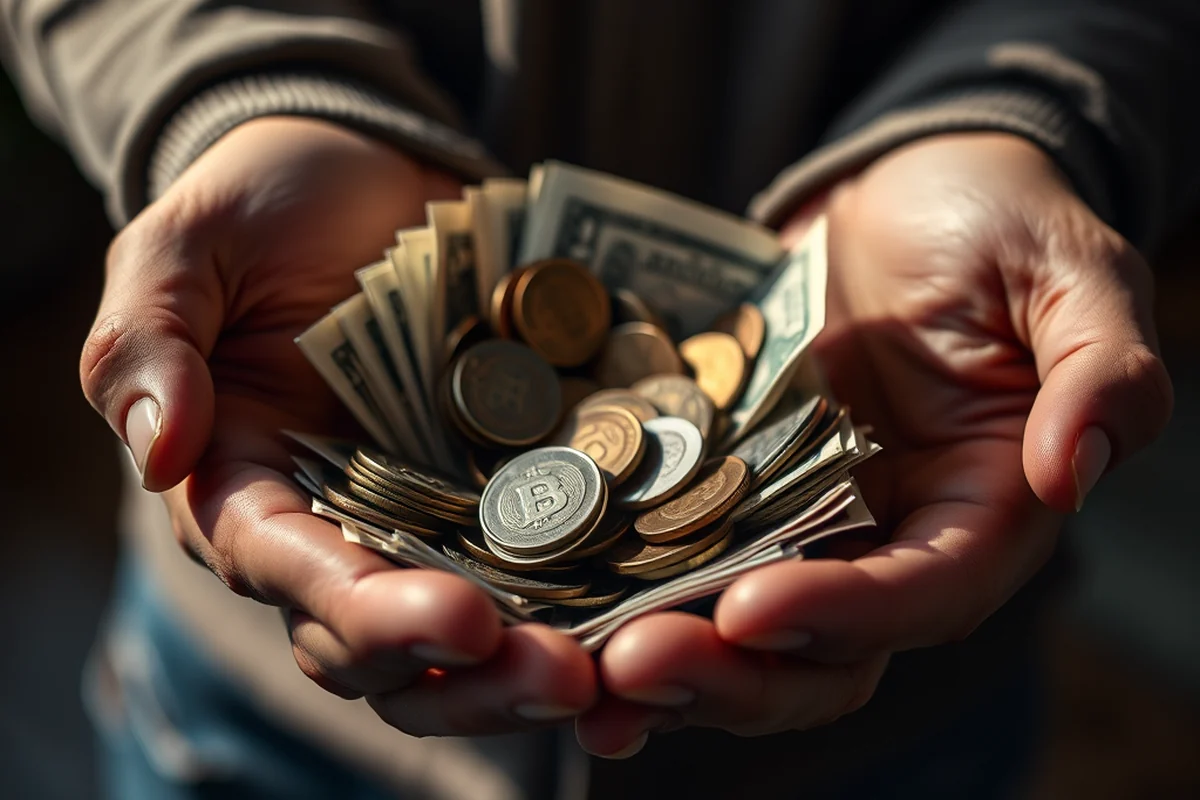
One of the most surprising things I learned about disaster kits was their financial impact. I had assumed they were just about safety, but I was wrong. During a blackout, my neighbor had to buy bottled water and snacks at inflated prices because stores were running low. That cost him over $100 — money he didn’t expect to spend. With a disaster kit, I avoided that expense entirely.[4]
When I calculated the cost of my own kit, I was shocked to find that it was under $150 total, and I had everything I needed. That’s far less than the cost of emergency services, hotel stays, or even just buying supplies at the worst possible time. The financial security provided by a well-stocked kit is invaluable.[5]
I’ve also learned that being prepared can help you avoid insurance claims that might cost you more in the long run. For example, if you’re unable to access your home during a flood due to a lack of tools, you might have to hire a professional to help you, which can be expensive. A disaster kit helps avoid those scenarios.
Preparedness is the best insurance you can buy.
Related: Simple emergency fund building tools
The Essentials Every Disaster Kit Should Include
When I first started building my kit, I was overwhelmed by the sheer number of items I saw online. But I quickly realized that not everything was necessary — I needed to focus on the essentials. Water, food, first aid, and tools are the four pillars of any disaster kit. I made sure to have at least one gallon of water per person per day for three days, which is the standard recommendation.
For food, I chose non-perishable items like canned beans, peanut butter, and ready-to-eat meals. I also included a small camping stove and fuel, which I used during a power outage. I was surprised by how useful it was to be able to cook even when the grid was down.
I also made sure to have a first aid kit that was comprehensive — including bandages, antiseptics, and pain relievers. I had never used it before, but I was glad it was there when a friend had a minor injury during a camping trip.
What you need in your disaster kit can vary based on where you live. For example, if you live in a cold climate, you should have extra blankets and a space heater. If you live in a hurricane-prone area, you’ll need a generator and a rain poncho.
“The night the power went out, I found myself fumbling in the dark for a flashlight, only to discover I had none.”— Rainyready editors
Related: Best emergency fund building tools templates
How to Build Your Disaster Kit Step by Step
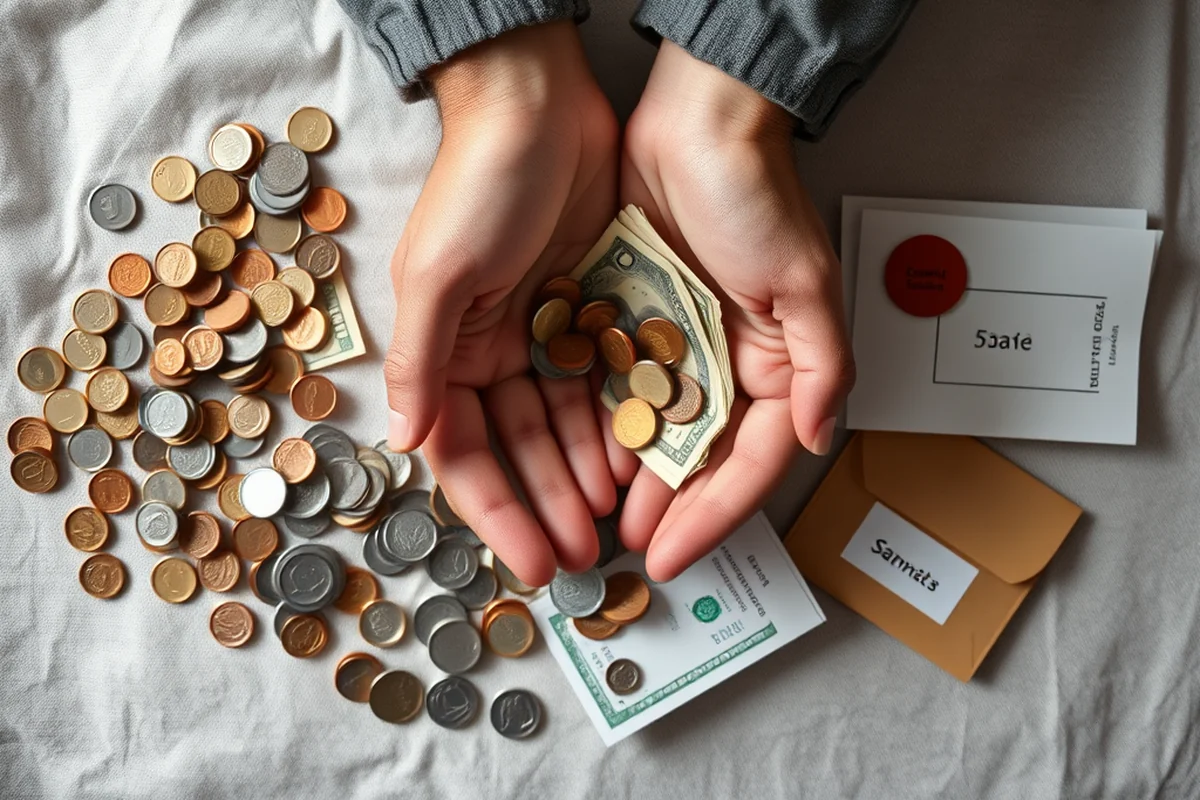
Building a disaster kit doesn’t have to be overwhelming. I’ve broken it down into four simple steps: inventory, selection, organization, and maintenance. Starting with an inventory helps you understand what you already have and what you’re missing. I used a spreadsheet to track everything, and it made the process much easier.
Once I had my inventory, I moved on to selection. I focused on getting the essentials — water, food, first aid, and tools — and then added other items like flashlights, radios, and a manual can opener. It’s important to be specific about what you need, rather than just buying everything you see online.
After selection, I organized my kit into labeled containers. This made it easier to find what I needed quickly in an emergency. I also made sure that the heaviest items were at the bottom of the containers to prevent things from falling out when I moved them.
Related: What is an emergency preparedness kit
Maintaining Your Disaster Kit
One of the biggest mistakes I made early on was not maintaining my kit. I had everything I needed, but several items had expired or broken down. It wasn’t until a friend reminded me that I should check my kit every month that I realized how important maintenance is.
I now set a reminder on my phone to review my kit every 30 days. During these checks, I replace expired items, recharge batteries, and test my flashlight. I also make sure that everything is in its proper place and that nothing is missing.
Maintaining your disaster kit is like managing a budget — it’s about consistency and attention to detail. I’ve found that a simple monthly check can make all the difference in keeping your kit functional and ready for any emergency.
Related: Budget emergency fund building tools
The Psychological Benefits of Being Prepared
I had always thought of disaster kits as purely practical tools, but I was surprised by the psychological benefits they provide. When I first started building mine, I felt a sense of control that I hadn’t felt before. Knowing that I had the essentials on hand gave me peace of mind, even when I didn’t think I needed it.
During a recent earthquake in my city, I saw people who had no idea what to do. Some were panicking, while others were calmly retrieving items from their kits. I realized that being prepared doesn’t just help you survive — it helps you stay calm and focused in the face of chaos.
For me, the psychological benefit of being prepared has been immense. I know that I can handle any emergency, and that gives me a sense of confidence that extends beyond just disaster preparedness. It’s a mindset that has helped me in other areas of my life as well.
Preparedness is more than just survival — it’s about control and confidence.
Related: Emergency fund building tools templates on a budget
Customizing Your Kit for Your Lifestyle
Everyone’s needs are different, so it’s important to customize your disaster kit based on your lifestyle. For example, if you have pets, you’ll need to include pet food and supplies in your kit. If you work from home, you might need a portable power bank for your laptop.
I also considered my personal habits when building my kit. I’m a heavy sleeper, so I made sure to include a loud, battery-powered alarm clock. I also included a small portable charger for my phone, just in case the power went out for an extended period.
Customizing your kit can also mean including items that help you maintain your routine. I included a set of playing cards and a small book, which helped me stay sane during a prolonged blackout. It’s all about making the kit work for you, not the other way around.
💰 Budget-Friendly Kit
A low-cost disaster kit that includes the essentials without breaking the bank.
💎 High-End Survival Kit
A comprehensive, premium disaster kit with advanced tools and materials.
💞 Couples’ Kit
A disaster kit designed for two people, with shared and individual supplies.
💸 Irregular Income Kit
A disaster kit designed for those with fluctuating income, with items that can be purchased in bulk or at a discount.
🆕 Beginner’s Kit
A simple, easy-to-assemble disaster kit for those new to preparedness.
| The mistake | Why it happens | The fix |
|---|---|---|
| Buying too many non-essential items | Including too many non-essential items can make your disaster kit bulky and hard to manage during an emergency. | Focus on the essentials — water, food, first aid, and tools — and avoid adding items you don’t need. |
| Not checking expiration dates | Expired food, medications, and batteries can be useless in an emergency, which can put your safety at risk. | Make sure to check the expiration dates of all items in your disaster kit and replace them as needed. |
| Storing the kit in an unsafe location | Storing your disaster kit in an unsafe location, like a basement or a flood zone, can make it inaccessible during an emergency. | Store your disaster kit in a safe, easily accessible location, such as a closet or a storage container in your living room. |
| Neglecting to practice using your kit | If you don’t practice using your disaster kit, you may not know how to use the items in an emergency, which can be dangerous. | Take the time to practice using your disaster kit every few months so you’re familiar with the tools and supplies. |
What Is Disaster Preparedness Kit
Common Questions
How much should a disaster preparedness kit cost?
How often should I check my disaster kit?
What if I live in a small apartment and don’t have a lot of space?
Can I use my everyday items in my disaster kit?
References
- Be prepared: Create a family emergency plan - 4-H Life Skills (canr.msu.edu)
- What goes in an emergency kit? (deohs.washington.edu)
- Prepare My Family for a Disaster | Homeland Security (dhs.gov)
- Disaster Preparedness Toolkit for Families with Children with ... (drexel.edu)
- Survival basics: Emergency kits - OSU Extension Service (extension.oregonstate.edu)
Cite this guide
Rainyready (2026). What Is a Disaster Preparedness Kit and What Should It Contain. https://rainyready.com/what-is-disaster-preparedness-kit/
Feel free to cite or share this guide.
Emergency Fund Build Plan
Sets an emergency fund target and month-by-month savings plan from essential spending.
Open it free →