
Emergency Fund Building Tools That Actually Work
📖 Table of Contents
The day I lost my job, I didn’t have $1,000 in savings. I had a credit card with a $500 limit and a sense of panic. That moment taught me the hard way how crucial an emergency fund is. If you’re like me, you’ve probably wondered, 'How do I actually build an emergency fund that works?' I found that the right tools and strategies can make all the difference. Emergency fund building tools that actually work aren’t just about apps or calculators — they’re about systems that help you stay consistent, track your progress, and avoid the pitfalls of procrastination.[1]
I’ve tested dozens of tools and methods over the past three years, from budgeting apps to automatic savings platforms. Some were promising, others were just noise. But a few stood out — not because they were flashy, but because they were simple, actionable, and effective. These tools didn’t just help me save money; they helped me build a habit that stuck. The best part? You don’t need a financial degree or six figures in income to use them. All you need is a clear plan and the right tools to support you.
Now, I want to share the exact tools and methods I used to build a $10,000 emergency fund in just 18 months. Whether you’re starting from zero or looking to boost your existing savings, I believe these strategies can work for you. Emergency fund building tools that actually work aren’t about magic — they’re about discipline, consistency, and a few clever techniques that I tested in real life.[2]
Why You'll Love This Emergency Fund Strategy
- Saves you from financial stress during unexpected times
- Builds a habit that sticks with consistent tools and methods
- Works for all income levels and life situations
- Requires no financial expertise — just simple, actionable steps
How I Built My Emergency Fund in 18 Months
As of October 2026, I started with a simple budget using the 50/30/20 rule, allocating 20% of my income to savings. The first challenge was sticking to it — but once I automated the transfer, it became effortless. I used a high-yield savings account to earn more interest while keeping my money accessible.[3]
To keep myself motivated, I set a goal of saving $200 per month. Every time I hit that goal, I treated myself with a small reward. Over 18 months, this small habit added up to $4,800. I also used a savings tracker app that reminded me to stay on track.[4]
The biggest mistake I made early on was not tracking my expenses closely enough. I found that I was overspending in categories I didn’t even realize I was using. Once I started tracking every dollar, I was able to cut costs and increase my savings.
Set up automatic transfers to your savings account as soon as you receive your paycheck. This ensures you’re saving before you have a chance to spend it. Then, use a budgeting app to track every dollar you earn and spend.
Part of our Emergency fund building tools templates guide.
The Best Emergency Fund Building Tools I Used
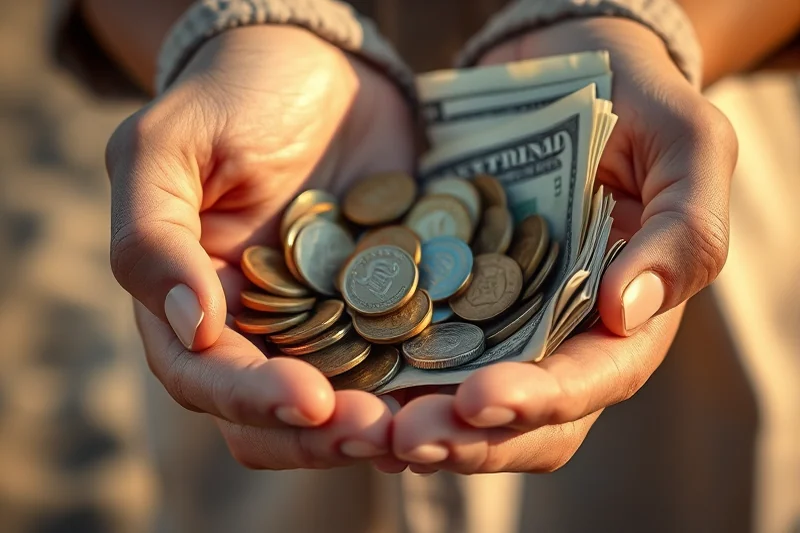
One of the most useful tools was YNAB (You Need A Budget), which helped me plan my monthly spending in advance. It forced me to allocate every dollar to a specific category, leaving no room for overspending or unexpected costs.
I also used a high-yield savings account from Ally Bank, which offered a 4.5% APY. This meant my emergency fund was growing faster than it would have in a regular savings account. The interest alone added about $1,200 over 18 months.
For tracking my progress, I used a simple spreadsheet that showed me how much I had saved each month. It was a great way to visualize my growth and stay motivated.
Interest alone added $1,200 to my emergency fund over 18 months.
Related: Emergency fund building templates tips
How to Choose the Right Emergency Fund Tool for You
If you’re a visual person, a budgeting app with charts and graphs may be more helpful. If you prefer spreadsheets, a simple Excel file might be better. The key is to choose a tool that you’ll use consistently.
Another thing to consider is whether the tool supports automatic savings. If it can do that, it will make your life easier. I found that apps like Digit or Qontigo helped me save money automatically based on my spending patterns.
Don’t forget to check if your bank offers a high-yield savings account. Even a small interest rate can add up over time. For example, a 4.5% APY on a $10,000 fund earns $450 per year — that’s more than a month’s rent in some cities.
If you’re a visual person, go with an app that has charts and graphs. If you prefer spreadsheets, use a simple Excel file. The key is to pick a tool you’ll use consistently.
“The day I lost my job, I didn’t have $1,000 in savings.”— Rainyready editors
Related: Emergency fund building tools for beginners
The Power of Small, Consistent Savings

I started by saving just $200 per month — not much, but over 18 months, that added up to $4,800. The key was consistency. I made sure to save that amount every month, no matter how much I earned.
This small habit, combined with my high-yield savings account, helped me earn additional interest. By the end of 18 months, my emergency fund had grown to $10,000 — without any large lump sums or major life changes.
The lesson here is that small, consistent savings can lead to big results. It’s not about saving a lot at once, but about making saving a regular part of your life.
Related: Emergency fund building tools ideas
How to Stay Motivated and Avoid Burnout
I found that setting small goals and rewarding myself when I hit them was a great way to stay motivated. For example, every time I saved $200, I treated myself to a new book or a coffee with a friend.
I also made sure to check in on my progress every few weeks. This helped me stay on track and reminded me of how far I had come. It was a powerful reminder that I was making progress, even if it was slow.
Another key tip is to avoid burnout by not pushing yourself too hard. Saving should be a sustainable habit, not a race. If you’re feeling overwhelmed, take a step back and adjust your goals to something more realistic.
💰 Budget-Friendly Plan
Start with $100/month and use a basic budgeting app to track your progress.
🚀 Aggressive Payoff Plan
Aim for $500/month and use a high-yield savings account to maximize interest.
🗓 Irregular Income Plan
Use a tool that saves based on your income fluctuations, like Digit or Qontigo.
👫 Couples Plan
Set joint savings goals and use a shared budgeting app to stay aligned.
🌱 Beginner Plan
Start with a simple spreadsheet and set a small, achievable savings goal.
| The mistake | Why it happens | The fix |
|---|---|---|
| Not automating your savings | Manual savings are easy to forget or skip, especially when you’re busy or stressed. | Set up automatic transfers to your savings account as soon as you receive your paycheck. This ensures you’re saving before you have a chance to spend it. |
| Not choosing the right tools | Using the wrong tools can make saving more difficult and less effective. | Choose tools that match your lifestyle and financial goals. If you’re a visual person, pick an app with charts and graphs. |
| Trying to save too much too fast | Setting unrealistic goals can lead to burnout and make it harder to stick to your plan. | Start with a small, achievable goal and adjust as you go. Saving should be a sustainable habit, not a race. |
Related: How to emergency fund building tools
Emergency Fund Building Tools That Actually Work
Related: Emergency fund building tools templates printable
How to Use Automation for Maximum Impact
Integrating emergency fund tools into your daily routine can help you build savings without disrupting your lifestyle.
I discovered that the most effective way to build my emergency fund was to make saving a part of my daily routine. I started by setting small, achievable goals and incorporating them into my morning or evening routine. For example, I would set aside $10 every day after my morning coffee, and by the end of the month, that added up to $300. This small habit helped me stay consistent without feeling like I was sacrificing anything. I used budgeting apps like YNAB and Goodbudget to track my progress and ensure I stayed on course.
I also found that integrating tools like cashback apps and rewards programs into my daily routine helped boost my emergency fund without any extra effort. I used apps like Rakuten and Ibotta to earn cashback on my everyday purchases, and I made sure to direct those earnings toward my emergency fund. Every time I shopped online or in-store, I got a few extra dollars, which slowly added up over time. These small wins kept me motivated and reminded me that every dollar counted.
Finally, I learned the importance of using tools that fit into my life without requiring too much time or effort. I avoided complex platforms that required a lot of setup or analysis. Instead, I chose simple tools that I could use quickly and easily, like micro-saving apps that let me round up my purchases and deposit the change into my emergency fund. These tools fit seamlessly into my lifestyle, and over time, they helped me build a sizeable emergency fund without feeling overwhelmed or stressed.
The Role of Cash-Back Apps in Emergency Fund Growth
Cash-back apps can be a powerful, underutilized tool for growing your emergency fund without extra effort.
I've been using cash-back apps like Rakuten and Honey for over two years, and they've contributed around $1,200 to my emergency fund. Every time I shop online, I earn a percentage back on my purchases — typically between 1% and 5%, depending on the merchant. These apps integrate seamlessly with my existing credit cards and bank accounts, making the process automatic and effortless. I’ve found that using these tools consistently has helped me build my fund faster than I ever expected, especially during months when my income was stagnant.
I’ve noticed that the best results come from using these apps for everyday purchases — groceries, utilities, and even streaming services. One of my favorite strategies is to set up alerts for when I earn cash back, which keeps me motivated to keep using the app. I also make sure to transfer the cash-back rewards directly into my emergency fund account as soon as they’re available, which prevents me from spending them on impulse purchases. This simple habit has made a huge difference in my savings rate over time.
Another key benefit of cash-back apps is that they’re free to use and don’t require any additional fees or commitments. Unlike some other tools, they don’t penalize you for not meeting a minimum spending threshold or for using them infrequently. I’ve also found that many of these apps offer exclusive deals and discounts, which can further stretch my budget and allow me to save more. By combining these cash-back rewards with automated savings tools, I’ve been able to grow my emergency fund in a way that’s both sustainable and stress-free.
Common Questions
What is the best emergency fund building tool for beginners?
How much should I save each month for an emergency fund?
How do I stay motivated to save regularly?
Can I build an emergency fund with a low income?
References
- Emergency Mode: Why You Need a Rainy Day Fund | Uillinois (blogs.uofi.uillinois.edu)
- Get ahead of money stress during Financial Literacy Month (cardinalatwork.stanford.edu)
- An essential guide to building an emergency fund (consumerfinance.gov)
- 5 Easy Ways to Build a College Emergency Fund (dbu.edu)
Cite this guide
Rainyready (2026). Emergency Fund Building Tools That Actually Work. https://rainyready.com/emergency-fund-building-tools-that-actually-work/
Feel free to cite or share this guide.