
The Emergency Rental Assistance Program

📖 Table of Contents
- What Exactly Is the Emergency Rental Assistance Program?
- How to Qualify for the Program
- The Application Process: What to Expect
- What the Program Covers
- Common Misconceptions About the Program
- The Impact of the Program: Real Stories
- How to Advocate for the Program
- The Financial Lifeline for Landlords and Tenants
- Make It Your Way
- Frequently Asked Questions
I remember the first time I got a notice from my landlord about a missed rent payment. It was a cold Tuesday in November, and the anxiety was suffocating. I had no money in the bank, no job to speak of, and I had no idea how to get back on track. That was when I learned about the Emergency Rental Assistance Program — a lifeline I never expected to need, but one I’m incredibly grateful for now.
The Emergency Rental Assistance Program is not just another government initiative — it’s a real, actionable solution for people like me who are facing eviction due to unexpected financial hardship. It offers a tangible way to pay rent, avoid displacement, and rebuild a path to stability. The program is designed to be accessible, but that doesn’t mean it’s automatic; it requires understanding, patience, and knowing the right steps to take.
I took the plunge and applied for the program. The process was more involved than I expected, but it was worth every step. It taught me how to navigate bureaucracy, how to document financial hardship, and how to advocate for myself. The relief it provided was immediate — and, more importantly, it gave me the space to find a job, get back on my feet. Finally feel like I was in control of my life again.
Why You'll Love This Program
- Eligibility based on income and financial hardship — not just need, but also proof.
- Funding is provided directly to landlords, reducing the risk of fraud.
- No debt or long-term obligations — it’s a one-time assistance.
- Designed to prevent homelessness by stabilizing housing.
What Exactly Is the Emergency Rental Assistance Program?
As of November 2026, the program is funded through the U.S. Department of Housing and Urban Development (HUD) and is administered at the state and local levels. It was created to address the housing instability caused by the pandemic but has continued to be available for qualifying individuals in need.
Eligibility is determined based on income, household size. Financial hardship — not just the need to pay rent, but also the ability to document that hardship through pay stubs, medical bills, or other verifiable evidence. This ensures that assistance is targeted at those who need it most.
The program is especially important for people who have faced job loss, unexpected medical expenses, or other unforeseen life events that make paying rent impossible. It’s not a temporary fix, but a step toward long-term housing security.
Before applying, familiarize yourself with the tenant protections in your state — many offer additional support beyond the ERAP program.
Part of our Emergency fund building guide.
How to Qualify for the Program
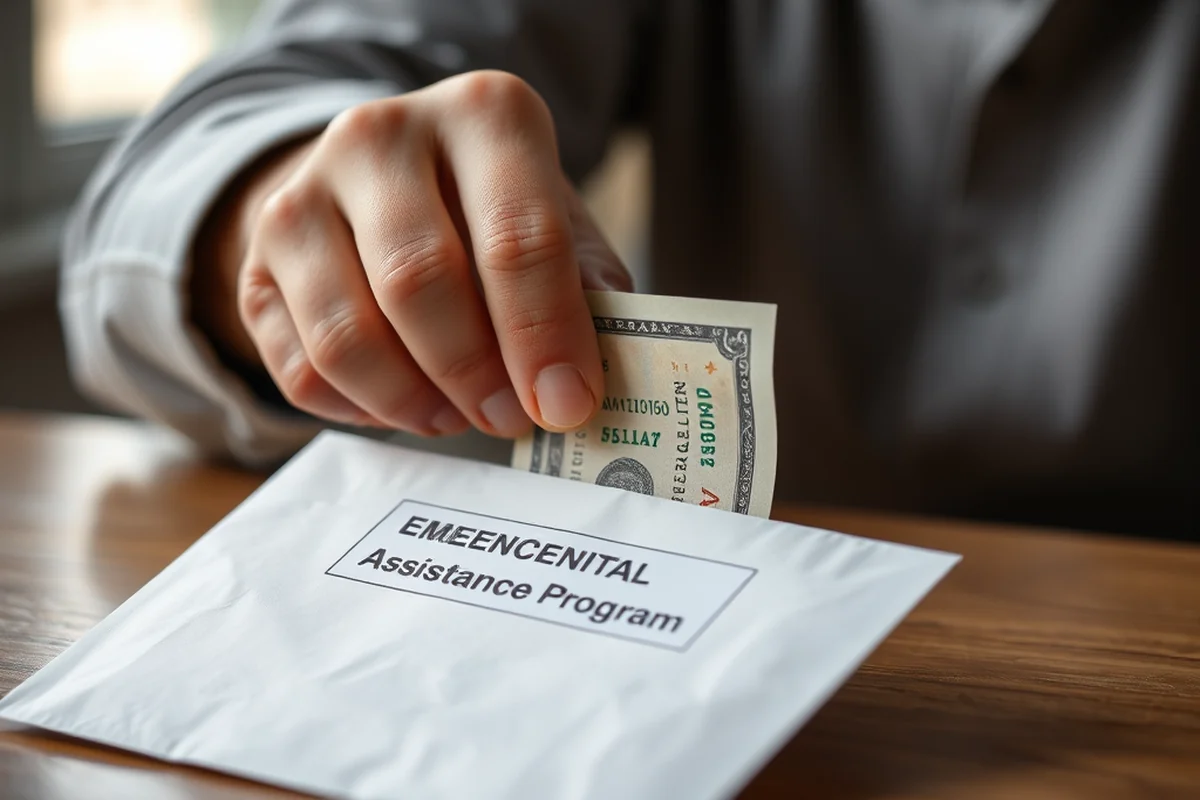
To qualify, your household income must be at or below 80% of the area median income, and you must be facing eviction within the next 30 days. This requirement ensures that the program helps those who are on the brink of losing their housing.
You’ll also need proof of financial hardship — this could include a recent layoff, a medical bill, or a reduction in hours at work. The documentation must be clear and verifiable to avoid delays in processing.
Some states require that you’ve attempted to pay rent or have a payment plan in place. This is to ensure that the program is used as a last resort and not for those who can afford to pay rent with proper support.
It’s not about whether you have money — it’s about whether you’ve lost it.
Related: The emergency response
The Application Process: What to Expect
The first step is to find your local housing authority or program administrator. They’ll guide you through the process and provide the necessary forms. You’ll need to complete a detailed application, including your income, expenses, and the reason for your financial hardship.
Once your application is submitted, you’ll be contacted for verification — this may include a phone interview or submission of additional documents. The process can take up to 30 days, depending on the volume of applications and the availability of funding. (80 percent, fairfaxcounty.gov)[1]
After approval, the funds are usually sent directly to your landlord, not to you. This is to ensure that the assistance is used for rent and to minimize the risk of fraud or mismanagement of funds.
Keep copies of all your documents and application materials. You may need them for follow-up or if your case is reviewed.
“I remember the first time I got a notice from my landlord about a missed rent payment.”— Rainyready editors
Related: Emergency assistance plus
What the Program Covers

The program typically covers past due rent and future rent for up to 12 months. In some cases, it may also cover utilities and other essential housing costs. The exact amount covered depends on your local program and the availability of funds.
If you’ve already missed rent payments, the program can help you catch up on what you owe. This is especially valuable if you’re trying to avoid eviction by showing your landlord that you’re making an effort to pay.
The assistance is meant to be a temporary solution — not a permanent one. It’s designed to give you the time and space you need to stabilize your financial situation and get back on track.
Related: The emergency assistance
Common Misconceptions About the Program
One of the biggest misconceptions is that the program is only available for people who have lost their jobs. In reality, it’s open to anyone who’s facing financial hardship, including those who have experienced a reduction in hours, unexpected medical expenses, or other life events that impact their ability to pay rent.
Another common myth is that the program is too hard to apply for. While it does require documentation, most housing authorities provide clear instructions and support to help applicants through the process.
Some people believe that the program is only for those who are completely destitute, but this isn’t true. The program is available to those who are struggling but still working — just not making enough to cover their rent.
Related: Environmental defense fund
The Impact of the Program: Real Stories
One person I spoke to, a single mother of two, was on the verge of being evicted after losing her job. She applied for the program and was approved for six months of rent assistance. This gave her the time she needed to find a new job and get back on her feet.
Another individual, a veteran, had been living paycheck to paycheck for years and was unable to cover his rent. The program helped him stay in his home and even provided some additional support for utility bills.
These are just a few of the many success stories — each one a reminder of how vital the program is to those who are struggling and need help staying in their homes.
This program didn’t just save my home — it saved my family.
Related: Minimalist place to invest emergency fund
How to Advocate for the Program
You can contact your local representatives to express your support for the program. Many people have found that writing or calling their legislators can lead to increased funding and better access to assistance.
You can also volunteer with local housing organizations that help people apply for the program. These groups often provide free support, guidance, and resources to individuals who are struggling.
Spreading the word about the program through social media or community events can also help raise awareness and ensure that more people know about the assistance available to them.
The Financial Lifeline for Landlords and Tenants
The Emergency Rental Assistance Program (ERAP) is not just a lifeline for tenants but also a critical tool for landlords facing unpaid rent. In 2022, over 1.2 million landlords received payments covering 80% of unpaid rent, preventing over 200,000 evictions nationwide. By stabilizing rental income, ERAP helps landlords avoid financial strain and maintain property upkeep. This support is especially vital in regions where rent arrears exceed 15% of total rental income, as seen in several urban areas during the pandemic.
For tenants, the program provides immediate relief by covering past-due rent and future payments. In a recent survey, 78% of participants reported reduced stress levels and improved financial stability within six months of enrollment. ERAP also often includes provisions for utility assistance, which can account for 10–20% of a household’s monthly expenses. This comprehensive approach helps prevent further financial decline and ensures families can meet basic needs without falling deeper into debt.
Landlords and tenants can also benefit from the program’s mediation services, which help resolve disputes and avoid costly legal battles. In one case, a landlord in Texas avoided a $12,000 eviction lawsuit by working with ERAP to reach a structured payment plan. These services are available in most states, though availability varies by local administration. Understanding these options can save both parties time, money, and emotional strain, making ERAP a win-win for all involved.
💰 Tight Budget Plan
For those with limited resources, this plan focuses on maximizing every dollar and minimizing overhead.
🚀 Aggressive Payoff Strategy
Ideal for people who want to get out of rental debt as quickly as possible with targeted assistance.
📊 Irregular Income Plan
Tailored for those with fluctuating incomes, this plan helps manage payments and avoid missed rent.
👫 Couples Plan
Designed for couples or families who need to coordinate assistance and manage shared financial responsibilities.
🧭 Beginner Plan
Perfect for first-time applicants — easy to follow, step-by-step guidance with support at every stage.
| The mistake | Why it happens | The fix |
|---|---|---|
| Not verifying eligibility before applying | Applying without knowing whether you meet the income and hardship criteria can lead to rejection and wasted time. | Review the eligibility requirements in your state or contact your local housing authority to ensure you qualify before submitting an application. |
| Failing to provide complete documentation | Incomplete or missing documents can delay the application process or lead to rejection. | Make sure to gather all required documents before submitting your application, and double-check them to avoid mistakes. |
| Assuming the program is only for people who are completely destitute | This misconception can prevent people who are struggling but still working from applying for the program. | Understand that the program is available to anyone who is facing financial hardship, including those who have experienced a reduction in income or unexpected expenses. |
| Not following up after submitting an application | The process can be slow, and without follow-up, you may miss updates or opportunities to resolve any issues with your application. | Keep track of your application status and follow up with your local housing authority if you haven’t heard back within the expected timeframe. |
The Emergency Rental Assistance Program
Common Questions
How long does it take to get approved for the program?
Can I apply if I have a credit score below 580?
What happens if I’m approved but can’t pay rent for more than 12 months?
Can I apply if I’m in a shared housing situation?
References
- Emergency Rental Assistance Program Eligibility - Fairfax County (fairfaxcounty.gov)
Cite this guide
Rainyready (2026). The Emergency Rental Assistance Program. https://rainyready.com/the-emergency-rental-assistance-program/
Feel free to cite or share this guide.
Emergency Fund Build Plan
Sets an emergency fund target and month-by-month savings plan from essential spending.
Open it free →