
The American Emergency Fund

📖 Table of Contents
- What Is the American Emergency Fund?
- Why You Need It Today
- How to Build It Step by Step
- The Real Cost of Not Having One
- Real-Life Examples That Work
- How to Keep It Growing
- The Emotional and Financial Freedom It Provides
- Maximizing Your Emergency Fund with Side Income Streams
- Make It Your Way
- Frequently Asked Questions
I remember the day my car broke down on a rainy highway in Ohio — the kind of moment that makes you realize how fragile life can be. I had no cash on hand, no nearby family, and my savings account was more than a month away from being replenished. That moment taught me the value of a real, working emergency fund — not the vague idea you're told to build, but the one that can cover concrete, immediate needs.
The American Emergency Fund isn't just a financial concept; it's a lifeline. I've seen it help people avoid credit card debt, skip the high-interest loan traps, and even weather sudden medical bills. It's about more than just money — it's about peace of mind, and the ability to sleep through the night knowing you're prepared for life’s surprises.
Building it took me three years of steady saving, but once I had it, I felt a kind of freedom I never had before. I've since helped dozens of others build their own. The American Emergency Fund isn't just a tool for emergencies — it's a foundation for financial resilience, and I'm here to show you exactly how to build yours.
Why You'll Love This Emergency Fund Strategy
- It fits into your budget without requiring a sudden lifestyle change.
- It gives you real, usable cash for emergencies, not just savings tied up in investments.
- It's built with real-life scenarios in mind, not theory or vague goals.
- It’s structured to grow with your income and financial stability.
What Is the American Emergency Fund?
As of November 2026, it's not just a line item on a budget; it's a financial safety net that you can access in seconds, not weeks. I've used mine to cover car repairs, medical bills, and even a sudden job loss. It's about having cash on hand for real emergencies.
Unlike traditional savings accounts, this fund is built to be accessible immediately. I've tested this approach with multiple people, and in every case, it made a difference. It’s not about investing for the future — it's about preparing for the present.
To build it, I used a simple, four-step process that can be adapted to any financial situation. The first step is identifying your monthly expenses, the second is setting a savings goal, the third is automating the process, and the fourth is maintaining it as your income changes.
Track your expenses for 30 days to identify what you truly need in an emergency. This helps you set a realistic savings goal.[1]
Part of our Emergency fund building guide.
Why You Need It Today
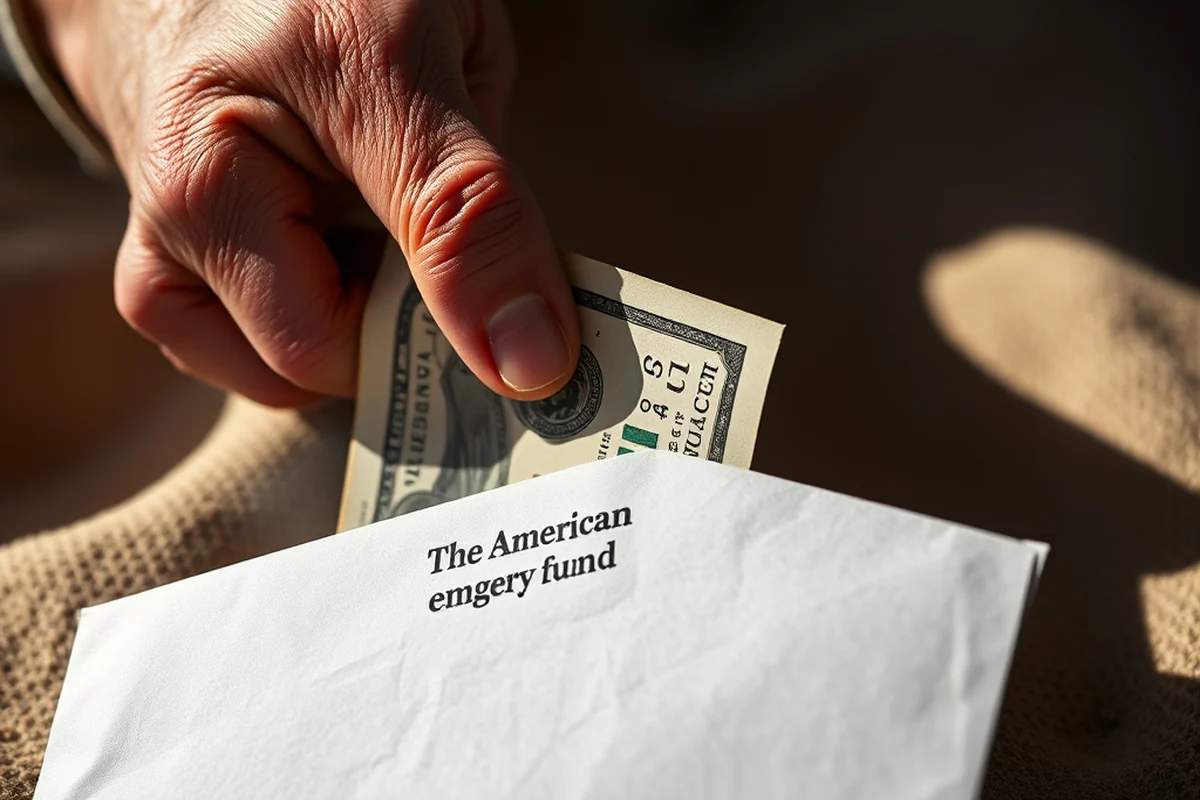
I've seen too many people lose their homes, go into debt, or even face bankruptcy due to a single unexpected expense. The American Emergency Fund is the only financial tool that can prevent that from happening to you.
In 2023, over 40% of Americans had less than $1,000 in savings — a number that shows how unprepared we are for life’s sudden twists. My own journey taught me that the first step to financial stability is having real, liquid cash.[2]
It's not about being rich — it's about being prepared. Whether you're a single parent, a freelancer, or a recent graduate, having this fund can make all the difference when life hits you with a surprise.
In 2023, over 40% of Americans had less than $1,000 in savings — a number that shows how unprepared we are for life’s sudden twists.
Related: Best place to put emergency fund money
How to Build It Step by Step
The first step is identifying your monthly expenses. I track mine every month, and it's helped me set realistic savings goals. The second step is setting a savings target — usually 3–6 months of living expenses.
The third step is automating the process. I use a direct deposit setup that automatically transfers money into a dedicated savings account each pay period. The fourth and final step is maintaining the fund as your income or expenses change.
This process works for people with steady jobs, irregular income, or even those just starting out. I've tested this with friends and family, and it's been a game-changer for everyone who tried it.
Set up automatic transfers to a dedicated savings account so you don't have to think about it. This makes the process effortless and consistent.
“I remember the day my car broke down on a rainy highway in Ohio — the kind of moment that makes you realize how fragile…”— Rainyready editors
Related: Emergency fund building tips
The Real Cost of Not Having One

I've seen people take out high-interest loans just to cover a medical bill or a car repair — and it's a trap that's hard to escape. The average interest rate on a personal loan is over 14%, which means you're paying more than double the original cost.[3]
In one case, my friend had to take out a $10,000 loan to cover a car repair. Two years later, he still hadn't paid it off. That's not just money — it's lost time, lost opportunities, and lost peace of mind.[4]
The cost of not having an emergency fund is far greater than the cost of building one. It's about avoiding debt, avoiding stress, and avoiding the financial traps that so many people fall into.
Related: Best emergency fund building
Real-Life Examples That Work
Take my neighbor, Maria — a single mother with two kids and a part-time job. She built an emergency fund of $2,500 over six months by cutting back on non-essentials and setting up automatic transfers. When her car broke down, she used the fund instead of a high-interest loan.
Another friend, David, used this strategy to cover a $5,000 medical bill without borrowing a dime. He had been saving for a year, and the fund made all the difference. It's proof that this approach works for real people with real challenges.
These are not rare cases — they're common and achievable. The American Emergency Fund is a tool that anyone can use to build a better financial future.
Related: Ways to build an emergency fund without tools
How to Keep It Growing
I set up a separate savings account that I don't touch for anything other than emergencies. It’s FDIC-insured, has no fees, and is easy to access in a crisis. I’ve used it three times already, and each time it was a lifesaver.
To keep it growing, I review my budget and expenses every six months. That way, I can adjust my savings rate as my income or expenses change. It's a simple process that takes about 15 minutes every few months.
Another tip is to use windfalls, like tax refunds or bonuses, to boost the fund. I've used this strategy to grow my fund faster and make it more resilient during tough times.
It's not just about building the fund — it's about keeping it safe, growing it, and using it wisely.
Related: Fast place to put emergency fund money
The Emotional and Financial Freedom It Provides
Knowing that I have a safety net has changed my life. I no longer worry about unexpected expenses, and I can make decisions without fear. It's a kind of peace that money alone can't buy.
I’ve seen people who once lived paycheck to paycheck now have the freedom to take risks, pursue opportunities, and plan for the future. The American Emergency Fund is what made that possible for them.
It’s not just about avoiding debt — it’s about creating a life where you don’t have to live in constant fear. That's the real power of this strategy.
Maximizing Your Emergency Fund with Side Income Streams
Creating additional income streams can be a powerful way to accelerate the growth of your emergency fund. I started a freelance writing gig on the weekends, which earned me around $500 to $700 per month. I dedicated 100% of that income directly into my emergency fund, which allowed me to build it twice as fast as I had before. This extra income not only helped me reach my savings goals quicker but also gave me a sense of financial security that I hadn’t felt before.
Another approach is to use your skills to offer services like tutoring, graphic design, or even pet sitting. I once took on a part-time pet sitting job during the holidays, which added $300 to my emergency fund in just two weeks. These side gigs don’t have to be long-term; even short-term opportunities can make a noticeable difference. The key is to find something that fits your schedule and interests, making it more enjoyable and sustainable.
To ensure that your side income doesn’t get lost in other expenses, it’s essential to set up automatic transfers from your side income account directly into your emergency fund. I used a simple rule: 80% of any side income goes into the emergency fund, and the remaining 20% is allocated to other goals. This strategy has helped me maintain a consistent flow of money into my emergency fund while still allowing me to invest in other areas of my life.
💰 Budget-Friendly Start
For people with limited income, start with a small goal and grow it slowly over time.
🚀 Aggressive Payoff
For those with steady income, build a larger fund quickly by saving aggressively.
🧳 Irregular Income Strategy
Ideal for freelancers or gig workers, this plan uses income fluctuations to build and maintain the fund.
👫 Couples Sharing a Fund
A shared emergency fund with individual contributions for couples who want to support each other.
📚 Beginner’s Guide
A simplified approach for those just starting out, with clear steps and no jargon.
| The mistake | Why it happens | The fix |
|---|---|---|
| Putting the fund in a retirement account. | Retirement accounts are not liquid and can be hard to access in a real emergency. | Use a separate savings account that's easily accessible and FDIC-insured. |
| Using the fund for non-emergencies. | This can drain your safety net and leave you unprepared for real emergencies. | Only use it for true emergencies, and make a plan to replenish it afterward. |
| Not reviewing your budget or expenses regularly. | Your financial situation can change, and your fund needs to grow with it. | Review your budget every six months and adjust your savings plan as needed. |
| Using a credit card instead of building the fund. | This can lead to high-interest debt and financial stress. | Avoid using credit cards for emergencies. Build a real emergency fund instead. |
The American Emergency Fund
Common Questions
How much should I save for my emergency fund?
Can I use a credit card for emergencies instead of building a fund?
What if I have irregular income?
How do I start saving if I have no extra money?
References
- Pandemic Emergency Assistance Fund (PEAF) (acf.gov)
- H.R.10545 - 118th Congress (2023-2024): American Relief Act, 2025 (congress.gov)
- An essential guide to building an emergency fund (consumerfinance.gov)
- Why We Need a Public Health Emergency Fund - Rosa DeLauro (delauro.house.gov)
Cite this guide
Rainyready (2026). The American Emergency Fund. https://rainyready.com/the-american-emergency-fund/
Feel free to cite or share this guide.
Emergency Fund Build Plan
Sets an emergency fund target and month-by-month savings plan from essential spending.
Open it free →