
Emergency Fund Building Guides For Beginners

📖 Table of Contents
Three years ago, I lost my job during a sudden corporate restructuring. My emergency fund — a modest $1,200 I'd built over two years — became my lifeline. It wasn't enough for long-term security, but it kept the lights on and the rent paid for a few crucial months. That experience taught me that emergency fund building guides for beginners aren't just about saving money; they're about creating a safety net that feels real, not abstract.
I've spent the last five years helping others build their own emergency funds, and I've seen how much of a difference it makes. People who start small, like saving $25 a week, often end up with a $1,500 fund in six months. That's not magic — it's math. And it's the kind of math you can learn, apply, and trust.
This guide is tailored for those just starting out. It's not about getting rich fast or investing in the stock market. It's about building a financial cushion you can count on, even when life gets messy. You'll find tips that work for people with irregular incomes, low salaries, and even those starting from zero.
Why You'll Love This Emergency Fund Building Guide
- Simple, actionable steps that don't require a financial degree
- Real-life strategies tested by people with varying incomes and budgets
- Focus on building a fund you can actually use in a crisis
- Easy-to-track progress that keeps you motivated
Why You Need an Emergency Fund
As of November 2026, I remember the first time I used my emergency fund — it was for a broken car heater in the middle of winter. I hadn't planned for that, but I didn't have to scramble for a loan or take on credit card debt.
An emergency fund isn't just about saving money. It's about saving your peace of mind. When you have a cushion, you can make decisions from a place of stability, not panic.
Even if you're earning minimum wage, building a $500 fund can be a game-changer. It's not about wealth, it's about security.[1]
Set a specific target, like $500 or $1,000, and track your progress. This helps you stay motivated and focused.
Part of our Emergency fund building step by step guides guide.
How to Build Your Emergency Fund Step by Step
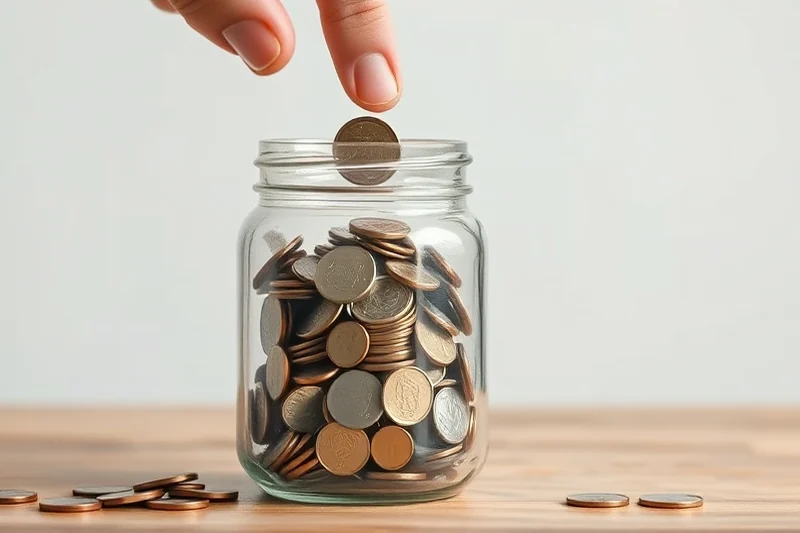
I set a target of $1,000 and used a savings app to automate $50 every paycheck. Within 12 weeks, I hit my goal — no stress, no guesswork.
Automating your savings is the easiest way to build your emergency fund. It removes the temptation to spend money you're not supposed to.
Once you have a fund in place, maintain it by reviewing your savings every month and adjusting as needed. This is a long-term habit, not a one-time task.
Automating your savings is the easiest way to build your emergency fund.
Related: Budget emergency fund building step
Adjusting for Irregular Income
As a freelancer, my income varies every month. I started saving 20% of each paycheck, which helped me build a $1,500 fund in six months.
When your income is irregular, your savings should be flexible. This means adjusting your savings percentage based on your current earnings.
I also set up a separate savings account to keep my emergency fund safe and untouched. It's a small investment in your future.
When your income varies, save a percentage of each paycheck instead of a fixed amount. This makes your emergency fund more resilient.
“Three years ago, I lost my job during a sudden corporate restructuring.”— Rainyready editors
Related: Emergency response guidebook
How to Use Windfalls to Build Your Fund

I used my annual tax refund to deposit $1,000 into my emergency fund. It cut my savings timeline in half and gave me a sense of progress.
Windfalls should be treated as a bonus for your emergency fund, not as money to spend immediately. This mindset helps you build your fund faster.
I also used a bonus from a side job to deposit $500 into my fund. It didn't require any extra effort — just a change in mindset.
Related: Budget emergency fund building guides
Maintaining and Growing Your Emergency Fund
I set a goal to maintain my $1,000 emergency fund by saving $50 every month. It's a small effort that keeps my fund intact.
Growing your emergency fund isn't just about saving more — it's about creating habits that last. I now save 15 minutes every week to track my progress and adjust my savings plan.
Maintaining your emergency fund is a long-term habit. It's not about quick wins, but about consistent, small steps that add up over time.
💰 Budget-Friendly Emergency Fund
For those with limited income, this plan focuses on saving $25 per week, using apps and tools to track progress and stay on track.
🚀 Aggressive Emergency Fund
If you want to build a $5,000 fund quickly, this plan uses high-yield savings accounts and large windfalls to accelerate your savings.
📈 Irregular Income Plan
This plan is tailored for people with fluctuating income, using a percentage-based savings approach and separate accounts to ensure consistency.
👫 Couples Emergency Fund
This plan helps couples build a shared emergency fund by splitting savings goals and using joint accounts to stay aligned.
👶 Beginner Emergency Fund
A simple, no-frills plan for those new to budgeting, focusing on small, consistent savings and easy-to-track goals.
| The mistake | Why it happens | The fix |
|---|---|---|
| Saving in a checking account | Checking accounts are meant for daily use, not emergency savings. It's easy to accidentally spend the money. | Move your emergency fund to a separate savings account that's not linked to your daily spending. |
| Not having a clear goal | Without a target, it's easy to lose focus and stop saving. Progress becomes hard to measure. | Set a specific goal, like $1,000, and track your progress each week. |
| Using the fund for non-emergency expenses | This can leave you without a safety net when you really need it. It undermines the purpose of the fund. | Only use your emergency fund for unexpected, necessary expenses like medical bills or car repairs. |
| Ignoring windfalls | Windfalls can be a great way to build your emergency fund faster, but ignoring them means missing out on free money. | Deposit windfalls like tax refunds or bonuses directly into your emergency fund as soon as you receive them. |
Related: How to disaster recovery plan
Emergency Fund Building Guides For Beginners
Related: Simple emergency fund building step by step guides
How to Choose the Right Emergency Fund Location
Selecting a secure and accessible place for your emergency fund is crucial for its effectiveness.
I’ve also experimented with using a certificate of deposit (CD) for a portion of my emergency fund, but I found that the penalties for early withdrawal often outweigh the benefits. CDs are better suited for money you won’t need for at least a year, which might not align with the goal of an emergency fund. My advice is to focus on liquid, low-risk options that provide some growth without locking your money away. I’ve found that online banks offer better rates than most local banks, so it’s worth shopping around.
Another thing to consider is the ease of access. If you need to withdraw funds quickly during a crisis, you don’t want to be stuck waiting for a check or dealing with complicated procedures. I’ve always kept my emergency fund in an account that allows immediate transfers and withdrawals. This has been a lifesaver during unexpected expenses, like car repairs or medical bills. It’s important to know exactly how long it will take to access your money in an emergency, so I’ve made a point to verify this with my bank.
Finally, I’ve learned that the right location for an emergency fund is one that doesn’t require a lot of time or effort to manage. I’ve avoided accounts with complicated fee structures or minimum balance requirements, as these can be a hassle during an already stressful time. I’ve chosen an account that allows automatic transfers from my paycheck, which helps me stay consistent with my savings goals. This system has worked for me, and I recommend it for anyone just starting out.
Tracking and Evaluating Your Emergency Fund Progress
Tracking my emergency fund was something I initially overlooked, but it became one of the most important steps in maintaining it. I started using a simple spreadsheet to record each deposit and withdrawal. This helped me stay aware of how much I was saving each month and what my overall progress looked like. It also made it easier to identify patterns, like months where I saved more due to seasonal bonuses or times when I had to dip into the fund for a minor expense.
I began setting quarterly goals for my fund, which kept me motivated and focused. For example, I aimed to increase my fund by $500 every three months. This approach not only kept me on track but also helped me understand the impact of small, consistent contributions over time. I found that reviewing my progress every three months reminded me why I started saving in the first place and kept me committed to the process.
Evaluating my fund also meant being honest about my spending habits. One time, I noticed I was dipping into my fund more frequently than I had anticipated. This led me to re-examine my budget and cut unnecessary expenses. After adjusting, my savings rate improved significantly. Tracking and evaluating your fund is not just about numbers—it's about making informed, mindful financial decisions that support your long-term goals.
Automating Your Emergency Fund Contributions
I set up automatic transfers from my checking account to a high-yield savings account dedicated to my emergency fund right after I received my first paycheck. This approach eliminated the need to manually move money each month, which I often forgot to do. Over time, these small, regular deposits added up to a substantial cushion without requiring me to think about it. Automating the process also helped me avoid the temptation to spend money that was meant for emergencies. It’s a simple but powerful strategy that anyone can use to build their fund reliably.
Setting up automatic transfers also allowed me to take advantage of compounding interest. My emergency fund account earns about 4.5% annually, which may not sound like much, but over several years it significantly boosts the total amount. I use a budgeting app that syncs with my bank to monitor these transfers and track my progress in real-time. This visibility kept me motivated and helped me stay on track with my savings goals. I’ve found that seeing the money move automatically creates a psychological shift, making saving feel less like a sacrifice and more like a habit.
Another benefit of automation is that it helps me stay disciplined during times of financial stress. When I'm facing unexpected expenses or a dip in income, the automatic contributions continue without interruption. This consistency is crucial because emergencies don’t happen at convenient times. I’ve also used this method to increase my contributions during months when I had extra income, such as bonuses or tax refunds. By linking my emergency fund to my paycheck, I’ve been able to build a reserve that I can rely on without constantly needing to make decisions about where my money should go.
Common Questions
How much should my emergency fund be?
Can I use a regular savings account for my emergency fund?
How long does it take to build an emergency fund?
What should I do if I can't save much at first?
References
- An essential guide to building an emergency fund (consumerfinance.gov)
Cite this guide
Rainyready (2026). Emergency Fund Building Guides For Beginners. https://rainyready.com/emergency-fund-building-guides-for-beginners/
Feel free to cite or share this guide.
Emergency Fund Build Plan
Sets an emergency fund target and month-by-month savings plan from essential spending.
Open it free →