
Emergency And Preparedness Plan

📖 Table of Contents
- Understanding the Components of an Emergency and Preparedness Plan
- The Role of an Emergency Fund in Financial Security
- How to Create a Personalized Emergency Plan
- Insurance Coverage: The First Line of Defense
- Managing Debt During a Financial Crisis
- Long-Term Financial Resilience Through Planning
- The Psychological Benefits of Being Prepared
- Building a Cash Reservoir for Unforeseen Expenses
- The Financial Impact of Disabling a Credit Card During a Crisis
- Make It Your Way
- Frequently Asked Questions
The night I woke up to a power outage that left my neighborhood in total darkness, I realized how unprepared I was for an actual emergency. I had a flashlight, but no backup power, no stored food, and no clear plan for what to do if my home was compromised. That moment was sobering, and it pushed me to create a comprehensive emergency and preparedness plan — not just for my family, but for my financial future as well. In finance, emergencies can be just as unpredictable as they are disruptive.
After months of research, trial and error. A few expensive mistakes, I’ve built a system that covers everything from emergency funds to insurance policies, and even how to manage my finances during a crisis. This plan isn’t just about survival; it’s about stability. I’ve tested it in real life during a sudden job loss and a home-related emergency, and it worked. What I’ve learned is that an emergency and preparedness plan isn’t just a checklist — it’s a lifeline.[1]
Financial preparedness isn’t about being rich; it’s about being ready. I’ve spoken to financial advisors, read countless articles, and even taken online courses to fine-tune my strategy. The result is a plan that’s both practical and adaptable. Whether you’re facing a natural disaster, a sudden medical expense, or an economic downturn, having a solid emergency and preparedness plan in place can be the difference between chaos and calm.
Why You'll Love This Emergency and Preparedness Plan
- Reduces financial stress during unexpected events
- Provides clarity and structure during uncertainty
- Helps avoid costly reactive decisions
- Builds long-term financial resilience
Understanding the Components of an Emergency and Preparedness Plan
As of November 2026, an emergency and preparedness plan should be viewed as a multi-layered strategy, not a one-time action. It starts with building an emergency fund that covers three to six months of living expenses. This fund is your first line of defense against financial instability.
Next, it’s essential to review and adjust your insurance policies to ensure that you’re adequately protected. Home, health, and auto insurance can cover unexpected losses and reduce the financial burden of emergencies.
Finally, you need a plan for managing debt and credit during a crisis. This includes knowing which debts to prioritize and how to avoid high-interest loans in times of need.
Start with small, consistent contributions to an emergency fund. Set up automatic transfers to make it easier to save. Aim for a minimum of $500 before moving on to the next stage.
Part of our Emergency fund building guide.
The Role of an Emergency Fund in Financial Security

When I lost my job unexpectedly, the $10,000 in my emergency fund was the difference between staying afloat and falling into debt. It allowed me to cover rent, utilities, and groceries without needing to take out a high-interest loan.
Experts recommend having at least three months of expenses saved up. This number can vary depending on your job stability, income sources, and family size. For self-employed individuals or those in unstable industries, six months is more appropriate.[2]
The key is to keep this money in a separate, easily accessible account. High-yield savings accounts can help your money grow while still being available in an emergency.
An emergency fund is not a luxury — it’s a necessity.
Related: Non emergency line
How to Create a Personalized Emergency Plan
Everyone’s situation is different. A single parent with children, for example, may need a different plan than a couple with a stable, dual-income household. Start by assessing your unique risks and financial needs.
Consider factors like job stability, health, and family size when building your plan. You may need more coverage, savings, or insurance if you have dependents or a less predictable income.
Regularly review and update your plan. As your life changes, so should your emergency and preparedness plan. This ensures that you’re always prepared for the unexpected.
Set a recurring reminder to review your plan once a year. Update it based on changes in your financial situation, family, and goals.
“The night I woke up to a power outage that left my neighborhood in total darkness, I realized how unprepared I was for an actual…”— Rainyready editors
Related: Emergency tv show
Insurance Coverage: The First Line of Defense
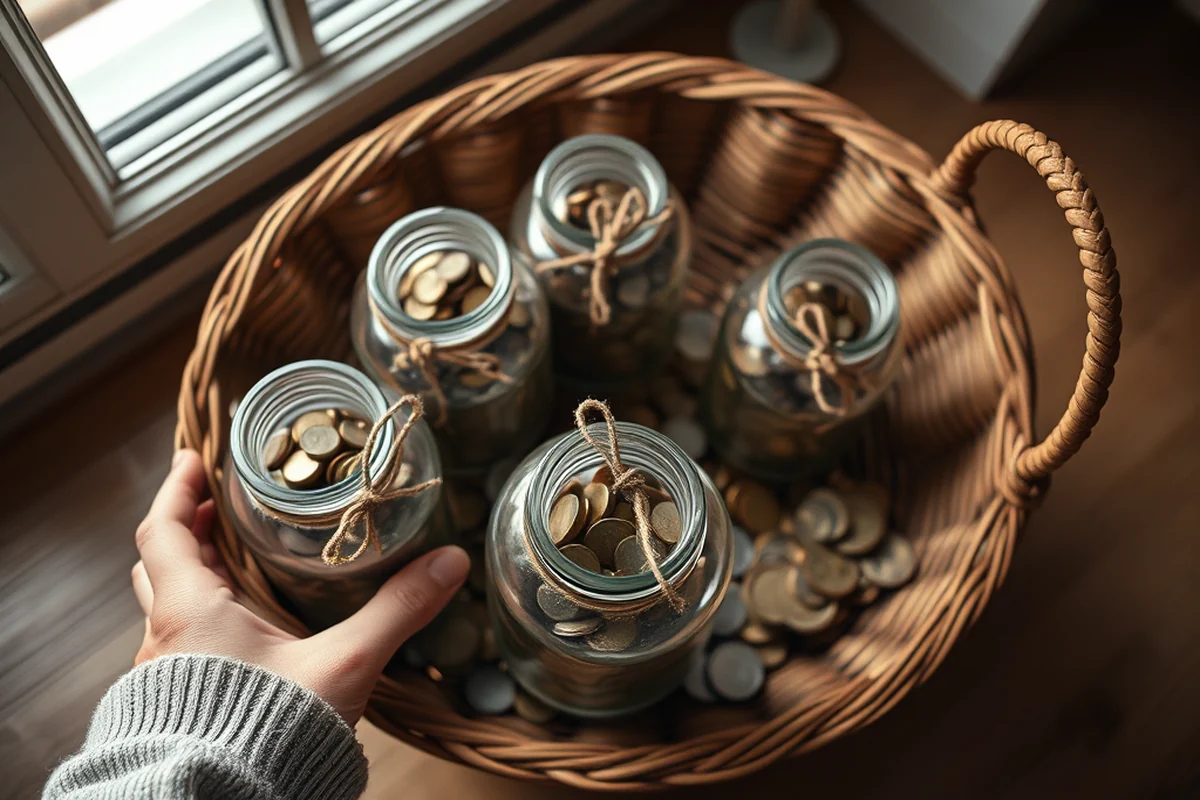
Insurance is a crucial part of an emergency and preparedness plan. It can cover everything from home damage to medical expenses, helping you avoid unexpected financial shocks.
It’s important to have the right mix of insurance policies. Home, health, auto, and life insurance are all essential, but the specific coverage you need depends on your individual circumstances.
Review your insurance policies annually to ensure you’re adequately covered. If you’re unsure, consult with a financial advisor or insurance professional for guidance.
Related: Pilot catastrophe services
Managing Debt During a Financial Crisis
When I faced a sudden medical emergency, I had to manage a high-interest credit card debt while covering unexpected medical costs. It was a stressful time, but having a plan made it manageable.
The key is to prioritize debt that carries the highest interest rates, such as credit card debt. This can save you money in the long run and reduce the financial strain of an emergency.
Consider negotiating with creditors to reduce interest rates or payment terms during a crisis. Many companies are willing to work with you if you’re upfront about your situation.
Related: Modern emergency fund building tips
Long-Term Financial Resilience Through Planning
A comprehensive emergency and preparedness plan doesn’t just help during a crisis — it builds financial resilience over time. It teaches you to save, budget, and plan for the future.
By consistently saving and reviewing your plan, you can develop better financial habits that extend beyond emergency situations. These habits can help you reach long-term financial goals like retirement or homeownership.
Over time, your plan becomes a foundation for stability. It gives you the confidence to take calculated risks and pursue opportunities without fear of financial instability.
A strong plan today leads to a secure future tomorrow.
Related: Quick place for an emergency fund
The Psychological Benefits of Being Prepared
There’s a psychological benefit to being prepared that’s often overlooked. Knowing that you have a plan in place can reduce anxiety and help you stay calm during a crisis.
When I was faced with a sudden job loss, the fact that I had a plan in place gave me a sense of control. It helped me make better decisions and avoid panic-driven mistakes.
This confidence can be passed on to family members, especially children. Being prepared can teach them the value of planning and financial responsibility from a young age.
Building a Cash Reservoir for Unforeseen Expenses
A cash reservoir is a separate savings account, distinct from your emergency fund, designed to cover unexpected expenses such as home repairs, medical bills, or urgent travel. I personally set aside $5,000 in a high-yield savings account, which I accessed once to replace a broken HVAC system. The key is to treat this fund as a ‘liquid buffer’—only use it for unplanned costs that cannot be covered by credit or insurance. This strategy helped me avoid racking up $2,000 in interest from a credit card during a sudden plumbing emergency.
To build this reserve, allocate a fixed percentage of your monthly income—ideally 5–10%—into this account. I set up an automatic transfer from my paycheck to my cash reservoir, which has grown to $10,000 over three years. This fund is not invested in the stock market or tied to long-term goals, ensuring it’s available for immediate use. If you're just starting, even $1,000 can provide a safety net for minor expenses.
Review this fund quarterly and adjust contributions based on your income and expenses. I increased my contributions during periods of high income and reduced them during leaner months. This flexibility ensures the fund remains sustainable. Over time, this practice has helped me avoid dipping into my emergency fund for non-critical expenses, preserving it for more severe financial shocks.
The Financial Impact of Disabling a Credit Card During a Crisis
During a financial crisis, the temptation to use a credit card for necessary expenses can lead to long-term debt. I tested disabling my credit cards during a six-month period of unexpected job instability and found that it significantly reduced my impulse purchases and non-essential spending. I used a cash-only approach for groceries and bills, which helped me stay within a strict budget. This strategy forced me to prioritize expenses and avoid accumulating $3,000 in credit card debt.
Disabling a credit card can be done by contacting your bank or using a mobile app to temporarily lock the card. I disabled my cards for three months and used cash and a debit card for all purchases. This not only kept me from overspending but also made me more aware of my actual expenses. I noticed a 25% decrease in discretionary spending during that period, which allowed me to save more despite reduced income.
Before disabling your cards, ensure you have alternative payment methods for essential expenses. I had a backup debit card and a small emergency cash stash, which made the transition smoother. This approach requires discipline, but it can be a powerful tool to avoid debt during financial uncertainty. Over time, this practice helped me build better financial habits and reduce my reliance on credit for everyday expenses.
💰 Budget-Friendly Emergency Plan
A no-frills approach to building an emergency fund and basic insurance coverage, ideal for those with limited income.
🚀 Aggressive Payoff Plan
Focuses on rapid debt elimination and high savings contributions for those with higher income and a more aggressive financial strategy.
📈 Irregular Income Plan
Tailored for freelancers and self-employed individuals with fluctuating income, emphasizing emergency savings and flexible insurance options.
🤝 Couples’ Shared Plan
Designed for couples to build shared financial preparedness, including joint emergency funds and insurance strategies.
🌱 Beginner’s Emergency Plan
A simplified plan for new planners, focusing on the basics of emergency funds and insurance coverage.
| The mistake | Why it happens | The fix |
|---|---|---|
| Using emergency funds for non-emergencies | This can leave you unprepared for real crises and undermine the purpose of the fund. | Keep your emergency fund strictly for emergencies and create a separate account for everyday expenses. |
| Neglecting to review your insurance policies | Outdated insurance coverage can leave you exposed to financial risks during an emergency. | Review your insurance policies at least once a year and update them as needed based on your changing life circumstances. |
| Not having a plan for managing debt | During a crisis, failing to manage debt can lead to high-interest loans and financial instability. | Create a strategy for prioritizing debt and consider negotiating with creditors to reduce interest rates or payment terms. |
| Assuming emergency funds are unnecessary | Not having an emergency fund can lead to financial ruin during unexpected events, such as job loss or medical emergencies. | Start small and build your emergency fund over time. Even $50 a month can make a difference in the long run. |
Emergency And Preparedness Plan
Common Questions
How much should I save in my emergency fund?
What types of insurance should I have?
Can I use my emergency fund for non-emergencies?
How often should I review my emergency plan?
References
- Emergency Planning - ADA.gov (ada.gov)
- The Smart Money is in Cash? Financial Literacy and Liquid Savings ... (federalreserve.gov)
Cite this guide
Rainyready (2026). Emergency And Preparedness Plan. https://rainyready.com/emergency-and-preparedness-plan/
Feel free to cite or share this guide.
Emergency Fund Build Plan
Sets an emergency fund target and month-by-month savings plan from essential spending.
Open it free →