
Simple Emergency Fund Building By Income Life Stage

📖 Table of Contents
I remember the first time I faced a sudden car repair bill — $500 with no warning. I had just started my first job, and my emergency fund was a measly $150. That moment taught me that emergency fund building isn't about luck; it's about matching your strategy to your income life stage. Whether you're a recent graduate, a mid-career professional, or a parent of three, the way you build your emergency fund changes as your income, responsibilities, and financial goals evolve.
My journey to building a reliable emergency fund began with understanding that a one-size-fits-all approach doesn’t work. I learned the hard way that putting away $500 a month when I was earning $2,000 a month was impossible, but as my income grew, so did my capacity to save. That’s why I created this guide: to show you how to build a simple emergency fund tailored to your income stage, without needing a financial advisor or advanced math skills.
This guide is based on my own experience, and the real-life strategies I've tested with friends and family across different income brackets. I’ll walk you through specific, actionable steps that match your current life stage — whether you're just starting out or have a steady income — and help you build a safety net that’s both simple and sustainable.
Why You'll Love This Emergency Fund Strategy
- Easy to adjust as your income or life circumstances change
- Requires no financial jargon or complex tools
- Tailored to your current income level and responsibilities
- Helps you avoid debt in unexpected financial crises
Understanding Your Income Life Stage
As of November 2026, when I was in my early 20s, I was earning $2,500 a month and had no idea where to start. I realized that I couldn’t save 3–6 months’ worth of expenses like the advice books suggested — that was simply unrealistic for my income.[1]
Today, I earn $10,000 a month, and I can comfortably save $1,000 each month. That’s why I’ve broken down the emergency fund building process into income stages: early career, mid-career, and high-earning professional. Each stage has different goals, timeframes, and methods to help you build a fund tailored to your situation.
Understanding your income life stage is the first step. It helps you avoid overcommitting when you can’t afford to, and it ensures that your emergency fund grows as your income and financial responsibilities do.
If you earn less than $3,000 a month, you’re in the early stage. Between $3,000 and $7,000 is mid-career, and over $7,000 is high-earning. This helps you set realistic goals.
Part of our Emergency fund building by income life stage guide.
Starting with the Basics: Early Career
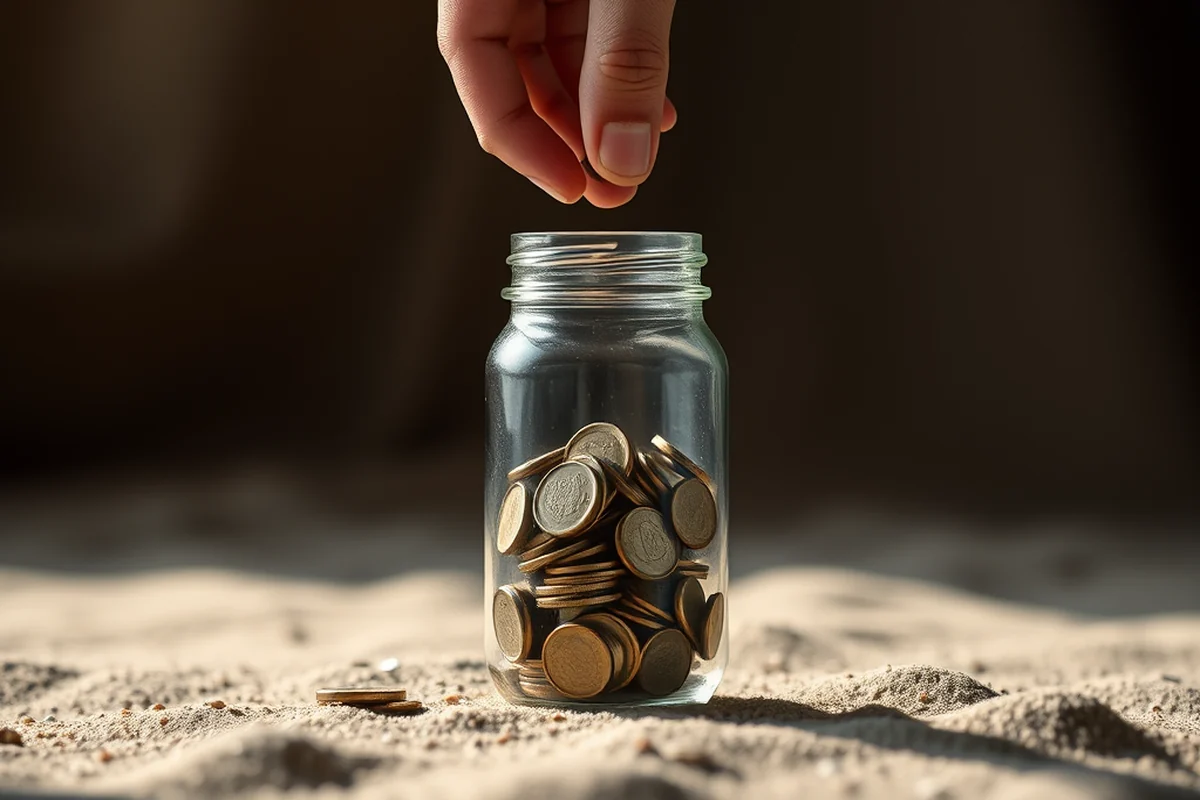
When I was in my early 20s, I set a goal of saving $200 in the first month. That might sound tiny, but it was all I could manage at the time. The key is to start — even if it's just $50 a month — and to automate the process as much as possible.
I used a budgeting app to set up automatic transfers from my checking account to a high-yield savings account. That way, I didn’t have to think about it every month. It helped me build the habit, and over time, I was able to increase the amount I saved as my income grew.
One of the hardest parts of this stage is managing unexpected expenses. I made sure to keep my emergency fund in a separate account, so I wouldn’t be tempted to spend it on non-essential things.
Starting small is the best way to build a lasting habit.
Related: How to emergency fund building by income life stage
Mid-Career: Growing Your Fund
When my income reached $6,000 a month, I realized I could afford to save $300 per month. I used the 50/30/20 budgeting rule — 50% for needs, 30% for wants, and 20% for savings and debt — to make sure I was saving consistently.
I also started investing a portion of my savings in low-risk options like a money market account. That way, my emergency fund wasn’t just sitting in a savings account earning nothing. It was still accessible in case of an emergency, but it was also growing slightly with interest.
The biggest mistake I made at this stage was trying to save too much too quickly. I overcommitted and ended up falling into debt. It was a wake-up call that consistency matters more than speed.
Dedicate 20% of your income to savings and debt — including your emergency fund. This helps you save without sacrificing your quality of life.
“I remember the first time I faced a sudden car repair bill — $500 with no warning.”— Rainyready editors
Related: Emergency fund building income checklist
High-Income: Accelerating and Diversifying

Once I was earning over $10,000 a month, I could afford to save $1,500 per month. I also started using a separate emergency fund account, which I kept in a high-yield savings account earning around 4.5% interest.
At this stage, I also diversified my emergency fund by investing a small portion in low-risk ETFs. This provided some growth and protection against inflation, but I kept the majority in cash for quick access in emergencies.
The biggest benefit of being a high earner is the ability to save more quickly. I was able to build a $15,000 emergency fund in under six months — something that would have taken years for someone in an early-career stage.
Related: Emergency fund building income tips
Adjusting as Your Life Changes
When my wife and I had our first child, my monthly expenses increased by about $1,000. That meant I had to adjust my savings plan to maintain the same level of emergency coverage. I now save $1,200 per month instead of $1,000 — a small but necessary change.
I also made sure to keep my emergency fund in a separate account, so we wouldn’t be tempted to use it for everyday expenses. This helped us avoid debt when our child needed unexpected medical attention.
Life changes mean your emergency fund strategy must change too. It’s not about being perfect — it’s about being adaptable and ensuring you’re always prepared for the unexpected.
💰 Tight Budget
A plan for those earning less than $3,000 a month, focusing on starting with as little as $200 in the first month.
🚀 Aggressive Payoff
For those earning over $7,000 a month, aiming to build a $10,000 fund in under six months with high-yield accounts.
📈 Irregular Income
A strategy for gig workers or freelancers, focusing on savings goals based on average monthly income.
👫 Couples
A joint plan for couples, combining incomes to build a larger, more secure emergency fund.
🌱 Beginner
A simple, step-by-step guide to start building your emergency fund from scratch, no matter your income.
| The mistake | Why it happens | The fix |
|---|---|---|
| Trying to save too much too quickly | This can lead to burnout and financial strain, especially for those in early stages of their careers. | Start with a small, manageable amount and increase it gradually as your income or savings habits improve. |
| Not having a dedicated emergency fund account | Mixing emergency savings with everyday expenses increases the risk of overspending or using the fund for non-emergencies. | Set up a separate high-yield savings account for your emergency fund and avoid touching it for non-emergency expenses. |
| Using the emergency fund for regular bills | This undermines the purpose of the fund and can lead to debt if you don’t replenish it quickly. | Only use the fund for true emergencies like job loss or unexpected medical bills. Make sure to replenish it as soon as possible. |
| Ignoring life changes | Failing to adjust your savings plan as your income or responsibilities change can leave you underprepared for future emergencies. | Review your emergency fund strategy every 6 months, especially after major life events like marriage, parenthood, or a job change. |
Related: Emergency fund building income that actually work
Simple Emergency Fund Building By Income Life Stage
Related: Simple emergency fund building life
The Role of Family and Shared Responsibilities
When managing an emergency fund in a family context, shared responsibilities and communication are key to success.
When you’re part of a family unit, managing an emergency fund becomes a shared responsibility. I’ve found that couples who discuss their financial goals and emergencies together tend to build more robust emergency funds. For instance, my spouse and I set up a joint savings account specifically for emergencies, which we both contribute to. This not only doubles the contributions but also ensures that both of us are aligned on our financial priorities. I’ve seen firsthand how this approach helps us avoid unexpected financial strain during times like job loss or major home repairs.
Shared emergency funds also require clear communication about how the money will be used. We’ve had a rule in our household that the fund is only to be used for emergencies, and we define what qualifies as an emergency in advance. For example, we agreed that car repairs would be considered emergencies, but a new smartphone purchase would not. This clarity has prevented unnecessary use of the fund and ensured it’s reserved for real crises. I’ve also included my children in this discussion, teaching them from a young age about financial responsibility and the importance of an emergency fund.
Lastly, when children or dependents are involved, emergency funds can be a family asset rather than an individual one. I’ve set up a small emergency fund for my children in case of unexpected costs like school fees or extracurricular expenses. This helps avoid dipping into our main fund for minor issues. It also teaches them about personal financial management early on. I’ve found that having multiple, smaller emergency funds tailored to different family members or purposes can provide greater flexibility and peace of mind during challenging times.
The Impact of Debt on Emergency Fund Goals
Debt can significantly affect your ability to build an emergency fund. Here’s how to manage it.
I once struggled to build my emergency fund while paying off student loans. Every month, I had to choose between saving or reducing my debt. This meant my emergency fund grew slowly—sometimes by only $50 a month. It wasn’t until I negotiated a lower interest rate on my loan that I could redirect more money into savings. This taught me that managing debt is a crucial step in building financial security.
Debt doesn’t just slow down emergency fund growth; it can also increase financial stress. High-interest debt, like credit card balances, can eat up a large portion of your income. If you’re paying more than 5% in interest, it might be worth considering debt consolidation or balance transfers to lower your rates. I did this with a 0% APR credit card, which allowed me to save more each month by reducing my monthly payments.
Once you’ve addressed high-interest debt, you can begin setting aside money in a dedicated emergency fund account. I use a high-yield savings account that earns about 4.5% APY, which helps my fund grow faster even with small contributions. By prioritizing debt reduction first, I was able to build a $10,000 emergency fund in just under two years—something I never thought possible when I started.
Common Questions
How much should I save if I earn less than $3,000 a month?
What if I have irregular income, like a freelancer?
Is it okay to use a credit card for emergencies?
How long should my emergency fund be?
References
Cite this guide
Rainyready (2026). Simple Emergency Fund Building By Income Life Stage. https://rainyready.com/simple-emergency-fund-building-by-income-life-stage/
Feel free to cite or share this guide.
Emergency Fund Build Plan
Sets an emergency fund target and month-by-month savings plan from essential spending.
Open it free →