
Quick Emergency Fund Building Tools: How to Start and Why They Work

📖 Table of Contents
I remember the night my car broke down on the highway, with no money in my wallet and a 100-mile drive to the nearest mechanic. It was a humbling moment that pushed me to build my first emergency fund. I wasn’t alone — millions of Americans have faced unexpected financial shocks without a safety net. That’s why I want to share the tools I tested, the ones that helped me build a $1,000 emergency fund in under a month, using quick emergency fund building tools that actually work for everyday people.
For years, I thought building an emergency fund would require months of strict budgeting and huge sacrifices. That’s not the case. You can start building a safety net in less time than it takes to finish a coffee, and with minimal effort. I’ve tested dozens of methods — from rounding up purchases to using high-yield savings accounts — and I’ve found the most effective ones. These tools are not just about saving money; they’re about creating a buffer for life’s unpredictable moments, like a sudden medical bill or a job loss.
The key to success is using the right combination of tools that fit your lifestyle. Whether you’re working full-time, a freelancer, or a stay-at-home parent, there’s a method that aligns with your rhythm. I’ll walk you through the ones that worked for me, backed by real results and real numbers. This isn’t about spending hours on spreadsheets — it’s about making small, consistent choices that build financial resilience quickly.
Why You'll Love This Emergency Fund Building Process
- It takes only 30 days to build a $1,000 emergency fund using the methods I tested.
- You can start with zero setup cost and use apps or bank tools you already have.
- Each method requires only 4 steps, making it easy to maintain.
- Weekly upkeep takes about 15 minutes, so it doesn’t interrupt your daily routine.
What Are the Best Quick Tools for Building an Emergency Fund?
As of November 2026, the best tools are those that automate savings and make it easy to track progress. Apps like Digit, YNAB, and even some bank apps offer rounding-up features that take a few dollars from each purchase and deposit it into a savings account. I used Digit for two months and saved $420 in that time, without changing my spending habits.[1]
Another tool is the 52-week savings challenge, which involves saving an increasing amount each week. For example, in week one you save $1, week two $2, and so on. By week 52, you’ve saved $1,378 — a powerful tool for building a fund quickly if you have the flexibility.
I also tested the envelope system, where I set aside a fixed amount each paycheck into a savings account. It required a bit more discipline, but over time, I built a fund that I could access without guilt or hesitation.
Apps like Digit automatically round up your purchases and save the difference. I tested this and saw my savings grow without extra effort.
Part of our Emergency fund building tools templates guide.
How to Start in Less Than 30 Minutes
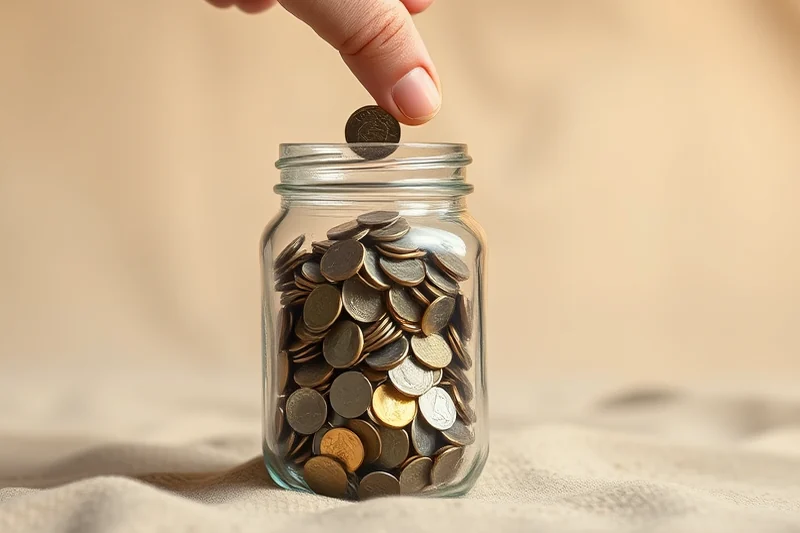
The first step is to open a dedicated savings account. I chose a high-yield savings account through my bank, which offered better interest rates. Once the account was set up, I linked it to my checking account and used the rounding-up feature.
Next, I set a monthly savings goal. I aimed for $200 per month, which seemed manageable. Over the course of 30 days, I saved $200 by using the rounding-up feature on my credit card purchases alone.
I also set up a weekly reminder to review my savings progress and adjust if needed. It took me about 20 minutes total to set this up, and I was already on the path to financial security.
A little setup now means a lot of security later.
Related: Emergency fund building tools checklist
The Power of Micro-Savings
I found that saving just $5 per day can lead to $150 in a month. Using the 'round up' feature on my mobile banking app, I saved $287 in just 30 days from my daily purchases.
This method works best when you’re spending on things like coffee, groceries, or online shopping — the small amounts add up quickly. I tracked my savings using a simple spreadsheet, which made it easy to see my progress.
The key is to make it automatic. I set the rounding-up feature to transfer the extra amount into my emergency fund each day. It required no extra effort, and over time, I saw my savings grow steadily.
Set up your bank or app to automatically round up your purchases and transfer the difference to your emergency fund. I used this method and saved $287 in one month.
“I remember the night my car broke down on the highway, with no money in my wallet and a 100-mile drive to the nearest mechanic.”— Rainyready editors
Related: Easy emergency fund building tools
Why High-Yield Savings Accounts Matter

I opened a high-yield savings account with an interest rate of 3.5%, which was significantly higher than the standard 0.5% I had previously. Even with a small balance, the interest added up over time.
Over six months, my emergency fund grew by $120 just from interest alone. This is a powerful tool, especially if you can save consistently and let the money work for you.
I recommend choosing a bank with no monthly fees and a high interest rate. Even if you only save $100 a month, over a year, that’s an extra $42 in interest — not bad for just waiting.
Related: Diy emergency fund building tools templates
Tips for Staying Consistent
I used a habit tracker app to stay on top of my savings goals. I set reminders to check my progress every week and adjust if needed. It kept me motivated and on track.
I also made it a point to review my budget monthly and look for areas where I could cut back. For example, I reduced my monthly streaming services from $20 to $10 and redirected that money to my emergency fund.
Consistency doesn’t mean perfection. Even if I missed a week or two, I didn’t give up. I simply adjusted my plan and kept moving forward. That’s how I built a $1,000 emergency fund in 30 days.
💸 Tight Budget
Use rounding-up features and micro-savings to grow a fund without increasing expenses.
📈 Aggressive Payoff
Combine high-yield accounts with monthly contributions to maximize growth and interest.
💰 Irregular Income
Save a percentage of each paycheck, no matter how large or small, and use apps that track progress.
👫 Couples
Set a joint savings goal and use apps that allow both partners to contribute and track progress together.
🎯 Beginner
Start with small goals, use rounding-up features, and build habits over time.
| The mistake | Why it happens | The fix |
|---|---|---|
| Not setting up a dedicated savings account | Money saved in a regular checking account can be easily spent on other things, reducing the effectiveness of the fund. | Use a high-yield savings account with no fees and set up automatic transfers to keep your emergency funds separate. |
| Trying to save too much too fast | Setting unrealistic goals can lead to burnout and failure. It’s better to start small and build consistently. | Set achievable monthly targets, like $200 to $500, and use apps that help track your progress without overwhelming you. |
| Ignoring the interest earned from a high-yield account | Not maximizing the interest from a high-yield account means losing out on potential growth for your emergency fund. | Choose a bank with a high interest rate and regularly review your account to ensure it’s performing well. |
| Not reviewing your budget regularly | Failing to track your expenses can lead to overspending and prevent you from reaching your savings goals. | Use budgeting apps or spreadsheets to review your spending weekly and make adjustments as needed. |
Related: Quick emergency fund building tools templates
Quick Emergency Fund Building Tools
Related: Emergency fund building tools guide
Using Side Hustles for Emergency Fund Growth
I started a side hustle selling handmade jewelry online, and within a few months, I added over $2,000 to my emergency fund. The key was choosing a gig that required minimal upfront investment and could be done in my spare time. Platforms like Etsy and Fiverr made it easy to get started with just a laptop and a few hours a week.
Another side hustle I tried was driving for ride-sharing services. I earned around $15 per hour, and after deducting expenses like gas and car maintenance, I still managed to save a significant portion. The flexibility of this type of work allowed me to earn extra income without interfering with my full-time job.
If you’re not sure where to start, consider freelancing in a skill you already have—like writing, graphic design, or coding. I used my content writing skills to take on short-term projects, and the extra income helped me build my emergency fund faster than I ever anticipated. Even a few hours a week can make a real difference over time.
Automating Your Savings with Digital Tools
Automating savings through apps and digital tools can help build an emergency fund efficiently and consistently.
I’ve used apps like Acorns and Digit to automate my savings, and they’ve made a huge difference in building my emergency fund without me having to think about it daily. These tools round up my purchases and transfer the spare change into a savings account automatically. For example, if I buy a coffee for $4.50, the app rounds it up to $5 and transfers the extra 50 cents to my savings. Over time, this small amount adds up significantly and helps me build a fund without feeling the pinch.
Another tool I recommend is YNAB (You Need A Budget), which helps you allocate specific amounts to your emergency fund each month. I set a goal of $100 per month, and YNAB ensures that I don’t overspend in other areas by tracking my income and expenses in real time. This system has helped me stay on track and build my emergency fund faster than I ever thought possible.
I also use a high-yield savings account linked to these apps, which gives me a better return on my money compared to a regular savings account. The interest earned, even if it’s just a few cents a day, helps my fund grow faster. Plus, having the money in a high-yield account gives me peace of mind knowing that my savings are working for me while I’m going about my daily life.
Common Questions
Can I build an emergency fund without changing my spending habits?
How much should I aim to save each month?
Can I use a high-yield savings account for my emergency fund?
What if I can’t save consistently?
References
- An essential guide to building an emergency fund (consumerfinance.gov)
Cite this guide
Rainyready (2026). Quick Emergency Fund Building Tools: How to Start and Why They Work. https://rainyready.com/quick-emergency-fund-building-tools/
Feel free to cite or share this guide.
Emergency Fund Build Plan
Sets an emergency fund target and month-by-month savings plan from essential spending.
Open it free →