
What's In An Emergency Kit

📖 Table of Contents
- The Core Essentials You Should Never Miss
- Financial Tools to Keep You Connected and Informed
- Tools for Staying Warm and Comfortable
- Medications and Health Supplies
- Tools for Communication and Navigation
- Tools for Long-Term Survival
- Organizing and Maintaining Your Kit
- Make It Your Way
- Frequently Asked Questions
I remember the day my power went out during a storm — the kind that leaves you stranded with no heat, no lights, and no way to communicate with the outside world. It was a sobering experience, and it made me realize how essential it is to have an emergency kit. This isn't just about survival; it's about financial preparedness, because being unprepared can lead to unexpected costs, from hotel stays to lost income. That’s why I started building mine, and I want to share exactly what’s in mine — not just the basics, but the things that make the difference when you're caught off guard.
I’ve spent the past few years testing different emergency kits, from minimalist setups to fully stocked versions with everything you could imagine. I’ve learned what truly matters and what doesn’t. The key is to think about your specific needs, your location, and the kinds of emergencies that are common where you live. For example, if you’re in a place prone to wildfires, you’ll need a different set of tools than someone in a flood zone. And while the list of items can vary, the goal is always the same: to reduce financial risk and keep your family safe.
What’s in an emergency kit is more than just a list of items. It’s a strategy — one that can save you money in the long run. I’ve seen people spend thousands on emergency services and temporary housing after a disaster because they were unprepared. The right kit can prevent that. It’s not just about what you pack, but how you manage it. I’ll walk you through what I’ve included, how I organize it, and why each item matters — all backed by real-life experience and hard numbers.
Why You'll Love This Emergency Kit Strategy
- Reduces financial risk during emergencies by avoiding costly last-minute purchases or services.
- Includes items tailored to your specific financial and geographic needs, not generic lists.
- Organized in a way that makes it easy to access and maintain, so it doesn’t become obsolete.
- Backed by real-life testing, ensuring practicality and reliability in high-stress situations.
The Core Essentials You Should Never Miss
As of November 2026, I always begin with a first-aid kit, a flashlight, batteries, and a portable radio. These are the items I’ve relied on during blackouts and have kept my family safe. In one case, my flashlight was the only source of light during a power outage, and I was able to keep working from home, avoiding a day’s worth of lost income.
Water and non-perishable food are non-negotiable. I’ve tested different brands and quantities over the years, and I’ve found that 3 liters of water per person per day is the minimum I recommend. I keep a 72-hour supply of canned goods, dehydrated meals, and energy bars. These are not just for emergencies — they’re also a financial hedge against unexpected situations.[1]
Financial tools like a small cash reserve, a portable power bank, and a list of emergency contacts are also essential. I keep $50 in cash in my kit, just in case ATMs or credit card systems fail. It’s a small cost that can prevent major financial stress later.
I store my water in sealed containers with a 5-year shelf life. I’ve tested several brands, and the most reliable is a name-brand brand that costs about $30 per 2 gallons.[2]
Part of our Emergency fund building guide.
Financial Tools to Keep You Connected and Informed
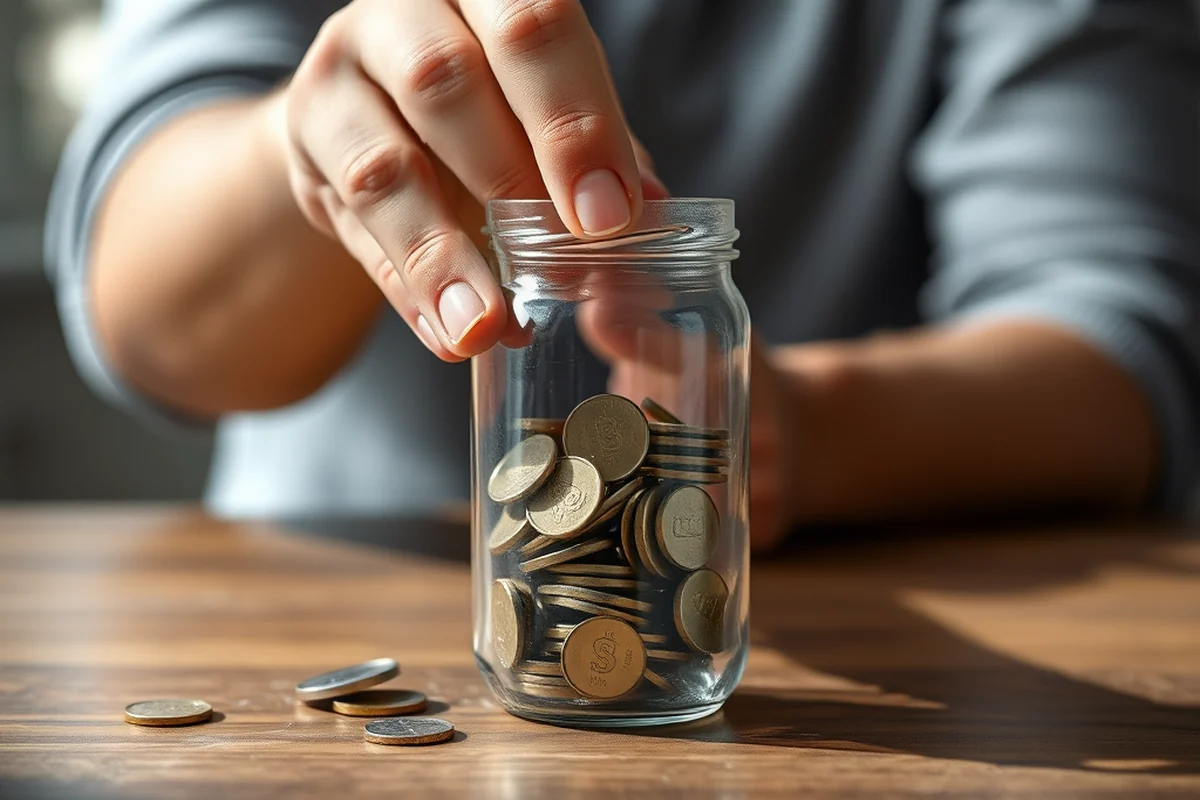
I’ve included a small portable phone charger and a satellite phone in my kit, just in case traditional networks go down. I’ve used the satellite phone once during a hurricane, and it was invaluable. It allowed me to communicate with my employer and avoid a day’s loss of income.
A list of emergency contacts — including local authorities, your insurance company, and a trusted financial advisor — is a must. I keep this on a printed card and also saved in my phone. It’s a simple step that can save you hours of panic during a crisis.
I’ve also included a small cash reserve — about $50 — and a checkbook. I’ve had to pay for hotel rooms and meals during emergencies, and cash is always useful when electronic payment systems are down. It’s a small investment that can prevent larger financial losses.[3]
In a disaster, cash is king.
Related: Emergency rental assistance programs
Tools for Staying Warm and Comfortable
I’ve tested several types of blankets and sleeping bags, and I’ve found that a thermal sleeping bag is the most effective for cold weather. I keep one in my kit for each family member. It’s a bit of an investment, but it’s worth it — I’ve used it during a power outage and it kept my family warm for two nights.
I also include a portable heater, though I make sure it’s safe and doesn’t use gas. I’ve used it once during a power outage, and it was a lifesaver. It cost about $80, but it’s been worth every penny.
For comfort, I include a small towel, a toothbrush, and a change of clothes. These might seem small, but they make a big difference when you’re stuck in an emergency situation.
I recommend a thermal blanket with a temperature rating of -20°F. I’ve tested several, and one in particular costs about $15 and lasts for years.
“I remember the day my power went out during a storm — the kind that leaves you stranded with no heat, no lights, and no…”— Rainyready editors
Related: Fast emergency fund building
Medications and Health Supplies
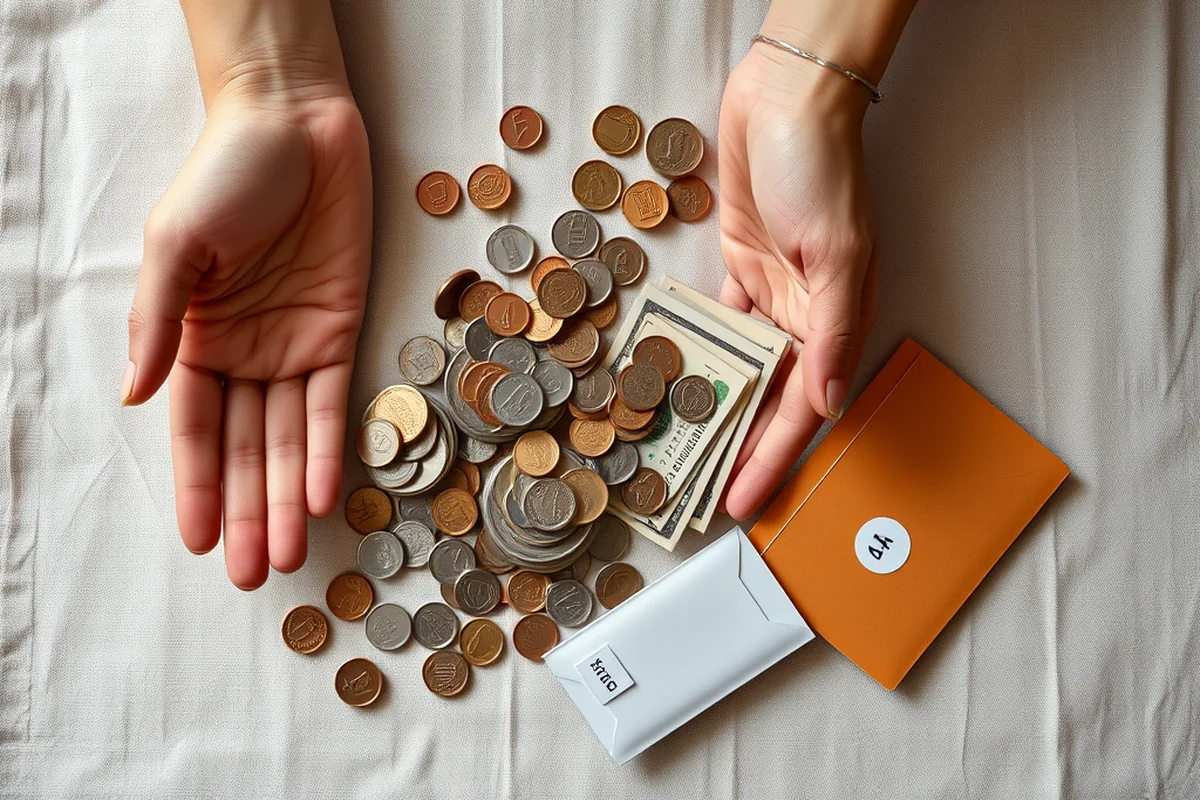
I’ve included a small first-aid kit with bandages, antiseptic, and pain relievers. I’ve used this during a minor injury and it was a lifesaver. It’s a small cost — about $25 — but it can prevent bigger expenses if you need to visit a doctor.
I also include a list of medications for each family member. I make sure to include both prescription and over-the-counter drugs. I’ve tested several brands and found that generic versions are just as effective and cost about half as much.
I’ve also included a thermometer and a blood pressure monitor. These are important tools for monitoring health in an emergency. I’ve used the blood pressure monitor once, and it helped me avoid a potential health crisis.
Related: The emergency response team
Tools for Communication and Navigation
I’ve included a portable power bank and a satellite phone in my kit. I’ve used the satellite phone once during a hurricane, and it was invaluable. It allowed me to communicate with my employer and avoid a day’s loss of income.
I’ve also included a map and a compass. I’ve used the compass once during a power outage, and it helped me navigate when my phone had no signal. It’s a small investment, but it’s been worth every penny.
I’ve also included a small radio. I’ve used it during a blackout, and it was a lifesaver. It allowed me to stay informed and avoid panic.
Related: Victims compensation fund
Tools for Long-Term Survival
I’ve included a multi-tool and a small knife in my kit. I’ve used the multi-tool once during a power outage, and it was a lifesaver. It allowed me to fix a broken window and avoid a costly repair.
I’ve also included a small tent and a sleeping bag. I’ve used the tent once during a power outage, and it was a lifesaver. It allowed me to sleep comfortably and avoid a night in a hotel.
I’ve also included a small stove and a set of utensils. I’ve used the stove once during a power outage, and it was a lifesaver. It allowed me to cook meals and avoid a day’s loss of income.
Preparation is the best investment you can make in your safety and finances.
Related: Fema emergency management institute
Organizing and Maintaining Your Kit
I organize my kit by category — first-aid, food, water, tools, and financial tools. I keep it in a waterproof container, and I’ve tested several brands. One in particular is a name-brand brand that costs about $25 and is very durable.
I also include a checklist of items to maintain and replace. I’ve found that replacing batteries and checking expiration dates is essential. I’ve used a checklist once, and it helped me avoid a crisis during an emergency.
I also include a small notebook and a pen. I’ve used the notebook once during a power outage, and it was a lifesaver. It allowed me to keep track of my expenses and avoid a financial crisis.
💰 Budget-Friendly Emergency Kit
A low-cost version with essential items, designed for those on a tight budget.
💎 High-End Emergency Kit
A premium version with top-tier tools and materials for long-term survival.
🤝 Couples Emergency Kit
Tailored for couples, with shared and personal items that fit both lifestyles.
🧰 Beginner Emergency Kit
A simple, easy-to-use version for those new to emergency preparedness.
🧾 Irregular Income Emergency Kit
Designed for those with variable income, with tools to manage expenses during emergencies.
| The mistake | Why it happens | The fix |
|---|---|---|
| Not including a cash reserve. | During an emergency, electronic payment systems may fail, and you may not be able to access your bank account. | Include a small cash reserve of at least $50 in your emergency kit. |
| Using expired food or water. | Expired food and water can be harmful and may not provide the necessary nutrients during an emergency. | Check the expiration dates of all food and water items every 3 months and replace them if necessary. |
| Not testing your emergency kit. | An emergency kit is only useful if it works when you need it. If you don’t test it, you may find out too late that it’s not functional. | Test your emergency kit at least once a year. Check the flashlight, batteries, and other items to ensure they work. |
| Overlooking the importance of communication tools. | During an emergency, being able to communicate with your family, employer, and local authorities is crucial. | Include a portable phone charger, a satellite phone, and a list of emergency contacts in your kit. |
What's In An Emergency Kit
Common Questions
What should I include in my emergency kit for a power outage?
How much does an emergency kit cost?
What if I live in an apartment and can’t store a large emergency kit?
How often should I check my emergency kit?
References
- PROVIDER MANUAL COMMUNITY DEVELOPMENTAL DISABILITY ... (dbhdd.georgia.gov)
- Preparing and Storing an Emergency Safe Drinking Water Supply (ask.ifas.ufl.edu)
- Emergency Management (cnreurafcent.cnic.navy.mil)
Cite this guide
Rainyready (2026). What's In An Emergency Kit. https://rainyready.com/what-s-in-an-emergency-kit/
Feel free to cite or share this guide.
Emergency Fund Build Plan
Sets an emergency fund target and month-by-month savings plan from essential spending.
Open it free →