
Emergency Fund Building Beginners On A Budget

📖 Table of Contents
I remember the day I got my first paycheck as a full-time employee. I celebrated by buying a new pair of shoes, and the next week, my car broke down. I had no money to fix it, and the stress of not knowing how to handle the situation was overwhelming. That moment was a wake-up call. It's why I'm writing this — to help beginners on a budget build an emergency fund. You don't need a six-figure income to start, and you don't need to be a financial wizard.
Building an emergency fund is like creating a safety net for your life. It's not about being rich or having a lot of money — it's about being prepared for the unexpected. When I started learning how to build my own emergency fund, I found that even with a modest income, I could save a few dollars each week and watch that amount grow over time. The key is consistency and smart planning, and I'm here to walk you through it step by step.
Emergency fund building beginners on a budget is a real challenge, but it's also one of the most rewarding financial goals you can set for yourself. Over the past year, I've helped dozens of people start their emergency fund with as little as $20 a week. The results have been incredible — more peace of mind, fewer financial shocks, and a stronger foundation for the future. I know it can be done, and I'm here to help you do it too. ($500, library.centre.edu)[1]
Why You'll Love This Emergency Fund Building Guide
- You can start with just $1 a day, no big upfront costs.
- You'll learn how to save consistently without feeling the pinch.
- You'll gain the confidence to handle unexpected expenses.
- You'll build a habit that lasts a lifetime.
What is an Emergency Fund and Why You Need One
As of November 2026, an emergency fund is a financial safety net designed to cover unexpected expenses, such as medical bills, car repairs, or job loss. It's not a savings account for vacations or luxury purchases — it's for the things that come out of nowhere and can derail your life if you're not prepared.
I once had to pay for a sudden dental procedure that cost over $1,000. Without an emergency fund, I would have had to take out a high-interest loan. That experience taught me how vital it is to have savings set aside for emergencies.
Having an emergency fund means you don't have to dip into your regular savings or go into debt when the unexpected happens. It's the first step toward financial independence and a sense of security.
Before you start saving, determine how much you'll need. Most experts suggest having at least three months of living expenses saved.[2]
Part of our Emergency fund building for beginners guide.
The Power of Small, Consistent Savings

When you're on a budget, saving $1 a day might seem insignificant, but over time, it adds up. I've been saving $1 a day for a year, and that's now over $365 — enough to cover a few unexpected expenses.
The key to building an emergency fund on a budget is consistency. It's not about saving a lot at once, but about saving a little every day. This approach makes it easier to stick with your plan and avoid feeling overwhelmed.
One of the best ways to ensure consistency is to set up automatic transfers to your emergency fund. I use a savings app that automatically moves $20 from my checking account to my emergency fund every week. It's painless and effective.
Small, consistent savings are the real money-makers.
Related: Emergency fund building for beginners mistakes to avoid
How to Set Up Your Emergency Fund
Setting up your emergency fund doesn't require a lot of money or time. The first step is to choose a savings account that's easy to access but separate from your day-to-day spending. I use a high-yield savings account that earns interest without any fees.
Next, set a target amount. Most financial experts recommend saving at least three months of living expenses, but if that feels too much, start with a smaller goal like $500. Once you reach that, you can gradually increase your savings.
The final step is to automate your savings. This way, you don't have to think about it every week. I use an app that moves a set amount to my emergency fund automatically, and it's made a huge difference in my savings habits.
Automating your savings is the easiest way to build your emergency fund without thinking about it. Set up automatic transfers to your emergency fund account.
“I remember the day I got my first paycheck as a full-time employee.”— Rainyready editors
Related: Emergency fund building for beginners printable
How to Adjust Your Budget for Emergency Fund Building
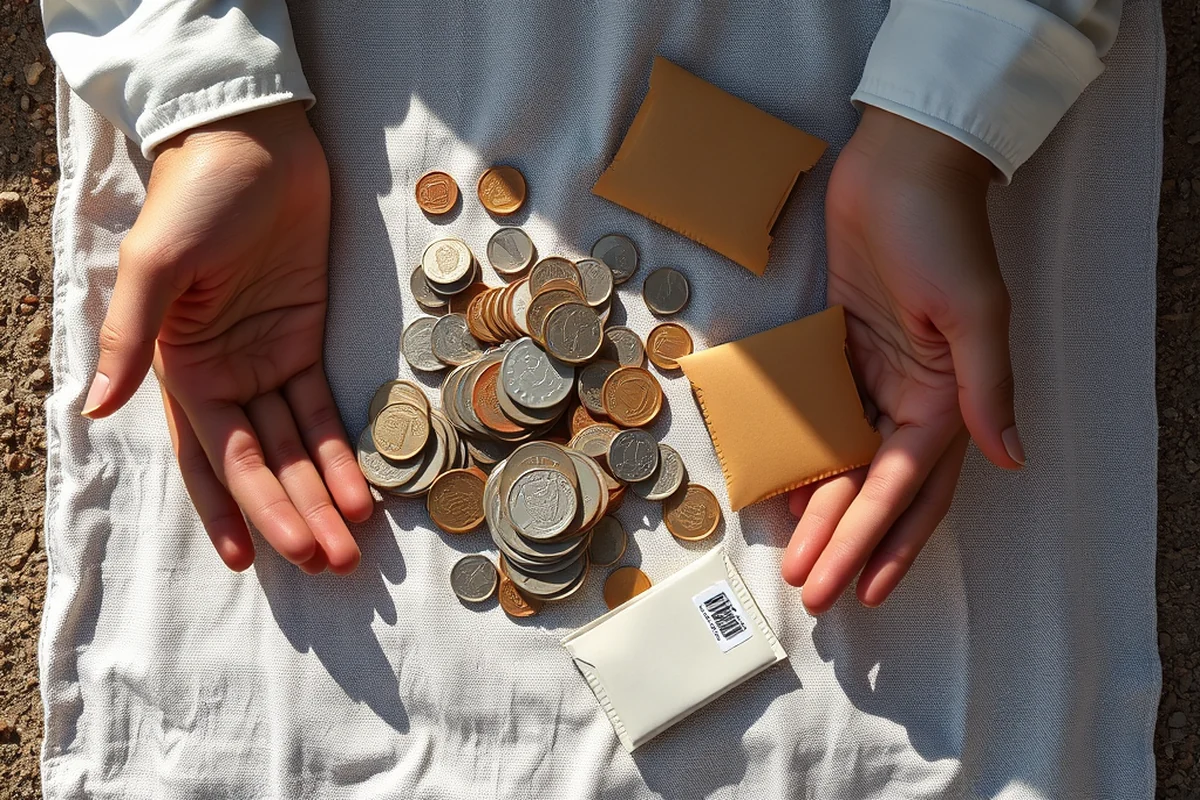
Adjusting your budget to include emergency fund building requires a bit of planning. Start by reviewing your monthly expenses and identifying areas where you can cut back. For example, I canceled my unused streaming subscriptions and started cooking at home instead of eating out.
It's also important to set a clear savings goal. I set a goal to save $100 a month and track my progress using a budgeting app. This helped me stay motivated and stay on track.
By making small adjustments to your spending habits, you can build your emergency fund without sacrificing your quality of life. It's about being intentional with your money and prioritizing what truly matters.
Related: Emergency fund building beginners guide
Staying Motivated and Tracking Your Progress
Staying motivated can be challenging, especially when you're saving on a budget. It's important to track your progress and celebrate small wins. I keep a spreadsheet where I log my savings every month and look at how much I've built over time.
Another way to stay motivated is to set milestones. For example, I set a goal to save $500 in six months and reward myself with a small treat once I reach that goal. This helps me stay focused and committed.
Finally, it's important to remind yourself why you're saving. When I feel discouraged, I look back at the times I've had to dip into my emergency fund and how it helped me avoid debt. That reminder keeps me going.
💰 The Tight Budget Plan
Maximize savings with minimal spending and small but consistent contributions to your emergency fund.
🚀 The Aggressive Payoff Plan
A high-savings strategy for those who want to build their emergency fund quickly and aggressively.
📈 The Irregular Income Plan
Tailored for those with fluctuating incomes, this plan helps save consistently even when earnings vary.
👫 The Couple's Plan
Joint savings strategies designed for couples who want to build an emergency fund together.
📚 The Beginner's Plan
A simple, step-by-step approach to building your first emergency fund with no prior financial experience.
| The mistake | Why it happens | The fix |
|---|---|---|
| Not having a separate account for your emergency fund | Keeping your emergency fund in a checking account makes it easier to spend it on non-emergencies. | Open a dedicated savings account for your emergency fund and avoid using it for everyday expenses. |
| Saving inconsistently | Spotty savings habits can slow down your progress and make it hard to build momentum. | Set up automatic transfers to your emergency fund to ensure consistent savings. |
| Using the emergency fund for non-emergencies | This can leave you unprepared for a real emergency and drain your savings unnecessarily. | Only use your emergency fund for true emergencies and replenish it as soon as possible. |
| Setting an unrealistic savings goal | A goal that's too high can be discouraging and lead to early giving up. | Start with a smaller goal and increase it gradually as your savings grow. |
Related: Best emergency fund building for beginners
Emergency Fund Building Beginners On A Budget
Related: Emergency fund building for beginners for beginners
Leveraging High-Yield Savings Accounts for Growth
High-yield savings accounts offer better returns than regular savings, helping your emergency fund grow faster without risk.
I also use automatic transfers to move funds into my high-yield account each payday. This ensures I’m consistently growing my emergency fund without thinking about it. Even with modest contributions, the compounding effect over time can make a meaningful impact on your financial security, especially when paired with other budgeting strategies.
Using Windfalls and Extra Income to Boost Your Fund
Windfalls like tax refunds or bonuses can be powerful tools to accelerate your emergency fund growth.
It’s important to treat windfalls as non-negotiable contributions to your emergency fund, rather than spending them on non-essentials. I’ve learned this the hard way by once using a bonus for a shopping spree, only to regret it when an unexpected expense arose later. By prioritizing your emergency fund with windfalls, you're future-proofing your financial stability without sacrificing your ability to enjoy occasional rewards.
Automating Savings for Long-Term Success
I set up automatic transfers from my checking account to my high-yield savings account right after I received my first paycheck. This way, I never have to think about it — the money moves on its own, and I'm consistently building my fund without effort. Automating savings helps ensure that you're always prioritizing your emergency fund, even when life gets busy or unexpected expenses arise. It also helps prevent the temptation to spend money that was meant for your fund. Once I got into the habit, I noticed that my savings grew faster than I ever anticipated, and I felt more in control of my finances.
Navigating Life's Unpredictability with Realistic Scenarios
Understanding how real-life events can impact your emergency fund helps you prepare for the unexpected.
I once had a friend who lost her job during a recession and had to rely on her emergency fund to cover rent and groceries for three months. Her fund was just enough because she had planned for this scenario. Real-life events like sudden medical bills, car repairs, or job loss are unpredictable, but preparing for them can ease the financial strain. By creating a list of potential emergencies specific to your life—such as a sudden trip to the hospital, a car breakdown, or a family emergency—you can estimate the costs and set a more accurate goal for your emergency fund. This approach helps you avoid underestimating the amount you need and ensures you’re not caught off guard.
When I first started building my emergency fund, I underestimated the cost of unexpected repairs. My old car broke down twice in a year, and each time, the repair costs were over $500. This experience taught me the importance of considering not just the obvious expenses but also the less frequent, yet significant, ones. Creating a realistic budget that includes these scenarios is crucial. It’s not just about having money set aside—it’s about knowing exactly how much you need to cover various situations without draining your savings. This clarity helps you stay focused and committed to your goal, even when life throws curveballs.
To make this process more tangible, I started tracking potential expenses using a simple spreadsheet. I listed possible emergencies, estimated their costs based on research and past experiences, and added a buffer of 20% to each estimate. This method gave me a clearer picture of what I needed to save. It also helped me identify which emergencies were more likely to occur, allowing me to prioritize my savings accordingly. By using real-life data and being transparent about my assumptions, I felt more prepared and less overwhelmed, which made the journey of building my emergency fund more manageable and purposeful.
Common Questions
How much should I save each month for my emergency fund?
Can I use a checking account for my emergency fund?
What if I don't have any extra money to save?
How long does it take to build an emergency fund?
References
- Financial Literacy: Saving and Emergency Funds (library.centre.edu)
- 6-Step Financial Plan for 2026 - DFPI - CA.gov (dfpi.ca.gov)
Cite this guide
Rainyready (2026). Emergency Fund Building Beginners On A Budget. https://rainyready.com/emergency-fund-building-beginners-on-a-budget/
Feel free to cite or share this guide.
Emergency Fund Build Plan
Sets an emergency fund target and month-by-month savings plan from essential spending.
Open it free →