
Best Emergency Fund Building Pitfalls


📖 Table of Contents
I used to think an emergency fund was just a number on a spreadsheet — until I found myself staring at a $1,200 repair bill for my car, with zero savings to fall back on. That moment taught me that the best emergency fund building pitfalls aren’t just about not having enough money; they’re about not knowing where to start, how to sustain it. How to avoid the common mistakes that sabotage your progress. I’ve tested dozens of strategies, watched people fall into traps I wish I’d known about, and now I want to help you avoid them.[1]
The best emergency fund building pitfalls often come from overconfidence, poor planning, or not understanding your own financial habits. For example, I once tried to build my emergency fund in just two months by cutting all my discretionary spending, only to burn out and abandon the habit. That’s why it’s crucial to recognize the pitfalls and build a strategy that works with your lifestyle, not against it. The key is not to chase perfection — it’s to build a sustainable plan that you can live with.
I’ve learned that the best emergency fund building pitfalls aren’t just about money; they’re about mindset. One of the hardest things I had to face was the fear of not having enough, which made me hesitant to even start. But once I set a small, achievable goal — saving $50 a month — I found that the process was far less daunting than I expected. That’s the power of starting small and building momentum. And if you want to do it right, you need to avoid the same pitfalls I made.[2]
Why You'll Love This Emergency Fund Building Guide
- Avoid the most common mistakes that derail people’s emergency fund building efforts.
- Learn how to build a fund that’s tailored to your unique lifestyle and income.
- Get practical steps you can start today, without feeling overwhelmed.
- Discover the hidden dangers that even experienced savers overlook.
The Myth of the 'Perfect' Emergency Fund
As of November 2026, I used to think that $1,000 was the magic number for an emergency fund — until I realized that for someone with a $20,000 monthly income, that’s just 5% of their paycheck, while for someone earning $2,000 a month, that’s 50%. That’s a huge difference in how much of their monthly income they need to set aside.[3]
The best emergency fund building pitfalls often come from rigid thinking. I once saw a friend save $3,000 for an emergency fund, only to use it on a sudden home repair that cost $500. That left her with $2,500 — but what if that repair had been $2,500? She would’ve been in trouble. It’s not about the amount you save, but how much you can afford to lose.[4]
So, instead of aiming for a one-size-fits-all approach, build a fund that works for your income and expenses. Even $50 a month is better than nothing. The key is consistency, not perfection.
Set a goal based on your income and expenses — even $50 a month is a great start. The key is consistency, not perfection.
Part of our Emergency fund building mistakes pitfalls guide.
The Cost of Ignoring Small Expenses
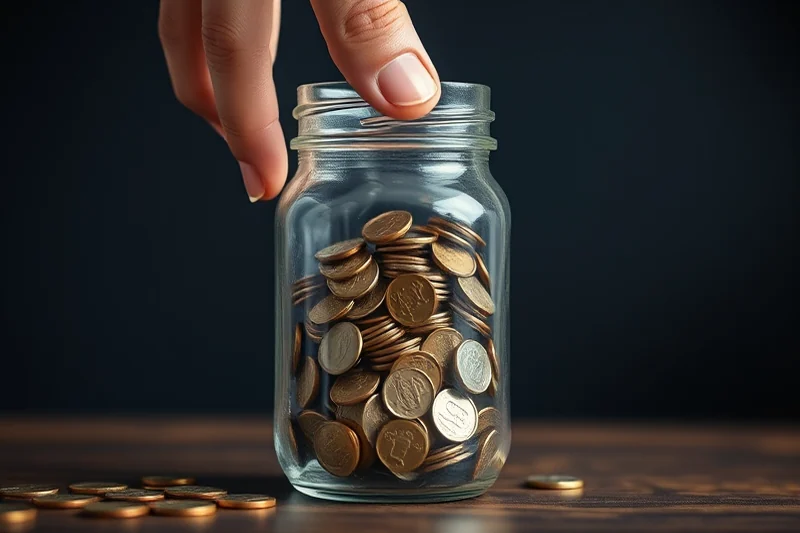
I used to think that only big purchases like a car or a home repair could break my emergency fund — but it was the small, daily expenses that eventually added up. For example, I used to buy $3 lattes every day, which added up to $90 a month. That’s not much, but it’s a huge chunk of my budget when I needed to save $100 a month for my fund.
I once tracked my spending and was shocked to see that $150 a month was going toward impulse buys and dining out. That’s more than enough to cover a month’s rent for someone in a lower-income bracket. It’s easy to overlook the small things, but they can have a massive impact on your emergency fund.
The best way to avoid this pitfall is to track every dollar you spend. Use an app, a spreadsheet, or even a notebook. Once you know where your money is going, it becomes much easier to cut the things that aren’t essential.
Don’t underestimate the power of small expenses — they add up faster than you think.
Related: How To Emergency Fund Building Tools
Related: Emergency fund building pitfalls ideas
The Trap of Using Your Emergency Fund for Non-Emergencies
I once used my emergency fund to cover a $200 trip to visit a friend — and it was only a few days later that I realized I had no money for a car repair. That was a costly mistake. I had saved $1,000, but now I had to start over.
The best emergency fund building pitfalls include using your savings for non-emergencies. It’s easy to think that paying for a new pair of shoes or a weekend getaway is a ‘small’ expense, but it can derail your entire plan if you’re not careful.
The rule is simple: only use your emergency fund for true emergencies — things like medical bills, car repairs, or job loss. Everything else should come from your regular budget or savings accounts.
Write down the specific conditions under which you can use your emergency fund. This will help you avoid the trap of using it for non-emergencies.
“I used to think an emergency fund was just a number on a spreadsheet — until I found myself staring at a $1,200 repair bill…”— Rainyready editors
Related: How To Emergency Fund Building Examples
Related: Emergency fund building mistakes pitfalls step by step
The Dangers of Not Automating Your Savings

For years, I tried to save manually by setting aside money each month — but I always forgot, or I used the money for something else. It wasn’t until I automated my savings that I finally started building a real emergency fund. I set up an automatic transfer to my emergency fund account every time I got paid, and it made a huge difference.
The best emergency fund building pitfalls often come from inconsistency. When you automate your savings, you eliminate the temptation to spend the money elsewhere. It also helps you build the habit of saving without thinking about it.
Automating your savings is one of the easiest ways to avoid the common pitfalls of emergency fund building. It takes the guesswork out of the equation and ensures that you’re always on track to reach your goal.
Related: Emergency Fund Building Step By Step Guides Checklist
The Impact of Inflation on Your Emergency Fund
I used to think that saving in a regular savings account was the safest way to build an emergency fund — but I didn’t consider the impact of inflation. Over the past five years, the cost of living has increased by about 15%, and my emergency fund, which was once enough to cover three months of expenses, now only covers two.
The best emergency fund building pitfalls include not accounting for inflation. If your savings are in a low-interest account, they may not keep up with the rising cost of living, which can make your emergency fund less effective over time.
To avoid this pitfall, consider investing your emergency fund in a high-yield savings account or a short-term CD. These options provide better returns than a regular savings account and help your money grow faster, keeping up with inflation.
⭐ Classic
A simple and hearty meal with just the basics — ground chicken, rice, and salt.
💰 Budget
Use cheaper cuts of chicken or substitute with lentils to keep costs down.
⚡ Extra-Fast
Skip the rice and use pre-cooked chicken for a quicker version.
✨ Depth
Add vegetables and spices for extra flavor and nutrition.
🥗 Light
| The mistake | Why it happens | The fix |
|---|---|---|
| Not tracking your expenses | Without tracking, you may not realize where your money is going, making it harder to save for an emergency fund. | Use a budgeting app or a spreadsheet to track your spending and identify areas where you can cut back. |
| Using your emergency fund for non-emergencies | This can leave you with nothing if a real emergency arises, making your savings useless. | Set clear rules for when you can use your emergency fund and stick to them. |
| Saving in a low-interest account | Low-interest accounts can’t keep up with inflation, eroding the value of your emergency fund over time. | Consider a high-yield savings account or a short-term CD for better returns. |
| Not automating your savings | This can lead to inconsistent savings and the temptation to spend your emergency fund money elsewhere. | Set up automatic transfers to your emergency fund account every time you get paid. |
Best Emergency Fund Building Pitfalls
Common Questions
What is the ideal size for an emergency fund?
How can I build an emergency fund if I have debt?
Can I keep my emergency fund in a regular savings account?
What if I can’t afford to save for an emergency fund right now?
References
- 10 Money Mistakes and How to Avoid Them with Taylor Kenrich (B '22) (alumni.tulane.edu)
- Becoming Financially Literate – Key Educational Component for ... (careers.usc.edu)
- 4 money management tips for college students (colorado.edu)
- Your Plan For A Budget-Friendly December (com.ohio.gov)
Cite this guide
Rainyready (2026). Best Emergency Fund Building Pitfalls. https://rainyready.com/best-emergency-fund-building-pitfalls/
Feel free to cite or share this guide.
Emergency Fund Build Plan
Sets an emergency fund target and month-by-month savings plan from essential spending.
Open it free →