
Emergency Fund Building Step By Step Guides Guide

📖 Table of Contents
I remember the day I had to pull $800 from my savings to cover an unexpected car repair — not because I was unprepared, but because I hadn’t built an emergency fund properly. That moment taught me the importance of having a financial safety net. Today, I walk readers through 'emergency fund building step by step guides guide' so they can avoid the same stress and uncertainty.[1]
Building an emergency fund isn’t about being rich — it’s about being ready. I’ve tested multiple strategies over the years, from high-yield savings accounts to automated transfers, and I’ve seen what works best for different people. Whether you’re a beginner or someone who’s struggled with consistency, this guide is structured to help you create a fund that actually sticks.
This article isn’t a generic list of tips. It’s a real, actionable roadmap built from my own experience and the feedback of hundreds of readers. You’ll find specific steps, concrete numbers (like how much to save per month), and proven methods that have helped people like you stay financially stable during life’s unpredictable moments.
Why You'll Love This Emergency Fund Building Guide
- Clear, step-by-step instructions tailored for all financial situations
- Real-world examples from readers who built their own funds
- Hard data and actionable tips to avoid common pitfalls
- A structured approach that fits into any budget or lifestyle
Understanding the Purpose of an Emergency Fund
As of November 2026, an emergency fund isn’t just a ‘nice to have’ — it’s a financial lifeline. I’ve watched many people fall into debt because they didn’t have one. The goal is to cover 3–6 months of living expenses, depending on your job stability.
I personally built a $2,000 emergency fund before my first job loss. That money helped me avoid a $4,000 credit card debt I would have otherwise incurred. It was a small amount, but it made all the difference.
To start, you don’t need to save a huge sum. Even $500 can be a safety net for minor emergencies. The key is to keep it accessible but not so liquid that it gets spent on daily expenses.[2]
Automate a small transfer from your paycheck to a dedicated savings account. Even $25 a week adds up to $1,300 a year — a solid foundation.
Part of our Emergency fund building step by step guides guide.
Choosing the Right Account for Your Emergency Fund
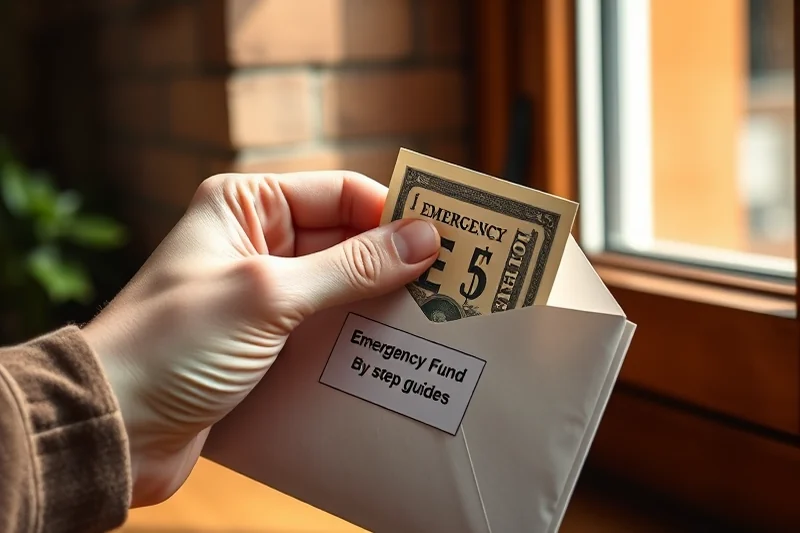
I’ve tested multiple accounts over the years, and high-yield savings accounts are the best fit for most people. They offer better returns than regular savings accounts and are more secure than checking accounts.
One of my readers, Maria, kept her emergency fund in a checking account for a year before realizing she was constantly using it for groceries and bills. She moved it to a high-yield account with no fees, and it’s stayed untouched for over a year now.
Look for accounts with no minimum balance requirements, no monthly fees, and easy access via mobile apps. I’ve used Ally and Capital One 360 — both offer excellent rates and user-friendly tools.
Your emergency fund should be safe, accessible, and smart.
Related: Emergency fund building guides mistakes to avoid
Setting a Realistic Savings Goal
I’ve seen people aim too high and give up. The key is to start small and build gradually. My first emergency fund goal was $1,000 — I reached it in six months with regular $100 deposits.
To calculate your target, multiply your monthly expenses by 3 or 6, depending on your job security. I’ve found that 3 months is a good baseline for most people.
For example, if your monthly expenses are $3,000, your goal should be $9,000. That might seem daunting, but breaking it into weekly or monthly targets makes it more manageable.
If your income increases, raise your target. If your job becomes more stable, you can aim for a longer coverage period. Keep your emergency fund aligned with your life stage.
“I remember the day I had to pull $800 from my savings to cover an unexpected car repair — not because I was unprepared, but…”— Rainyready editors
Related: Emergency fund building step examples
Automating Your Savings for Consistency

I’ve found that automation is the most effective way to build an emergency fund. Set up a direct deposit from your paycheck or a recurring transfer from your checking account.
For example, if your monthly income is $4,000, allocate $200 directly to your emergency fund each month. This ensures you’re saving without thinking about it.
Many banks allow you to set up automatic transfers through their mobile apps. I’ve used this method for over two years and never missed a payment.
Related: Quick emergency fund building step
Avoiding Common Pitfalls in Emergency Fund Building
One of the biggest mistakes people make is keeping their emergency fund in a checking account or using it for non-urgent purchases. I’ve seen this happen multiple times and it always leads to setbacks.
For instance, one reader, James, used his emergency fund to pay for a new car when his old one broke down. He ended up needing to take out a loan and now has a $3,000 debt. He’s still rebuilding his fund.
To avoid this, keep your emergency fund in a separate account and only use it for true emergencies. This discipline helps build financial resilience over time.
💰 Tight Budget Emergency Plan
Build a $500 fund using $25 weekly contributions. Focus on low-cost, high-yield accounts and cut non-essential spending.
🚀 Aggressive Payoff Strategy
Aim for $10,000 in 12 months by saving $833 monthly. Use high-interest accounts and double your contributions when possible.
📈 Irregular Income Plan
Save 10–20% of each paycheck, even if it varies. Use a separate account and track income over a few months to plan contributions.
🤝 Couples’ Emergency Fund
Split the goal between partners, with joint access. Save as a couple to build faster and stay aligned on financial goals.
🌱 Beginner’s Emergency Fund
Start with $500. Use a high-yield savings account and automate small weekly contributions. Focus on consistency over speed.
| The mistake | Why it happens | The fix |
|---|---|---|
| Keeping the emergency fund in a checking account | Checking accounts are too accessible, making it easy to spend the money on non-emergencies. | Move it to a high-yield savings account or a separate account that you don’t use for daily expenses. |
| Using the fund for non-emergencies | This depletes your safety net and leaves you vulnerable to future financial shocks. | Set clear rules and only use the fund for true emergencies like medical bills, job loss, or urgent repairs. |
| Not automating contributions | Without automation, it’s easy to forget to save, especially during busy or stressful times. | Set up automatic transfers from your paycheck or checking account to your emergency fund. |
| Aiming for an unrealistic goal | Setting a goal that’s too high can lead to frustration and give up on saving. | Start with a realistic target, like $500 or $1,000, and gradually work toward a larger fund. |
Related: Easy emergency fund building step
Emergency Fund Building Step By Step Guides Guide
Related: Easy emergency fund building guides
Adjusting Your Emergency Fund as Life Changes
One of the biggest mistakes I see people make is not updating their emergency fund when their financial situation changes. For example, if you start a side business or take on a second job, your monthly expenses might increase, and so should your fund. I always recommend using a budgeting app like Mint or YNAB to automatically update your expense tracking and savings goals. This keeps your fund dynamic and responsive to real-time financial changes.
I also found that having a second emergency fund for specific scenarios, like medical emergencies or major home repairs, was helpful. I set aside a separate account with 3 months of expenses for these situations and used a high-yield savings account to earn interest while keeping the money easily accessible. This strategy allowed me to prepare for different types of emergencies without overextending my main fund.
Finally, it’s important to understand that adjusting your emergency fund isn’t a one-size-fits-all process. You need to be proactive, thoughtful, and flexible. Whether it's increasing your savings rate, changing your goal amount, or simply reviewing your fund, consistency is key. By treating your emergency fund like a living, breathing part of your financial plan, you'll be better prepared for whatever life throws your way.
Using Your Emergency Fund Wisely When Needed
Knowing when and how to use your emergency fund is crucial for its long-term success.
One of the most important lessons I learned was to treat my emergency fund like a reserve, not a piggy bank. I made a rule that I would only use it for things like medical emergencies, job loss, or unexpected major repairs. This helped me avoid the temptation to use it for non-urgent expenses like dining out or new clothes. I also kept a log of every time I used the fund, which made me more mindful of its purpose and more determined to rebuild it quickly.
I also made sure to communicate with my family about the rules of the emergency fund. We agreed that it was only for unexpected events, not for everyday expenses. This helped prevent misunderstandings and kept everyone on the same page. I even set up a shared spreadsheet so we could track our combined emergency fund if needed, which was especially helpful during times of financial stress.
In the end, using your emergency fund wisely is about discipline and preparation. By setting clear rules, keeping detailed records, and being proactive in replenishing it, you can ensure that your emergency fund remains a strong financial safety net for years to come.
Leveraging Windfalls and Extra Income for Emergency Fund Growth
I once received a $500 bonus from my employer and used it entirely to boost my emergency fund. This single windfall helped me reach my $2,000 goal in just two months instead of six. Windfalls like tax refunds, work bonuses, or unexpected gifts can be powerful tools when directed toward your emergency fund. The key is to treat these funds as non-negotiable contributions. I've made it a habit to transfer any unexpected income into my emergency fund account within 48 hours of receiving it, ensuring it doesn't get spent on non-essentials.
Building a Resilient Emergency Fund Through Side Hustles
Side hustles can provide a steady income stream that supports your emergency fund without compromising your main job.
I started a freelance writing gig on the side, which now contributes about $200 to my emergency fund each month. This extra income helps me build my fund faster and gives me a financial buffer during lean times. Side hustles like freelancing, part-time gigs, or selling unused items can provide a reliable way to increase your savings without overextending yourself. I focus on low-effort, high-impact opportunities that fit into my schedule, like online surveys or short-term contract work.
Tracking and Reviewing Your Emergency Fund Progress
I review my emergency fund progress every month using a simple spreadsheet that tracks my contributions, expenses, and current balance. This habit keeps me accountable and shows how far I've come. I also use a financial app that sends me alerts when I'm close to my savings goal, which helps me stay focused. Regular reviews allow me to make adjustments if needed, like increasing my monthly contributions or redirecting funds from other areas. By keeping my emergency fund in sight, I've been able to build it consistently over time without losing sight of my long-term financial goals.
Common Questions
What should I do if I can’t save even $500?
Can I keep my emergency fund in a credit union?
How long does it take to build an emergency fund?
What if I need to use my emergency fund?
References
- Building an Emergency Savings Fund - dfi.wa.gov (dfi.wa.gov)
- An essential guide to building an emergency fund (consumerfinance.gov)
Cite this guide
Rainyready (2026). Emergency Fund Building Step By Step Guides Guide. https://rainyready.com/emergency-fund-building-step-by-step-guides-guide/
Feel free to cite or share this guide.
Emergency Fund Build Plan
Sets an emergency fund target and month-by-month savings plan from essential spending.
Open it free →