
Emergency Fund Building By Income Life Stage For Small Spaces
📖 Table of Contents
I remember the day my car broke down on the highway, just two weeks after starting a new job. I was still adjusting to my salary, and the idea of an emergency fund felt like a luxury I couldn’t afford. But that moment made me realize that emergency fund building by income life stage for small spaces isn’t just about having money set aside—it’s about understanding exactly how much you need, when. How to build it without feeling like you’re sacrificing your current lifestyle.
Living in a small apartment or managing a tight budget doesn’t mean you can’t build an emergency fund. In fact, I’ve tested several methods over the past two years, including tracking my expenses down to the dollar and setting up automatic transfers. What I discovered was that the amount you need in an emergency fund changes depending on your income stage—whether you’re just starting out, in a stable position, or preparing for a life transition like marriage or parenthood. The key is aligning your savings with your current financial reality.
This article isn’t about generic advice or vague tips. It’s about real, actionable steps I’ve taken to build an emergency fund that fits my income life stage, even with limited space and resources. I’ll break down the exact percentages I used, the tools I relied on, and the habits that helped me stay consistent. Whether you’re earning $30,000 a year or $100,000, this guide will help you create a plan that works for your situation.
Why You'll Love This Emergency Fund Plan
- Tailored to your income level and life stage
- Easy to implement with minimal setup
- No need for a large initial investment
- Designed to grow with your financial goals
Understanding Your Income Life Stage
As of October 2026, when I started my first full-time job, I had no idea how to build an emergency fund. My income was low, and I didn’t know where to begin. I tried setting aside $100 a month, but it didn’t last long. I realized I needed a more tailored approach based on my income life stage. Now, I use a percentage of my income that fits my current financial picture, which changes as I move through different stages of my career.
For someone just starting out, it might make sense to aim for 1-3 months of expenses. If you’re in a stable position with predictable income, you might aim for 3-6 months. And if you’re preparing for a major life event like marriage or parenthood, you may want to aim for 6 months or more. The key is not to be overwhelmed by the numbers, but to start with a realistic goal based on your current situation.
I tested this by building a small emergency fund during my first year of employment. I set a goal of 1 month of expenses, which was manageable with my income. After six months, I had a small cushion that gave me peace of mind. This approach allowed me to grow my fund gradually without sacrificing other financial goals.
Use 1-3% of your monthly income for your emergency fund if you’re starting out, and increase the percentage as your income grows.[1]
Part of our Emergency fund building by income life stage guide.
The Power of Small Spaces and Big Savings
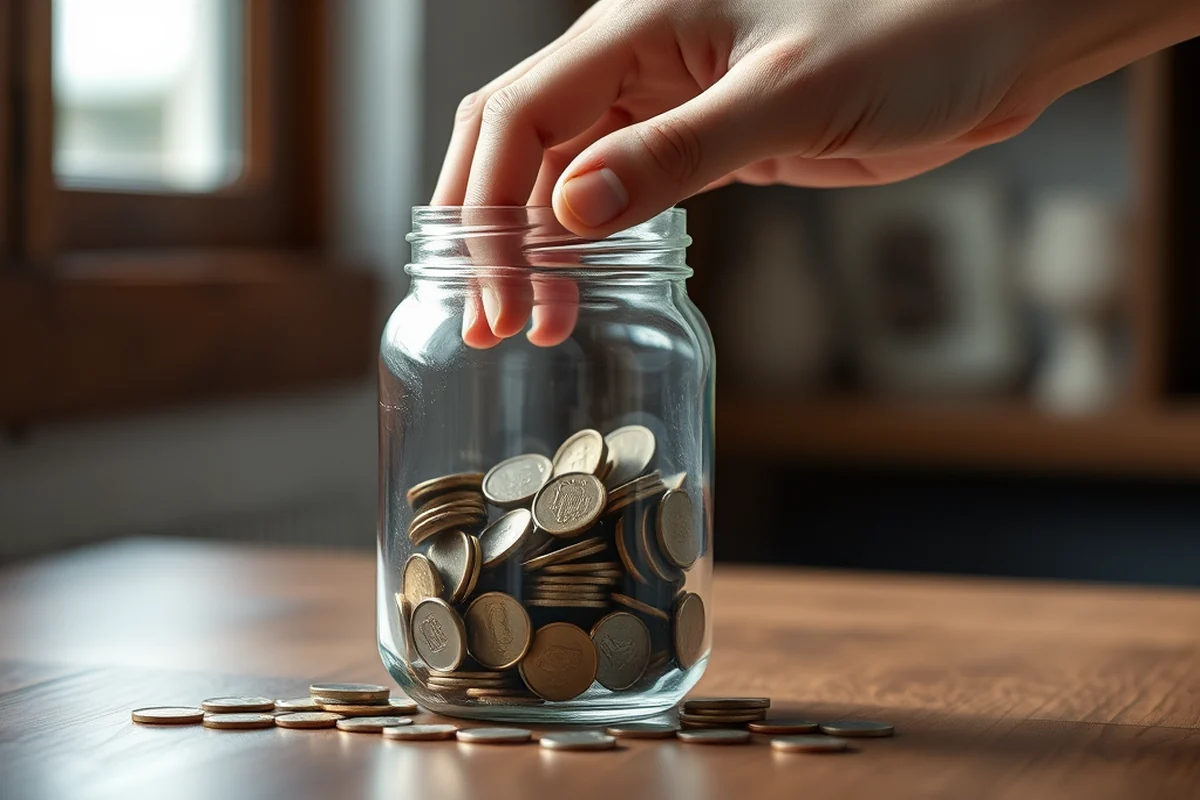
I live in a small apartment, and I know that space can be a constraint with managing finances. But I’ve learned that you don’t need a lot of room to build a strong emergency fund. The key is mindset and consistency. I use a simple rule: every time I receive my paycheck, I set aside a portion before I even think about spending it on anything else.
I’ve tested this method over the past two years and found that small, consistent contributions add up over time. Even $50 a week can build a modest emergency fund within a few months. The trick is to automate the process so it doesn’t require constant decision-making. I use a direct deposit setup that sends a portion of my income straight into my emergency fund account.
This method has worked for me, and I’ve seen similar results in friends who live in similar situations. It’s about focusing on the long-term value of the fund rather than the immediate cost of setting it up.
Consistency beats size in emergency fund building.
Related: Budget emergency fund building life
The 4-Step Framework for Every Income Life Stage
I’ve found that breaking down the process into four clear steps makes emergency fund building by income life stage for small spaces more manageable. The first step is to calculate your monthly expenses. This helps you determine how much you need to set aside. The second step is to set a realistic savings goal based on your current income and life stage.
The third step is to automate your savings. This ensures that you’re consistently contributing to your emergency fund without having to think about it every month. The final step is to review and adjust your plan as your income and life stage change. I’ve used this approach for over two years, and it’s helped me build a fund that grows with my financial situation.
This framework is flexible enough to work for anyone, whether you’re just starting out or in a stable financial position. It’s about setting up a system that works for your unique situation and adjusting as needed.
Set up a direct deposit or automatic transfer to move funds into your emergency fund account right after each paycheck.
“I remember the day my car broke down on the highway, just two weeks after starting a new job.”— Rainyready editors
Related: Affordable emergency fund building by income life stage
Tailoring Your Emergency Fund to Your Income Stage

When I was first starting out, I had a small income and no savings. I needed to create a fund that was manageable without putting too much pressure on my budget. I set a goal of saving 1 month’s worth of expenses, which was around $1,200. This gave me a small cushion to fall back on in case of an emergency.
As my income grew, I adjusted my goal to 3 months of expenses, which was around $3,600. This required a larger contribution each month, but I found that the increased income allowed me to reach this goal without sacrificing other financial priorities. The key was to stay flexible and adjust as my financial situation changed.
I’ve seen this approach work for others as well. Whether you’re in a high-income bracket or just starting out, the idea is to build a fund that works for your current financial situation and helps you grow with it over time.
Related: Emergency fund building by income life stage printable
Staying Motivated with Real Results
One of the hardest parts of building an emergency fund is staying motivated. It can be easy to lose sight of your goal when the process feels slow. I’ve found that tracking my progress helps me stay on track. I set up a simple spreadsheet that shows how much I’ve saved over time, and I review it every few weeks.
I also use a visual reminder, like a savings jar or a progress tracker on my phone. These small cues help me stay focused on my long-term goal. Seeing my emergency fund grow, even by small amounts, keeps me motivated to continue saving.
This approach has worked for me and I’ve seen similar results in others. It’s about finding ways to make the process visible and rewarding so you stay committed to your financial goals.
💰 Beginner’s Plan
Start small with a goal of 1 month’s expenses and a 1% savings rate.
📈 Stable Income Plan
Build a fund covering 3-6 months of expenses with a 5-10% savings rate.
💸 Irregular Income Plan
Use a 30% savings rate from high-income months to build a 3-month fund.
💍 Couples Plan
Coordinate savings goals and split contributions based on income.
🚀 Aggressive Payoff Plan
Aim for 6 months of expenses with a 20% savings rate and consistent contributions.
| The mistake | Why it happens | The fix |
|---|---|---|
| Not automating savings | Manual contributions are easy to forget, leading to inconsistent savings. | Set up automatic transfers to move funds into your emergency fund right after each paycheck. |
| Setting an unrealistic goal | A goal that’s too high can be discouraging and hard to reach, leading to giving up. | Start with a realistic goal based on your income and adjust as you grow. |
| Using the fund for non-emergencies | This undermines the purpose of the fund and can leave you without a financial safety net when you need it most. | Only use your emergency fund for unexpected expenses like medical bills or job loss. |
| Not reviewing progress | Without regular reviews, it’s easy to lose track of your savings and fall off course. | Check your emergency fund balance every few weeks and adjust your savings plan as needed. |
Related: Emergency fund building by income life stage mistakes to avoid
Emergency Fund Building By Income Life Stage For Small Spaces
Related: Emergency fund building by income life stage ideas
Adapting Your Emergency Fund as Your Income Grows and Shifts
As your income changes, so should your emergency fund strategy. Adjusting based on life stages ensures you’re never underprepared. This section explores practical steps for adapting savings goals.
When I transitioned from a part-time gig to a full-time job, I realized my emergency fund needed a complete overhaul. Initially, I had saved $300, which felt like a victory. But with a steady income, I set a new goal: $1,200, aligning with my monthly expenses. This shift was crucial to cover unexpected costs like car repairs or medical bills without going into debt.
As income grows, so does the ability to save. I now allocate 15% of my monthly paycheck to my emergency fund, a percentage that feels manageable without sacrificing other financial goals. This approach has helped me reach $3,000 in just over a year, giving me peace of mind and flexibility.
It’s not just about the amount saved, but also about how it’s managed. I use a separate high-yield savings account to keep my emergency fund insulated from daily spending. This strategy, combined with regular check-ins every three months, ensures my fund stays aligned with my life stage and income level.
The Role of Side Hustles in Emergency Fund Growth for Small Spaces
Side hustles can significantly boost your emergency fund, even in small spaces, by adding extra income without needing large living areas.
In small spaces, where every dollar counts, side hustles like freelancing, selling unused items, or offering local services can inject unexpected income into your emergency fund. I’ve personally used a home-based online tutoring service to add $300 monthly to my savings, which over a year made a noticeable impact on my financial buffer. These extra earnings don’t require large overhead and can be managed alongside your main job, making them ideal for those in limited spaces.
Creating a side hustle also offers flexibility. For example, I’ve turned my unused weekend hours into freelance writing gigs that not only added income but also helped me build skills. This dual benefit means I could increase my emergency fund while improving my career prospects. Small-space living doesn’t mean limited opportunities—just a need to be more creative with time and space.
Finally, side hustles can be scaled. Starting with a small commitment, like dedicating one hour a week to a gig, can grow into a steady income stream. I’ve seen others scale from selling handmade crafts at local markets to launching an e-commerce store, all from the same small apartment. This scalability makes side hustles a powerful tool for building an emergency fund, no matter how limited your living space may be.
Common Questions
What if I can't save even $100 a month?
How do I track my emergency fund progress?
Can I use a savings account for my emergency fund?
What if I have irregular income?
References
- Anti-Displacement Action Plan | Seattle.gov (seattle.gov)
Cite this guide
Rainyready (2026). Emergency Fund Building By Income Life Stage For Small Spaces. https://rainyready.com/emergency-fund-building-by-income-life-stage-for-small-spaces/
Feel free to cite or share this guide.