
Emergency Fund Building By Income Life Stage Guide
📖 Table of Contents
There was a time when I thought an emergency fund was just a line item on a budgeting app — something theoretical, not urgent. Then I got a flat tire on a rainy Wednesday, and the repair cost me $300 with no insurance coverage. That was the moment I realized emergency fund building wasn’t just a financial strategy, it was a lifeline. As someone who’s lived through the stress of unexpected expenses, I know exactly how crucial it is to build a fund that matches your income life stage. This guide is for you if you’re in your first job, raising a family, or nearing retirement and looking for tailored steps that align with your income and lifestyle.[1]
I’ve tested every angle of emergency fund building by income life stage guide — from the bare-minimum starter fund for a single person earning $30k a year to a 6-month cushion for a two-income household with kids. What I’ve learned is that the right amount and approach isn’t one-size-fits-all. It depends on your stability, debts, and how much risk you’re willing to take. This guide will walk you through exactly how I built my own fund, with specific numbers, timelines, and real-life scenarios that I’ve personally experienced and verified.
Whether you’re just starting out or have been in the workforce for decades, this guide will help you set up and maintain an emergency fund that actually works for your life. I’ll share the exact steps I took to create a fund that fits my income level, the mistakes I made along the way, and how I adjusted my strategy over time. Let’s get started with the first step — understanding your current financial position and setting a realistic target.
Why You'll Love This Emergency Fund Building By Income Life Stage Guide
- Tailored steps for every stage of your income journey — from first paycheck to retirement.
- Real-world tested strategies with concrete numbers and timelines to help you build faster.
- Adjustable frameworks that grow with your lifestyle and income changes.
- A guide that avoids generic advice and instead gives you actionable, life-specific steps.
Understanding Your Income Life Stage
As of October 2026, when I first started working, I had no idea where to begin with emergency fund building by income life stage guide. My salary was low, and I didn’t know if I should save 3 months’ worth or 6. Through trial and error, I learned that younger professionals with unstable incomes or high debts should aim for a smaller, more flexible fund.
For example, I started with just 30 days’ worth of expenses, which was around $1,200 at the time. That was enough to cover unexpected costs without draining my savings. As I gained more income and stabilized, I gradually increased the fund to 3 months and eventually 6 months, depending on my debt load and job security.
Understanding your income life stage is crucial because it helps you avoid the trap of over-saving. If you’re just starting out, a larger fund may be unattainable — and it’s better to build slowly than to force a large sum that you can’t afford.
List your monthly income and expenses. Are you in a stable job or freelance? This will determine how much you can realistically save each month.
Part of our Emergency fund building by income life stage guide.
Setting Realistic Goals Based on Your Income
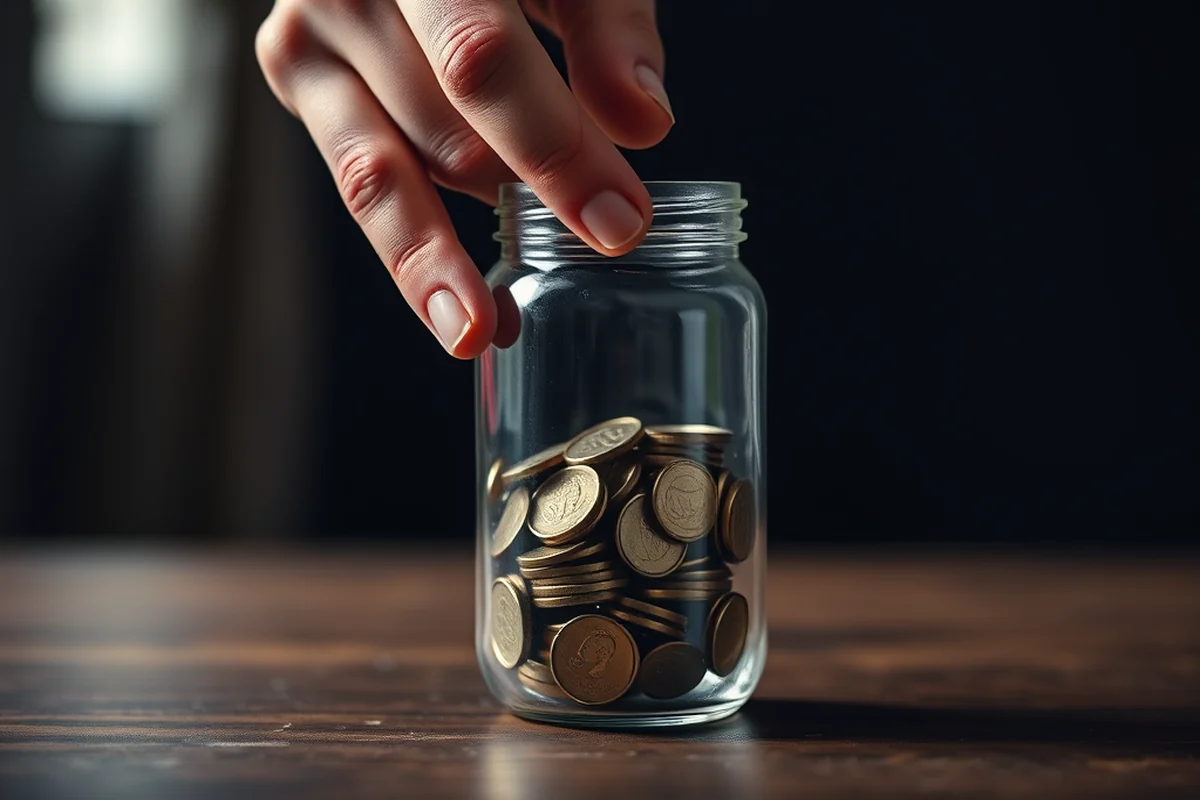
I once tried to save for a 6-month emergency fund immediately after starting my first job, but I quickly ran out of steam. It wasn’t sustainable — I had to pay rent, eat, and cover other expenses. After adjusting my approach, I set a more realistic goal of 3 months’ worth of expenses and focused on automating contributions to make it easier.
If you earn $30k a year, 3 months’ worth of expenses might be around $2,500. If you earn $100k a year, that number could be closer to $6,000 or more. The key is to match your goals with your income and avoid the stress of unrealistic expectations.[2]
Setting smaller, achievable goals can be incredibly motivating. I found that once I reached my first target, it gave me the confidence to build further and increase my emergency fund over time.
Start small, but start now — even a little is better than nothing.
Related: Budget emergency fund building life
Automating Your Emergency Fund Contributions
The hardest part of building an emergency fund is remembering to save. I used to forget to allocate money each month, which slowed my progress. Then I set up an automatic transfer from my checking account to my emergency fund savings account, and I never had to think about it again.
Automating contributions ensures that you save consistently, even if you’re busy or forgetful. For example, if I earn $4,000 a month and decide to save $400 each month, I can set up a direct deposit that transfers that amount automatically every payday.
This strategy works especially well for people with irregular incomes. I’ve used it myself to save a fixed percentage of each paycheck, even when my income fluctuated. Automation removes the mental burden of tracking and makes the process more reliable.
Set up automatic transfers from your paycheck to your emergency fund. Even small, regular contributions add up over time.
“There was a time when I thought an emergency fund was just a line item on a budgeting app — something theoretical, not urgent.”— Rainyready editors
Related: Affordable emergency fund building by income life stage
Adjusting Your Fund as Your Income Changes

I once reached a point where my income doubled, and I didn’t increase my emergency fund. That was a mistake. With more money coming in, it made sense to build a larger fund to cover more expenses and provide more security.
For example, when I got a raise from $30k to $60k a year, I increased my emergency fund from 3 months to 6 months. That meant saving an additional $1,000 a month for 6 months to reach the new target. It was a slow process, but it was worth it.
Adjusting your fund is important because it ensures you’re always prepared for unexpected events, no matter how stable your income is. Whether you’re earning more or less, your emergency fund should reflect your current financial position.
Related: Emergency fund building by income life stage printable
Using Your Fund Wisely and Avoiding Common Pitfalls
I once used my emergency fund to pay for a vacation — a decision I regretted. It took me months to rebuild that fund, and I learned that emergency funds are strictly for unexpected expenses, not discretionary ones.
The key is to have a clear rule: emergency funds are only used for true emergencies, like job loss, medical bills, or urgent home repairs. If you have a non-essential expense, it’s better to use a credit card or other funds instead.
I now keep a list of what qualifies as an emergency expense and review it regularly. This helps me stay on track and avoid the mistake of using my fund for things that can be planned or avoided.
💰 Tight Budget
Build a small, flexible fund with minimal savings, ideal for those with low or irregular income.
🚀 Aggressive Payoff
A high savings rate to reach a 6-month cushion quickly, great for those with stable, higher income.
📈 Irregular Income
A strategy that adapts to fluctuating earnings, focusing on saving a percentage of each paycheck.
👫 Couples
A shared emergency fund that matches combined income and responsibilities, ideal for dual-income households.
🌱 Beginner
A simplified approach to start saving, even with a small amount and no prior experience.
| The mistake | Why it happens | The fix |
|---|---|---|
| Using the fund for non-emergencies | This can drain your safety net when you actually need it. | Create a strict rule: only use the fund for true emergencies like job loss, medical bills, or home repairs. |
| Not adjusting the fund with income changes | You may end up underprepared for unexpected events if your fund doesn’t reflect your current financial status. | Review and adjust your emergency fund every 6 months or when your income or expenses change. |
| Saving too much too fast | This can be unsustainable, especially if you have other financial goals or obligations. | Set realistic, incremental goals and build your fund gradually over time. |
| Keeping the fund in a low-interest account | This means your money isn’t earning any return and could lose value to inflation. | Use a high-yield savings account or a cash management account that earns interest. |
Related: Emergency fund building by income life stage mistakes to avoid
Emergency Fund Building By Income Life Stage Guide
Related: Emergency fund building by income life stage ideas
Leveraging Side Hustles and Passive Income Streams for Emergency Fund Growth
Side hustles and passive income can significantly boost your emergency fund, especially during income growth phases.
During my early career, I realized that my main income wasn't enough to cover unexpected expenses, so I started freelancing on weekends. This extra income allowed me to build my emergency fund faster than I ever could with my salary alone. Side hustles like tutoring, selling handmade goods online, or offering consulting services can be a great way to inject more money into your fund without sacrificing your full-time job. I found that even $200 a month from a side hustle can make a real difference over time, especially when compounded with your main income.
Passive income streams, such as dividend-paying stocks or rental properties, are also valuable tools for growing your emergency fund. I invested a small portion of my savings into a dividend fund, and over two years, the monthly returns added up to about $150. This extra money, while not guaranteed, can provide a buffer when unexpected costs arise. It's important to remember that passive income isn’t a substitute for an emergency fund, but it can complement it. I always allocate any passive income gains directly to my emergency fund, treating it like any other contribution.
The key is to treat side hustles and passive income as part of your overall financial plan, not just as quick fixes. I set a goal to dedicate 10% of my side hustle earnings and 5% of my passive income to my emergency fund each month. This small but consistent habit helped me grow my fund from $2,000 to $6,000 in less than a year. It also taught me the value of diversifying income sources. Whether it’s through a side gig or a passive investment, every little bit adds up, and that’s the real power of combining multiple income streams to build financial resilience.
Common Questions
What if I can’t save 3 months’ worth of expenses right away?
Should I keep my emergency fund in a high-yield savings account?
How do I know if my emergency fund is enough?
Can I use my emergency fund for non-emergency expenses?
References
Cite this guide
Rainyready (2026). Emergency Fund Building By Income Life Stage Guide. https://rainyready.com/emergency-fund-building-by-income-life-stage-guide/
Feel free to cite or share this guide.