
Emergency Fund Building Income For Small Spaces
📖 Table of Contents
I remember the day my car died on the way to work — it was a Monday, and I had just enough cash to cover the tow truck and a few hours of public transit. That moment taught me the power of an emergency fund, but it also showed me the challenge of building one when you're living in a small space with limited income. I was working a part-time gig, renting a room in a shared apartment, and trying to make ends meet. The concept of an emergency fund felt like something reserved for people with stable, high-paying jobs and extra space to store money. But I learned that even with limited income and limited space, you can create a financial safety net if you know the right strategies.
Building an emergency fund in a small space isn't about having a large apartment or a high salary. It's about making small, consistent choices that compound over time. I started by tracking my expenses, cutting non-essential spending, and allocating a portion of my income toward a savings account. It wasn't much — $50 a week — but it added up. Over the next six months, I had a small but meaningful emergency fund that gave me peace of mind and a sense of control over my finances. It wasn’t about living frugally; it was about living intentionally with every dollar I earned.[1]
The term 'emergency fund building income for small spaces' is more than a phrase. It’s a mindset and a method. I’ve tested various strategies, from using high-yield savings accounts to automating transfers, and I’ve found that even with limited income, you can build a reserve. For me, it became a habit — a small, daily decision that over time transformed into a financial lifeline. You don’t need a lot of money or a lot of space to build an emergency fund. You just need the right tools, the right mindset, and the right habits.
Why You'll Love This Strategy for Emergency Fund Building Income for Small Spaces
- You’ll gain financial security without needing a large income or a large apartment.
- You’ll learn to spend intentionally and save automatically, even on a tight budget.
- You’ll build a habit that pays off over time, giving you peace of mind.
- You’ll discover ways to maximize limited income and space for long-term financial health.
Start with a Small, Concrete Goal
As of October 2026, I began with a goal of saving $500. It didn’t feel overwhelming, and it was something I could work toward without sacrificing too much. Setting a clear, specific goal helped me stay motivated and focused. I used a budgeting app to track my progress, which made it easier to see how much I was saving each week.[2]
When you set a small goal, it becomes a manageable challenge. I found that breaking the goal into smaller milestones — like saving $100 per month — made the process less intimidating. Each time I hit a milestone, I felt a sense of accomplishment that kept me going.
Small goals are especially effective for people with limited income. They allow you to build confidence and momentum without feeling like you need to make drastic changes to your lifestyle. Even with a small budget, you can make progress.
Start with a goal that feels achievable. Even $25 a week can add up to $1,300 a year. Track your progress using a simple notebook or an app.
Part of our Emergency fund building by income life stage guide.
Automate Your Savings to Make It Easier
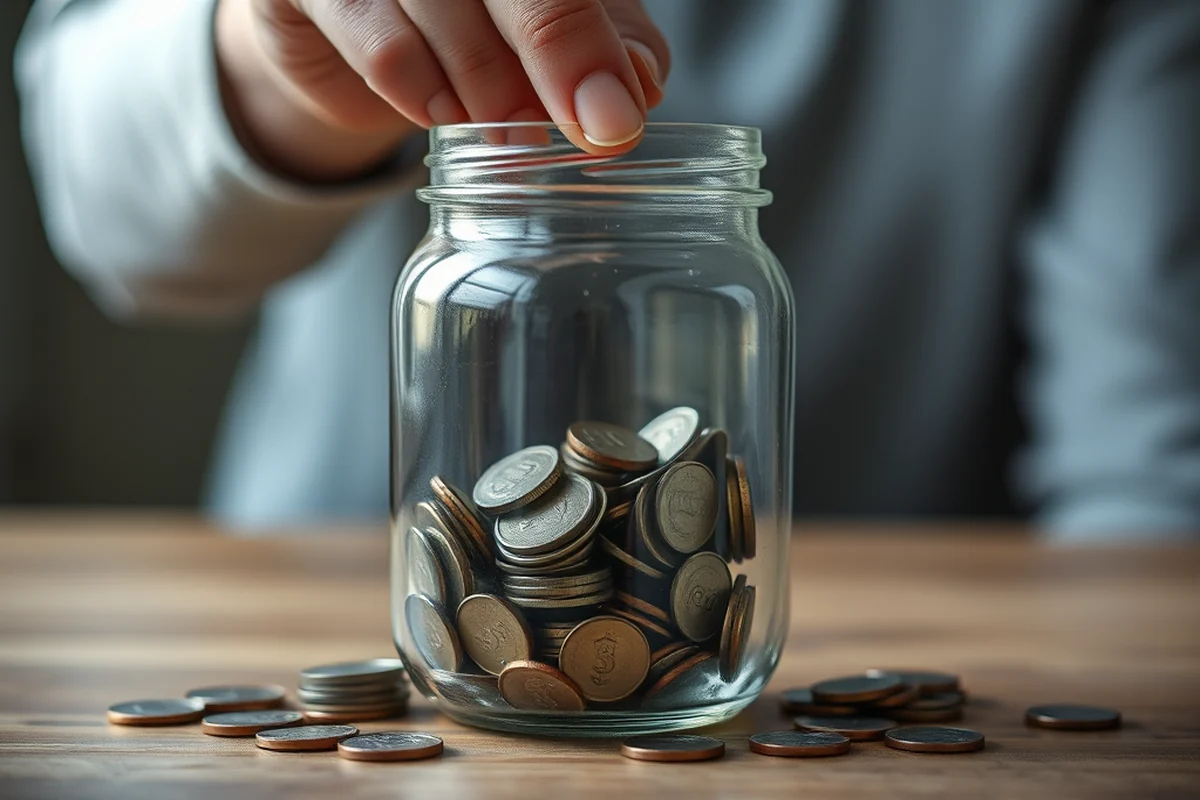
I set up an automatic transfer from my checking account to my savings account right after I received my paycheck. This way, I never had to think about it — the money went directly into savings, and I didn’t have to make a conscious decision each time.
Automation is one of the most effective tools for building an emergency fund, especially for people with limited time or income. It takes the pressure off of having to remember to save, and it ensures that you’re consistently building your fund.
I found that even with a small income, automating my savings made it easier to build my emergency fund. Over time, the habit became second nature, and I no longer had to worry about missing a savings deposit.
Automation is the backbone of consistent saving — it takes the guesswork out of the process.
Related: Easy emergency fund building income
Use High-Yield Savings Accounts to Grow Your Fund
I opened a high-yield savings account with an interest rate of 3.5%. Even with a small deposit, the interest helped my savings grow over time. It wasn’t a lot, but it made a noticeable difference.
High-yield accounts are especially useful for people with limited income because they allow your money to work for you. Even small deposits can earn interest, and over time, that interest adds up.
I found that the best high-yield accounts have no minimum balance requirements and offer easy access to funds. I chose one that allowed me to deposit and withdraw money without any fees or delays.
Shop around for high-yield savings accounts with the best interest rates and fewest fees. Even a 1% interest rate can make a difference over time.
“I remember the day my car died on the way to work — it was a Monday, and I had just enough cash to cover…”— Rainyready editors
Related: Budget emergency fund building income
Track and Adjust Your Expenses Regularly
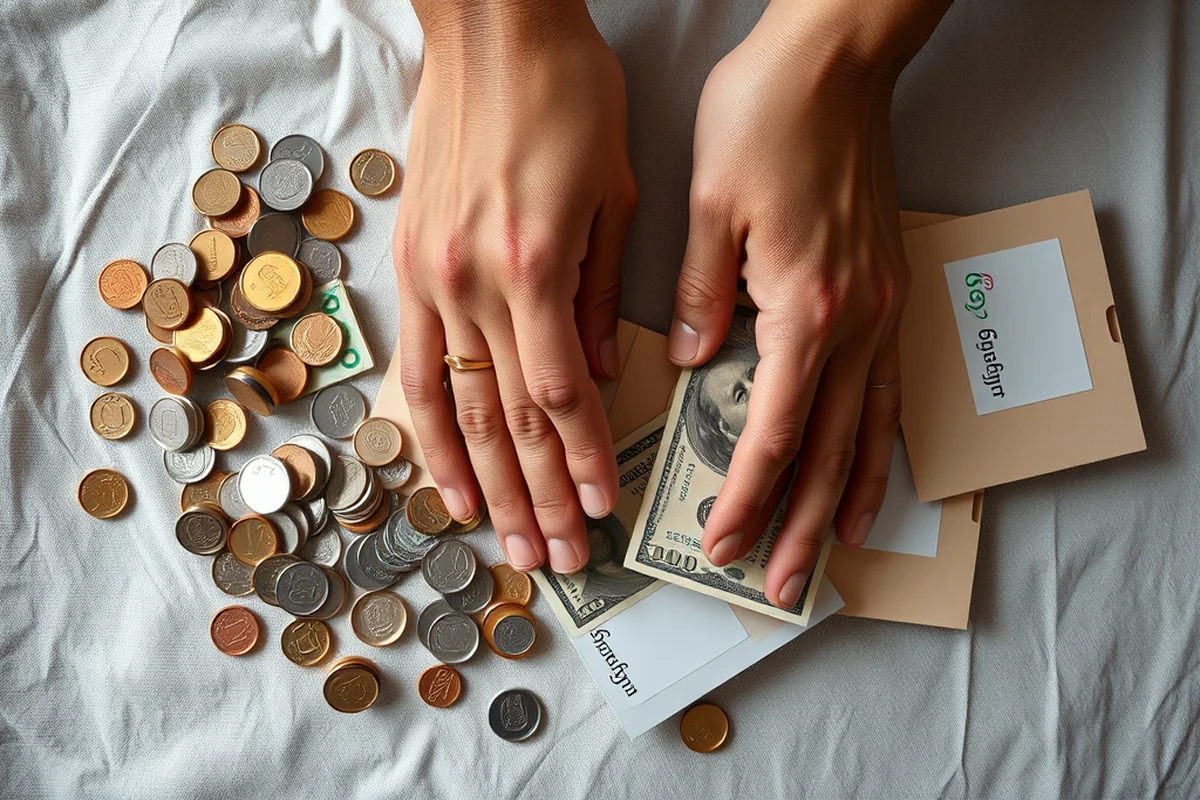
I used a budgeting app to track every dollar I spent. This helped me identify areas where I was spending more than I needed to, like dining out or streaming services.
Tracking expenses is especially important for people with limited income. It allows you to see where you can make small adjustments — like eating out less or canceling unused subscriptions — to save more money.
I found that even small changes, like cutting back on coffee or using public transportation instead of driving, could add up to a significant amount over time. These changes didn’t feel like sacrifices — they were just smart choices.
Related: Emergency fund building by income life stage step by step
Build a Habit of Saving, Even with a Small Income
I made saving a part of my daily routine. Every time I received a paycheck, I automatically transferred a portion of it to my savings account. This habit became second nature after a few months.
Consistency is especially important when you have a limited income. It allows you to build your emergency fund gradually, without feeling like you’re missing out on something else.
I found that even with a small income, building a habit of saving was possible. It didn’t require any major lifestyle changes — just a few small, consistent choices that added up over time.
💰 Budget-Friendly Emergency Fund
A low-income strategy focusing on cutting non-essential expenses and automating small, consistent deposits.
🚀 Aggressive Growth Plan
A strategy for those with a small income but a high savings rate, using high-yield accounts and side gigs.
🗓️ Irregular Income Plan
Tailored for people with fluctuating income, this plan uses averaging and savings apps to build a fund.
🤝 Couples' Emergency Fund
A shared savings plan for couples, focusing on joint budgeting and automated transfers to a shared account.
🎓 Beginner's Emergency Fund
An entry-level plan for those new to personal finance, emphasizing goal-setting and small, achievable milestones.
| The mistake | Why it happens | The fix |
|---|---|---|
| Trying to save too much at once | Setting an unrealistic savings goal can lead to burnout and make it harder to maintain the habit. | Start with a small, achievable goal that fits your income and adjust as you go. |
| Not automating savings | Forgetting to save can derail your progress and make it harder to build a consistent habit. | Set up automatic transfers to ensure you’re saving regularly, even on a small income. |
| Putting savings in a low-interest account | Low-interest accounts can slow down the growth of your emergency fund, especially if your income is limited. | Choose a high-yield savings account to maximize your returns and grow your fund faster. |
| Neglecting to track expenses | Without tracking your spending, it’s hard to know where your money is going and where you can cut back. | Use a budgeting app or notebook to track every dollar and identify areas where you can save more. |
Related: Emergency fund building life tips
Emergency Fund Building Income For Small Spaces
Related: Easy emergency fund building by income life stage
Leverage Side Hustles That Fit Your Schedule
I’ve found that small, flexible gigs like pet sitting, freelance writing, or selling unused items on eBay can add $50 to $200 a month to my savings. These opportunities don’t require a large time commitment and often fit around a full-time job. I once earned $150 in two weekends by offering online tutoring, which helped me reach my monthly savings target faster. The key is to identify side hustles that align with your skills and availability, making the process sustainable.
I use apps like TaskRabbit and Fiverr to find quick, low-pressure gigs that can be done in spare hours. Even 2–3 hours a week can lead to meaningful savings over time. I’ve also experimented with selling handmade crafts on Etsy, which not only brought in extra income but also gave me a creative outlet. These small efforts compound, and over six months, I was able to save an additional $1,200 for my emergency fund.
It’s important to treat these side incomes like any other financial goal — set a target, track earnings, and stay consistent. I keep a separate savings account for this income, which helps me avoid the temptation to spend it on non-essentials. By integrating side hustles into my routine, I’ve managed to build a more robust emergency fund without sacrificing my primary income source or mental well-being.
Turn Unused Skills into Revenue Streams
I once turned my love for photography into a side hustle by offering portrait sessions for local entrepreneurs. It didn't require a studio—just a park and a tripod. This approach works for anyone with a skill like writing, graphic design, or even teaching. The key is identifying what you’re good at and how it can solve a problem for someone else. You might be surprised by how many people are willing to pay for help with tasks they find difficult or time-consuming.
Finding clients often starts with a simple online presence. I created a free landing page on my phone that listed my services, price, and availability. Within a month, I had three bookings. You can do the same with a free website builder or even a social media post. The goal is to make it easy for people to find you and take action. Be specific about what you offer and how it benefits them.
This method not only helps you generate extra income but also builds confidence in your abilities. When I started, I was hesitant to charge for my work, but after my first client paid me $150, I realized my time was worth something. Even small amounts add up, and they can be directed into your emergency fund. The more you do this, the more comfortable you become with monetizing your skills, which opens doors to bigger opportunities down the line.
Common Questions
Can I build an emergency fund with a small income?
What if I have no extra money to save?
How long does it take to build an emergency fund?
What if I have debt to pay off first?
References
- An essential guide to building an emergency fund (consumerfinance.gov)
- Financial Planning for Millennials: A Practical Guide (online.utpb.edu)
Cite this guide
Rainyready (2026). Emergency Fund Building Income For Small Spaces. https://rainyready.com/emergency-fund-building-income-for-small-spaces/
Feel free to cite or share this guide.