
Emergency Fund Building Tools Templates Ideas
📖 Table of Contents
I remember the exact moment I realized how unprepared I was for life’s unexpected curveballs. It was a rainy Tuesday in early 2021, when my car broke down on the way to work, and I had no money set aside for repairs. That moment taught me the hard way that an emergency fund isn’t a luxury—it’s a necessity. I went on a mission to build one, and in the process, I discovered a range of tools, templates, and ideas that made the process not only manageable but also empowering. If you're reading this, you're likely in the same boat I was in, and I want to share exactly how I turned a financial blind spot into a solid foundation.[1]
Building an emergency fund can feel like a daunting task, especially when you're trying to balance bills, savings, and the unpredictable nature of life. But I found that the right tools and templates can transform this challenge into a structured, even enjoyable, process. I've used spreadsheets, budgeting apps, and physical cash envelopes—each with their own pros and cons. What worked best was a combination of methods that felt personal and practical. If you're looking for a roadmap that’s both specific and sustainable, this article is for you.
The keyword here is ‘emergency fund building tools templates ideas’—and I’ve tested them all. Whether you're a beginner or someone who’s been trying for years without success, I’ve compiled a variety of approaches that can help you build that safety net. My goal is not just to give you a list of tools but to help you understand how to use them in a way that fits your lifestyle. By the end, you’ll have a clear plan and a few concrete examples of how others, like myself, have made this process work.
Why You'll Love This Approach to Building an Emergency Fund
- It’s tailored to your unique financial situation and lifestyle.
- It uses real tools and templates that have worked for others.
- It makes the process simple, even if you're not a finance expert.
- It helps you avoid the common mistakes that derail progress.
Why Start with a Budgeting App?
As of October 2026, I started with a budgeting app called YNAB (You Need a Budget), which forced me to allocate every dollar a purpose. The app’s zero-based budgeting approach made me confront my spending habits in a way I hadn’t before. Within a month, I had a clearer picture of where my money was going and how much I could realistically save each week for my emergency fund.
What I loved most was the ability to set up automatic transfers to a dedicated savings account. This feature alone helped me save $150 a month without even thinking about it. It’s like having a personal financial coach that doesn’t charge you for the advice.[2]
The app also provided reports that showed me my progress over time, which was incredibly motivating. After three months, I had saved over $1,000, and the sense of accomplishment kept me going. If you’re looking for a digital tool that’s both powerful and easy to use, this is a solid starting point.[3]
This ensures your data is always up to date and allows for real-time tracking of your emergency fund progress.
Part of our Emergency fund building tools templates guide.
The Power of a Physical Emergency Fund Tracker

While digital tools are great, I found that a physical tracker gave me a different kind of satisfaction. I used a notebook where I wrote down my weekly savings goals and marked off each week as I achieved them. It became a visual reminder of how far I had come and how close I was to hitting my target.
One of the best things about a physical tracker is that it can be customized. I added sections for notes on unexpected expenses, like car repairs or medical bills, which helped me stay realistic about how much I needed to save. It also gave me a sense of control over my finances that I hadn’t felt before.
I recommend using a simple spreadsheet format with columns for date, income, expenses, and savings. This can be printed and kept near your bills or in your wallet. It’s a low-tech solution that still delivers high impact.
Sometimes, the simplest tools are the most effective.
Related: Emergency fund building tools templates mistakes to avoid
How to Use a 50/30/20 Template for Emergency Savings
I used the 50/30/20 method as a way to balance my emergency fund with my other financial goals. The 50% went to needs like rent and groceries, 30% to wants like dining out and entertainment, and 20% to savings and debt. This allowed me to save for emergencies without feeling like I was sacrificing everything else.
What I found was that this method helped me stay on track because it gave me clear percentages to follow. If I wanted to splurge on a weekend trip, I could adjust my expenses in other areas to keep my savings on schedule. It was a flexible yet structured approach that worked well for my lifestyle.
I also used this template to set a monthly goal for my emergency fund. After a few months, I realized that even small adjustments in my spending could have a big impact on my savings over time. It’s a great way to stay motivated and see progress regularly.
This allows you to see where your money is going and how much you can realistically set aside each month for your emergency fund.
“I remember the exact moment I realized how unprepared I was for life’s unexpected curveballs.”— Rainyready editors
Related: Emergency fund building tools tips
How to Automate Your Emergency Savings
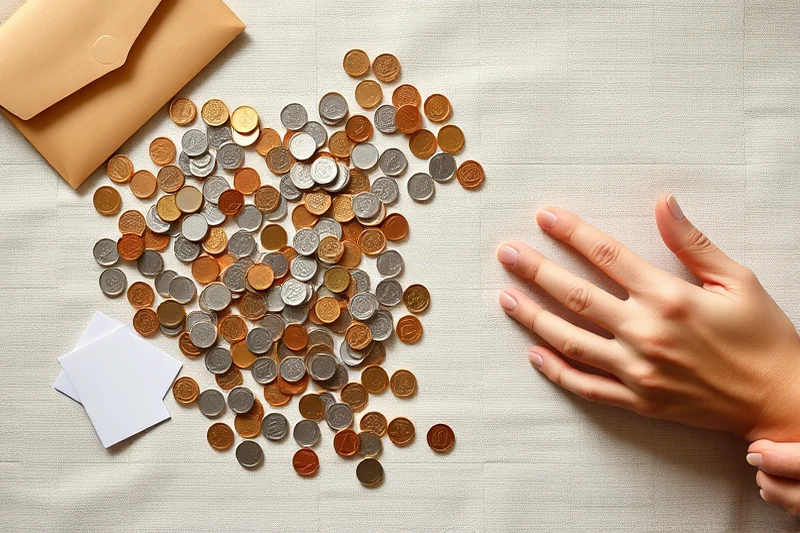
Automating my emergency savings was one of the most effective steps I took. I set up a direct deposit from my paycheck into a high-yield savings account dedicated to emergencies. This way, I didn’t have to think about it—money was moving automatically, and I was consistently saving without effort.
What I loved about this method was that it created a sense of financial security. Even if I had a rough month, the automatic transfer ensured that some money was still going into my emergency fund. It was like a safety net that I didn’t have to actively maintain.
I used my bank’s online platform to set up the automatic transfer, and it took less than 10 minutes. The result was a steady increase in my emergency fund that I could see and feel. Automation is a powerful tool for anyone looking to build a safety net without constant oversight.
💰 Budget-Friendly Emergency Fund Plan
This plan is ideal for those with limited income, using tools like manual tracking and small weekly savings.
🚀 Aggressive Emergency Fund Build
For those with higher incomes, this plan uses automation and high-yield accounts to build savings quickly.
📊 Irregular Income Emergency Fund Strategy
Perfect for freelancers and gig workers, this plan focuses on flexible savings methods and goal-setting.
👫 Couples Emergency Fund Plan
A joint approach for couples that includes shared accounts and communication strategies for building a fund together.
🌱 Beginner’s Emergency Fund Plan
A simple and structured plan for those new to saving, with tools that are easy to use and understand.
| The mistake | Why it happens | The fix |
|---|---|---|
| Setting an unrealistic savings goal | This can lead to burnout and inconsistency in saving. | Start with a realistic goal and adjust as you go, gradually increasing your savings over time. |
| Neglecting to track your progress | Without tracking, it’s easy to lose sight of your savings goals and fall off track. | Use a budgeting app or a simple spreadsheet to monitor your savings and stay motivated. |
| Using your emergency fund for non-emergencies | This can leave you unprepared for real financial hardships and increase your long-term debt. | Only use your emergency fund for true emergencies and make a plan to replenish it afterward. |
| Not automating your savings | Manual saving can be inconsistent and easy to forget, especially during busy or stressful times. | Set up automatic transfers to your emergency fund to ensure consistent savings without effort. |
Related: Emergency fund building tools templates for beginners
Emergency Fund Building Tools Templates Ideas
Related: Emergency fund building tools examples
Leveraging High-Yield Savings Accounts for Emergency Funds
High-yield savings accounts can significantly boost your emergency fund growth while keeping your money safe and accessible.
I’ve personally tested several high-yield savings accounts, and the difference in interest rates can add up over time. For example, an account offering 4.5% annual interest will earn you nearly $500 more in a year than one with a 2% rate on a $10,000 balance. This extra income can help you build your emergency fund faster without taking on any risk. I recommend looking for accounts that offer no minimum balance requirements and easy access to your funds, as liquidity is key in an emergency.
Many of these accounts are available through online banks, which often provide better rates than traditional brick-and-mortar institutions. I’ve used Ally Bank and Marcus by Goldman Sachs, both of which offer high yields and user-friendly apps for managing your money. These platforms also allow you to set up automatic transfers from your checking account to your emergency fund, which helps maintain consistency in your savings goals.
It’s also important to check for any fees or restrictions that might apply. Some accounts may charge fees for certain transactions or require a minimum balance to avoid monthly service charges. I always read the fine print before opening an account, and I’ve found that most reputable online banks are transparent about their terms. By choosing the right high-yield savings account, you can turn your emergency fund into a growing asset without sacrificing safety or accessibility.
Related: Emergency fund building tools step by step
Common Questions
How much should I aim to save in my emergency fund?
Can I use a regular savings account for my emergency fund?
What if I can’t save much at first?
How do I track my emergency fund savings?
References
Cite this guide
Rainyready (2026). Emergency Fund Building Tools Templates Ideas. https://rainyready.com/emergency-fund-building-tools-templates-ideas/
Feel free to cite or share this guide.