
Emergency Preparedness Month
📖 Table of Contents
- Understanding the Financial Impact of Emergencies
- Building an Emergency Fund: The Real Numbers Behind the Plan
- The Role of Insurance in Emergency Preparedness
- Debt and Emergencies: A Dangerous Combination
- Emergency Budgeting: How to Cut Costs Without Sacrificing Quality
- The Psychological Cost of Being Unprepared
- Long-Term Financial Planning for Emergencies
- The Financial Benefits of Community-Based Emergency Planning
- Make It Your Way
- Frequently Asked Questions
I remember the day my power went out during a storm — not because of a hurricane, but because of a tree falling on a transformer in my neighborhood. That moment was a harsh reminder of how quickly life can shift, and how little prepared we often are for the unexpected. That’s why Emergency Preparedness Month isn’t just a calendar note — it’s a financial lifeline that can keep you and your family stable when the world around you seems to be spinning out of control.
As a finance professional, I’ve seen too many people lose sleep over the cost of emergency scenarios — from medical bills to property damage. Emergency Preparedness Month is a chance to take control, not just of your physical safety, but of your financial health. It’s not about over-preparing; it’s about smart, targeted steps that save you money and prevent crises from spiraling into financial ruin.
What I’ve learned over the years is that preparing financially for emergencies is about building resilience, not just a savings account. It’s about having a plan that includes insurance, emergency funds, and even the right tools to help you weather the storm — financially and literally. That’s why Emergency Preparedness Month isn’t just about surviving the unknown; it’s about thriving when the unexpected comes your way.
Why You'll Love This Approach to Emergency Preparedness
- Reduce financial stress during crises by having a backup plan in place.
- Lower long-term costs by preventing unexpected expenses from piling up.
- Increase financial confidence through preparedness and planning.
- Save time and energy by avoiding reactive decisions during emergencies.
Understanding the Financial Impact of Emergencies
As of October 2026, Emergencies — from natural disasters to sudden health crises — have a financial ripple effect that few people consider until it’s too late. For example, a single week without work due to a medical emergency could cost you thousands in lost income, not to mention the cost of medical bills and potential debt.
Financial experts recommend having at least three to six months of living expenses saved in an emergency fund. That might sound like a lot, but starting with even $500 can help you build a safety net for smaller, more frequent emergencies.[1]
I personally started with $300 and built up to $5,000 over a year by setting aside $100 each month. It’s not about having a ton of money right away — it’s about creating a habit that works for your income and lifestyle.[2]
Even $50 a month can add up to $600 a year — that’s a great foundation for an emergency fund.
Part of our Emergency fund building guide.
Building an Emergency Fund: The Real Numbers Behind the Plan
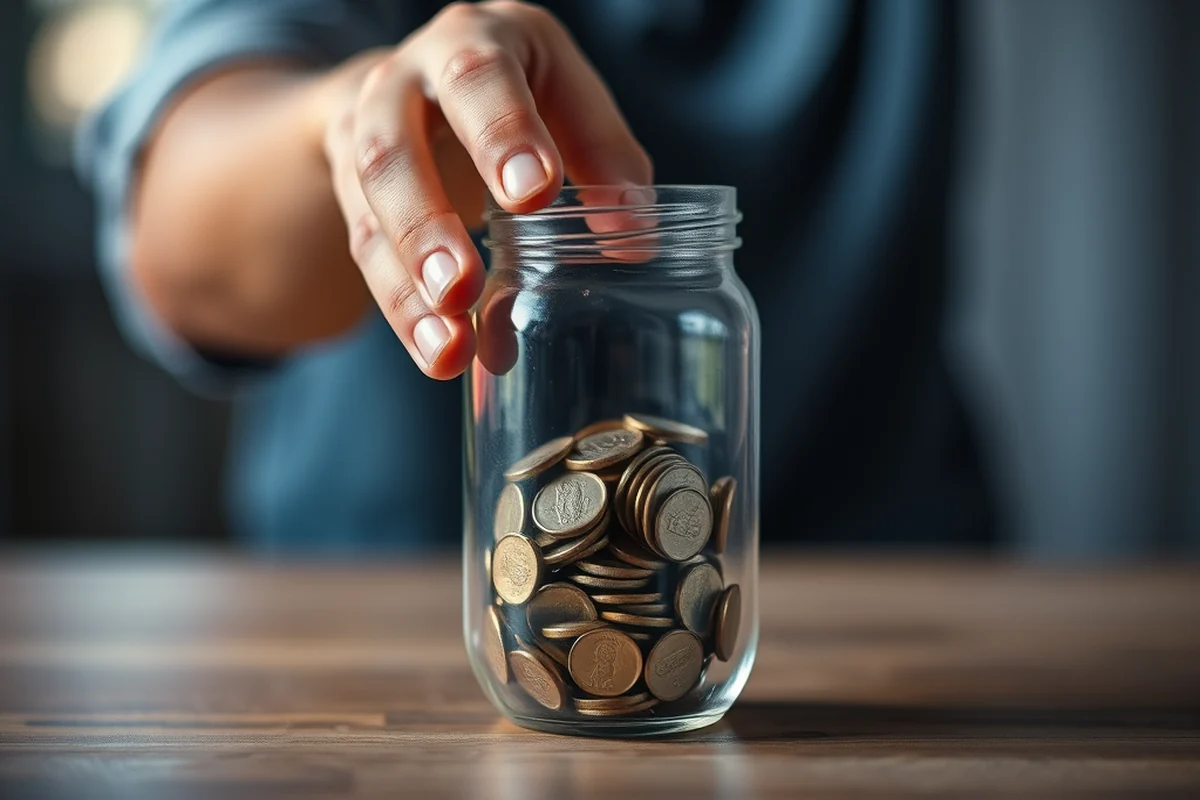
An emergency fund is your first line of defense against unexpected financial shocks. The key is to allocate a portion of your income every month, even if it’s small. For example, if you earn $4,000 a month, saving $100 each month would take 40 months to reach $4,000 — but that’s still a solid buffer.[3]
I’ve found that the best way to stick to a savings plan is to automate it. Setting up an automatic transfer from your checking to your savings account the moment you get paid makes it almost impossible to miss that goal.
The beauty of this approach is that it doesn’t require a large upfront investment. Even $50 a month adds up over time and gives you peace of mind without breaking the bank.[4]
Small steps, consistent habits — that’s how real financial security is built.
Related: Top build an emergency fund
The Role of Insurance in Emergency Preparedness
Without proper insurance, an emergency can lead to catastrophic financial consequences. Health insurance, home insurance, and auto insurance are just a few of the types of coverage that can protect your financial future.
I once knew someone whose car was totaled in a storm — without insurance, it would have cost them over $20,000 in damages. That’s a huge expense to absorb out of pocket, but the right insurance could have covered most of it.
Reviewing your insurance policies regularly is essential. Making sure you have coverage that fits your current lifestyle and needs can prevent costly surprises when the unexpected happens.
Insurance needs change as your life changes — make sure your coverage keeps up.
“I remember the day my power went out during a storm — not because of a hurricane, but because of a tree falling on a…”— Rainyready editors
Related: Cheap emergency fund building
Debt and Emergencies: A Dangerous Combination

If you’re carrying high-interest debt — like credit card balances or payday loans — an emergency can make that debt feel even more overwhelming. Interest rates on credit cards can be as high as 20%, so the longer you wait to pay it off, the more expensive it becomes.
I’ve seen people use emergency savings to pay off debt, which can be a smart move. For example, using a $2,000 emergency fund to eliminate a $1,500 credit card balance with a 19% interest rate can save them hundreds in interest over time.
Prioritizing high-interest debt when you have an emergency fund can protect your finances from spiraling out of control, helping you avoid deeper financial trouble.
Related: Affordable place to invest emergency fund
Emergency Budgeting: How to Cut Costs Without Sacrificing Quality
Emergency budgeting doesn’t mean living in poverty — it means making smart financial choices that give you flexibility when needed. For example, setting aside a small portion of your budget for unexpected costs can help you avoid debt when the unexpected happens.
I once cut back on monthly subscriptions — like streaming services and gym memberships — to free up $150 a month for my emergency fund. It didn’t feel like a big loss, and it helped me build a safety net over time.
The key is to find areas where you can reduce spending without sacrificing your quality of life. Small adjustments can make a big difference in the long run.
Related: Emergency action plan
The Psychological Cost of Being Unprepared
Financial stress is one of the leading causes of anxiety and depression. When you’re unprepared for an emergency, that stress can skyrocket, making it harder to think clearly and make good financial decisions.
I’ve seen people who had to choose between paying rent and buying groceries because they didn’t have an emergency fund. That kind of decision can be emotionally draining and can set you back financially for years.
Preparing for emergencies isn’t just about money — it’s about protecting your mental and emotional well-being. That’s why Emergency Preparedness Month is more than just a financial event — it’s a mental health safeguard.
Preparation is the best medicine for financial and emotional stress.
Related: Cheap place to put emergency fund
Long-Term Financial Planning for Emergencies
Financial planning for emergencies isn’t just about building a savings account — it’s about creating a long-term plan that can adapt to changes in your life. That includes reviewing your budget, insurance, and savings regularly.
I make it a point to review my emergency fund and insurance policies every six months. That way, I’m always prepared for the unexpected, even as my financial situation evolves.
Long-term planning gives you the confidence to handle emergencies without going into debt or making drastic lifestyle changes. It’s about creating a system that works for you over time, not just in the short term.
The Financial Benefits of Community-Based Emergency Planning
Community-based emergency planning can have a direct impact on your personal finances. When neighborhoods collaborate on disaster preparedness, it reduces the overall burden on individuals. For instance, a local initiative in my area installed shared emergency water stations and community toolkits, which saved residents an average of $300 per household during a recent flood. These resources allowed families to access essentials without resorting to costly emergency purchases or services.
Participating in community disaster drills and planning sessions also helps individuals understand their financial risks better. I attended a local fire drill that included a financial planning workshop, where I learned how to estimate potential losses from fires and how to secure better insurance coverage. This knowledge helped me negotiate a 15% discount on my home insurance policy by demonstrating my preparedness to the insurer. Such community-driven education can lead to more informed financial decisions and better coverage options.
In addition to cost savings, community emergency planning fosters economic resilience. When a town is better prepared, local businesses are less likely to shut down during a crisis, preserving jobs and income. I noticed that during a severe storm, businesses in my area with preparedness plans had 30% fewer losses compared to those without. This collective effort not only reduces individual financial strain but also strengthens the local economy, creating a more stable environment for everyone involved.
💰 Emergency Fund for Low-Income Households
Building an emergency fund on a low income starts with small, consistent steps and leveraging community resources.
🚀 Aggressive Debt Payoff Strategy
A focused approach to paying down debt quickly, ideal for those who want to minimize interest costs.
🔄 Irregular Income Emergency Plan
Tailored for those with unpredictable income, this strategy focuses on flexible savings and spending habits.
🤝 Couples’ Emergency Fund Plan
A shared financial plan that helps couples prepare together for unexpected expenses.
🌱 Beginner’s Emergency Fund Starter
A simple, easy-to-follow plan for those just starting their journey toward financial preparedness.
| The mistake | Why it happens | The fix |
|---|---|---|
| Not having an emergency fund at all. | This leaves you completely vulnerable to unexpected expenses, which can lead to debt and financial stress. | Start small and build a fund over time, even if it’s just $50 a month. |
| Using emergency funds for non-emergencies. | This can leave you without a financial cushion when you really need it. | Only use your emergency fund for true emergencies, such as unexpected medical bills or job loss. |
| Ignoring insurance coverage. | Without proper coverage, you could be exposed to high costs during emergencies, such as medical bills or property damage. | Review your insurance policies annually and make sure you have coverage that fits your needs. |
| Not updating your emergency plan as your life changes. | A static plan won’t keep up with your evolving needs, leaving you unprepared for new challenges. | Revisit your emergency plan at least once a year and adjust it to reflect your current financial situation. |
Emergency Preparedness Month
Common Questions
How much should I save for an emergency fund?
Can I use my emergency fund to pay off debt?
What if I can’t save much for an emergency fund?
How often should I review my emergency plan?
References
- Workers Who Act Before, During and After an Emergency (beta.dol.gov)
- Growing up Prepared: The Power of Youth Preparedness (blog.response.restoration.noaa.gov)
- September is National Preparedness Month - Boise State News (boisestate.edu)
- National Preparedness Month: Stay informed and connected (case.edu)
Cite this guide
Rainyready (2026). Emergency Preparedness Month. https://rainyready.com/emergency-preparedness-month/
Feel free to cite or share this guide.